Politics
Israel Election 2026: Why October 7 Defines the Netanyahu Vote
Israel votes on October 27 in its first election since the Hamas attack. Here is how October 7 shapes the Netanyahu-Eisenkot contest.
Policy, parliament and political developments — explained, not spun.
Israel votes on October 27 in its first election since the Hamas attack. Here is how October 7 shapes the Netanyahu-Eisenkot contest.
Why protests are growing around Election Commission and voter-roll issues in India, what demonstrators demand and what happens next.
Brazil votes on October 4 in a close presidential election led by Lula and Flavio Bolsonaro. Here is how the first round and results process work.
Civil-society groups and students protested in Delhi demanding the chief election commissioner's resignation over disputed voter-roll revisions.
California and six other states have sued the Trump administration, challenging about $810 million in federal funds targeted through a late rescission request.
Aleksandar Vučić resigned seven months before his term ended. Here is the election timetable, interim president and why the move matters.
Israel and the Republic of Ireland meet in Debrecen today amid political pressure and neutral-venue arrangements. Here is what has officially changed.
Moldova's 60-day energy and water state of emergency begins on September 26. Here is what parliament approved, why it matters and what changes.
China says President Xi Jinping will visit the United States from September 23 to 25 for talks with President Donald Trump.
The next US midterm elections are in November 2026. Here is what is being elected, why every House seat matters and how the Senate cycle works.
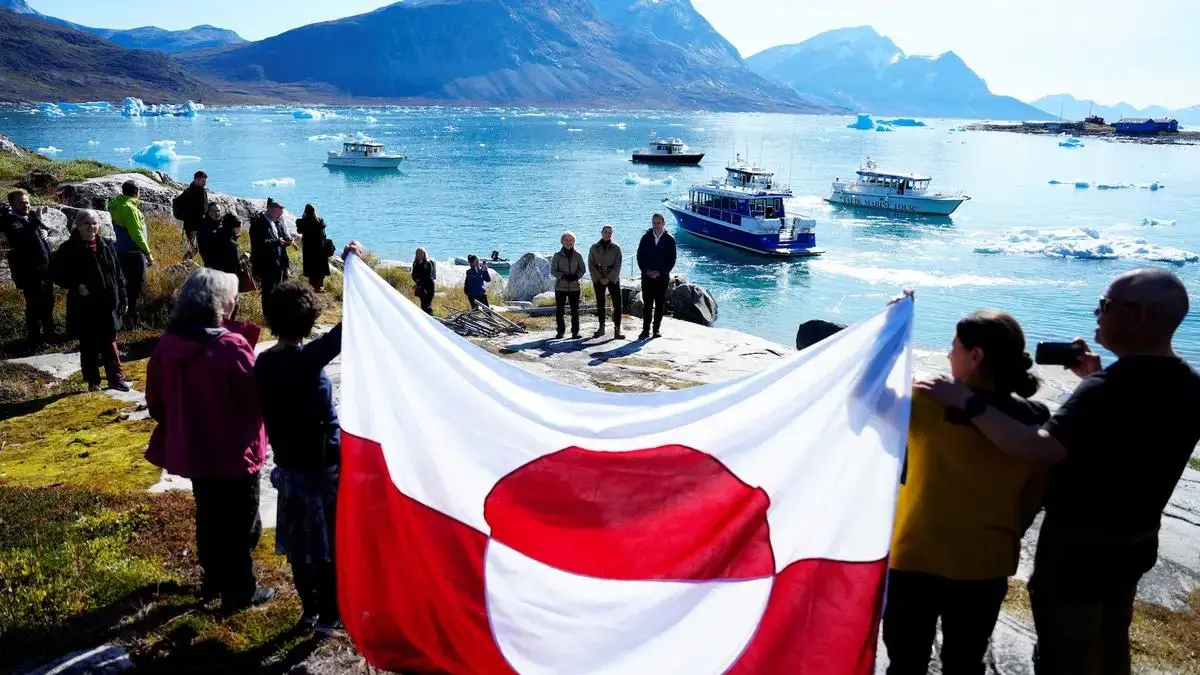
Denmark and Greenland say a planned agreement with the United States will strengthen Arctic security without compromising Greenland’s sovereignty, though key terms remain undisclosed.
Montana voters will decide whether to restrict corporate election spending, a state ballot test with potential national political consequences.
Dong Jun called for restraint and cooperation at Beijing's Xiangshan Forum as China-Japan and Taiwan tensions remain high.
The US Supreme Court declined to let a new Postal Service mail-ballot procedure take effect before the 2026 midterm elections.
The BRICS New Delhi Declaration backs UN reform and a greater role for India and Brazil. Understand what that support changes and what still requires agreement.
A federal judge blocked a Trump administration essay question asking civil-service applicants how they would advance the president's policies.
Donald Trump has repeated a pledge for $5,000 payments if Republicans retain Congress, prompting questions about cost, authority and inflation.
India hosts the BRICS summit in New Delhi on September 12-13 as the Iran conflict, oil disruption and internal divisions test the expanded bloc.
The US Senate is due to hold a procedural vote on the Clarity Act on September 15 as crypto advocates and community banks pressure lawmakers.
Twenty states and Washington, DC filed two lawsuits challenging Trump administration rules on habitat harm, threatened species and critical habitat.
Serbia will hold a snap parliamentary election on October 25 after President Aleksandar Vucic dissolved parliament and pursued a return as prime minister.
India's fifth PM-SETU steering committee approved SIPs worth ₹735.70 crore for nine ITI clusters, taking cumulative programme investment to ₹2,171 crore.
Australia's draft digital duty-of-care law would make social platforms offer users a choice between personalised recommendations and a following-only feed.
A Senate bill can have majority support and still fail to advance. Here is how the filibuster, cloture and major exceptions actually work.
The EU is preparing a substantial Greenland investment package covering critical minerals, satellites and renewable energy amid US pressure.
Brazil traditionally opens the country statements and the United States follows as host, but rank, preference and geography also shape the UN speaker list.
Most UN General Assembly resolutions are recommendations, not laws imposed on member states—but they can still carry political and legal influence.
The 81st UN General Assembly session opens on September 8, with world leaders gathering for the general debate from September 22 to 28.
The 2026 US federal general election is November 3, but registration and mail-ballot rules vary by state. Here is how voters can prepare using official sources.
The UN General Assembly's 81st session opens September 8, with world leaders speaking from September 22. Here are the key UNGA 2026 dates.
Brazil votes on October 4, with a possible runoff on October 25. Here is how valid votes, compulsory voting and the two-round system work.
Philippines Vice President Sara Duterte posted bail after an arrest order was issued over allegations that she threatened President Ferdinand Marcos Jr. and two others.
Sweden votes on September 13 in national, regional and municipal elections. Here is how voting and the preliminary result process work.
Saxony-Anhalt votes in a closely watched state election with the AfD leading surveys. Here is what is at stake and when results are expected.
The UN General Assembly endorsed the Equal Earth projection after a campaign led by African states. Here is why Africa looks different and what the vote changes.
Three UK government taskforces will focus on household costs, essential services and community renewal. Here is what the plan promises and what remains unclear.
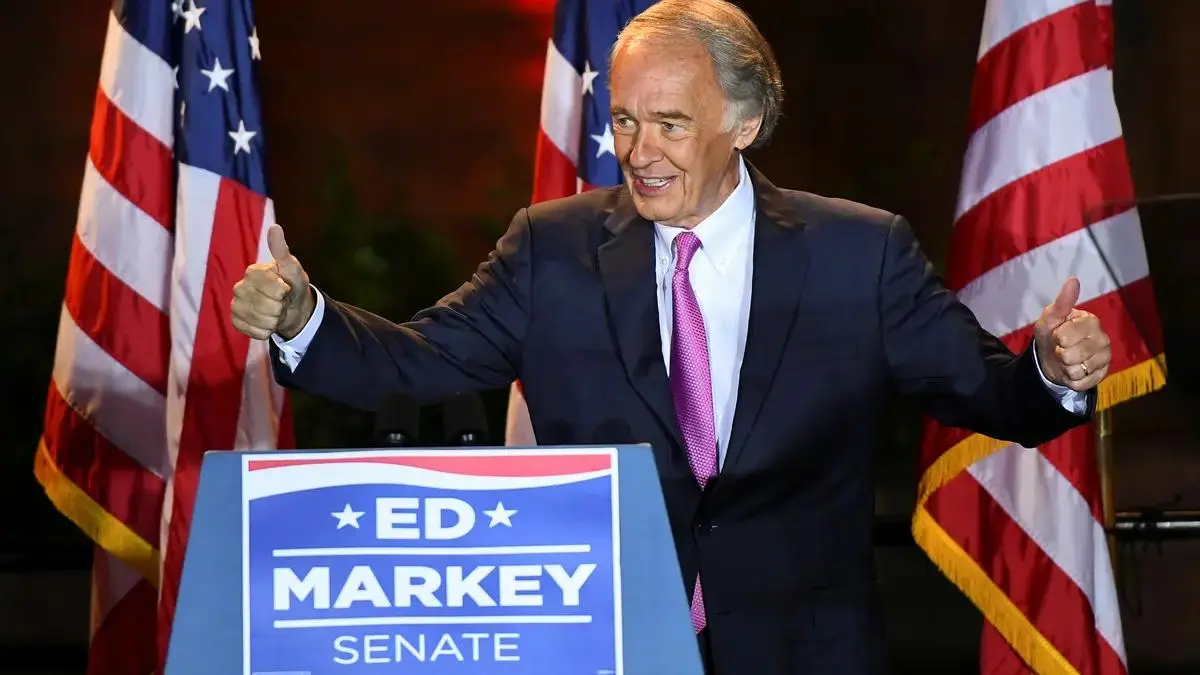
Senator Ed Markey defeated Representative Seth Moulton in a Massachusetts primary framed as a test of age, progressive support and generational change.
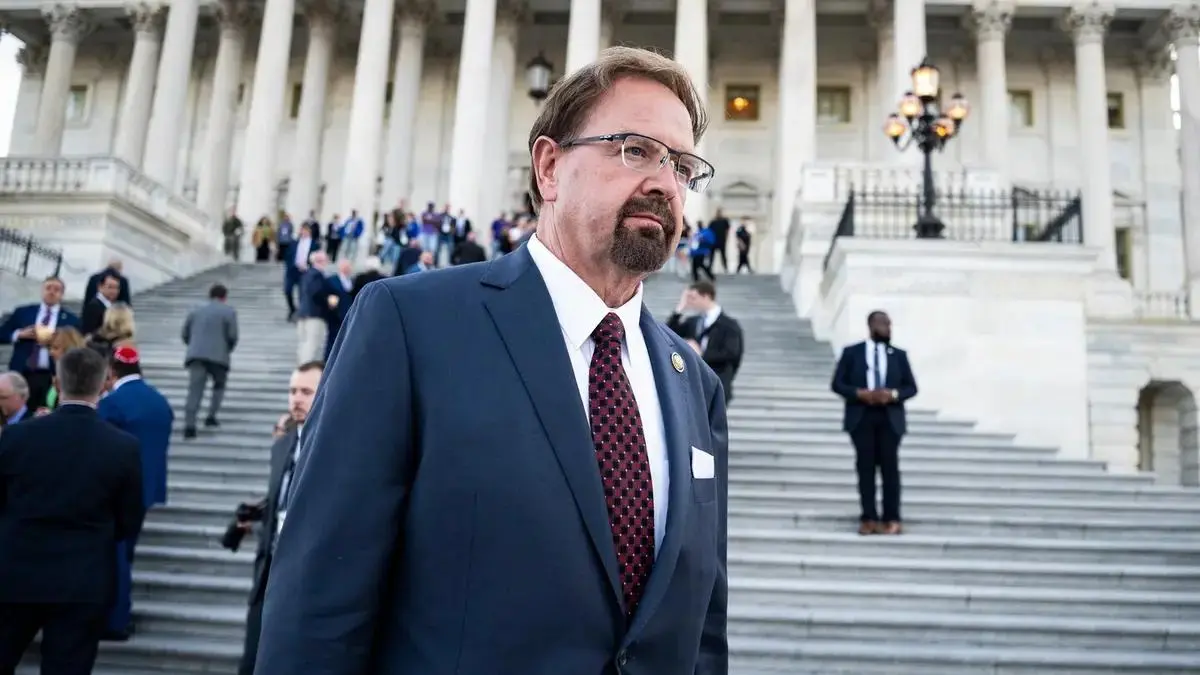
The US House voted 413-2 to censure Republican Representative Chuck Edwards after an ethics investigation into his conduct toward female staffers.
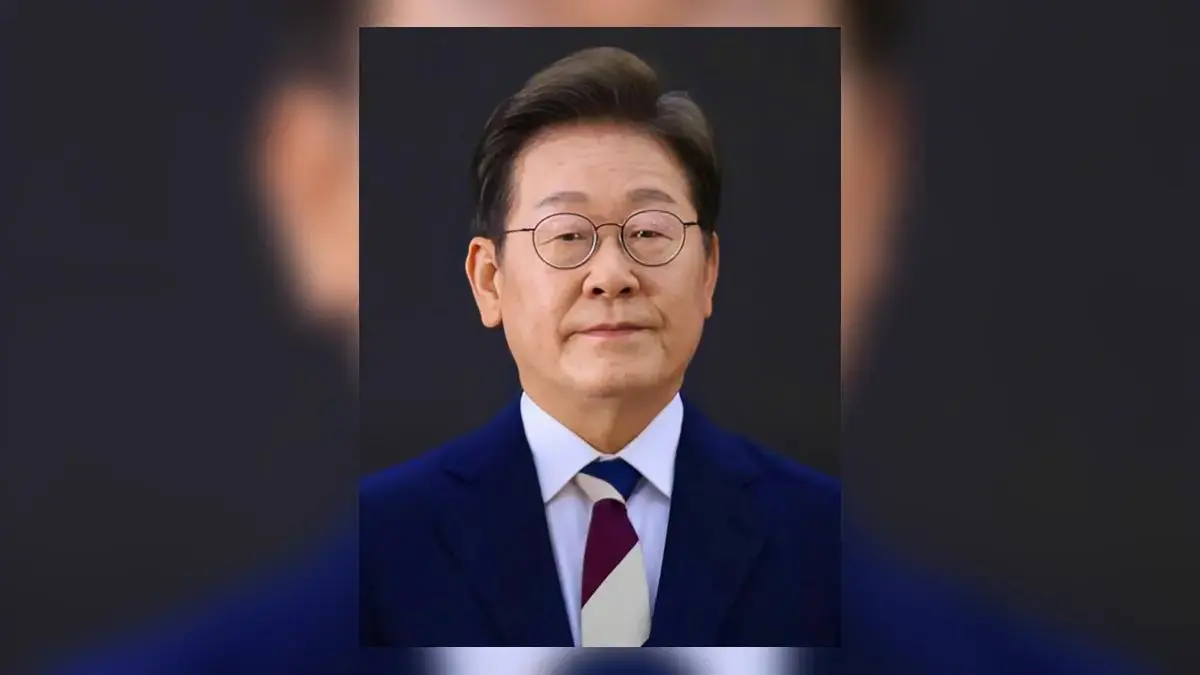
President Lee Jae Myung says confrontation on the Korean Peninsula should give way to a peace system based on cooperation.
The House approved a bipartisan stopgap bill to fund the US government through December 11. Here is what still has to happen and what the measure changes.
A Reuters/Ipsos poll puts Donald Trump's approval at 33% for a third consecutive survey and shows Democrats more enthusiastic ahead of the November midterms.
Roberto Vannacci's Futuro Nazionale has reached 7.5% in an Italian poll, overtaking Forza Italia. Here is what the party stands for and why the rise matters.
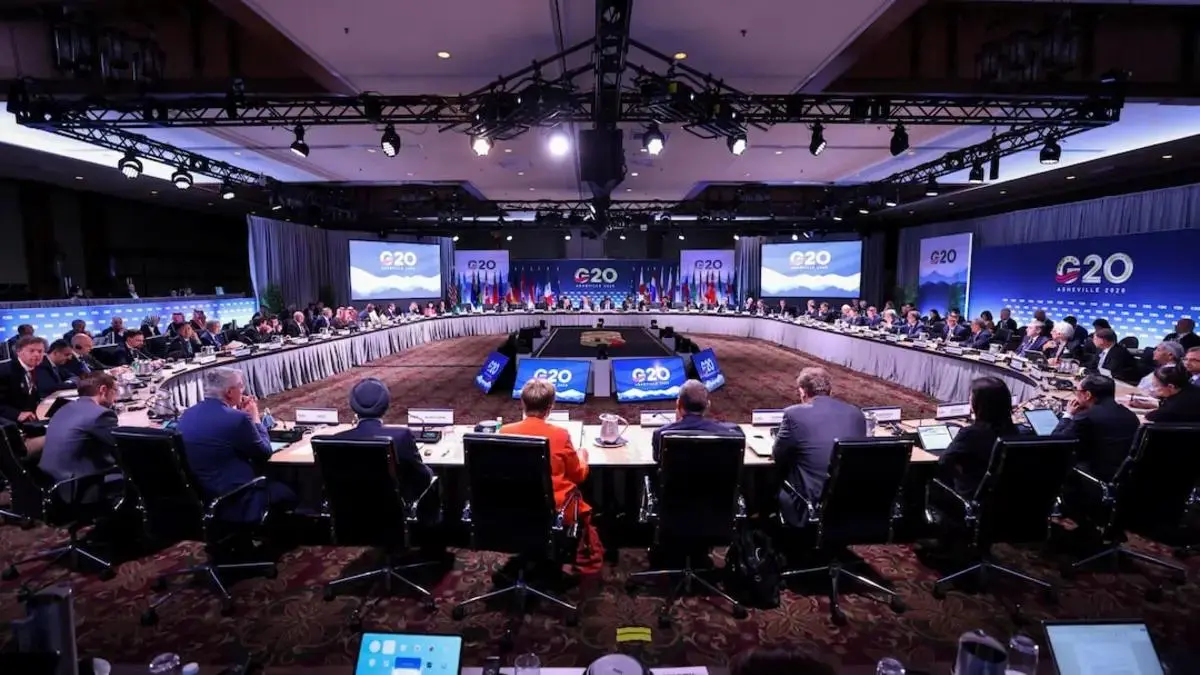
Russia's finance minister returned to an in-person G20 meeting in Asheville as the US barred several journalists, creating political friction around talks meant to focus on growth, debt and trade.
Redistricting updates electoral boundaries as populations change. Gerrymandering draws those lines to create political advantage. Here is how packing and cracking work.
A snap election sends voters to the polls before a parliament's expected end. The power to call one—and its consequences—varies by country.
Estonia's parliament votes for a new president on September 2. Here is who can vote, the two-thirds threshold and what happens if no candidate wins.
Iceland is voting on whether to restart European Union accession talks. It is not yet a vote to join the EU—here is what a Yes or No result would mean.
A funding deadline does not close every federal service. Here is what stops, what continues and why shutdown effects grow over time.
No party has won a majority—but the country is not automatically headed back to the polls. Here is how a hung parliament works.
Every US House seat and roughly one-third of the Senate are on the ballot in November 2026. Here is what voters are choosing.
A federal judge has again paused Donald Trump's mail-voting order as the 2026 midterms approach. Here is the legal dispute and timeline.
India's Tenth Schedule can disqualify MPs and MLAs who leave a party or defy its whip. Learn the merger exception and Speaker's role.
The Lok Sabha Secretariat has issued notices to 20 rebel TMC MPs after disqualification petitions were raised under the anti-defection framework.
Only 40 members of the current Lok Sabha are aged 40 or below, highlighting the gap between India’s young population and political representation.
Congress leader Mallikarjun Kharge has called for the Lok Sabha’s 543-seat strength to remain frozen for 25 years amid the delimitation debate.
Darline Graham won the GOP runoff for South Carolina's Senate seat and will face Democrat Annie Andrews in November's special election.
Oklahoma held its August 25 primary runoff. Mike Mazzei won the GOP governor runoff and N'Kiyla Thomas won the Democratic Senate runoff.
Constituencies, first-past-the-post voting, and how a party can win the most seats without winning the most votes nationwide — India's election system explained.
The EU AI Act is moving from headline politics to practical enforcement. Here is what the 2026 rules mean for AI companies, businesses and everyday users.
Redrawing constituency boundaries sounds technical, but it can shift how much political power an entire state holds in Parliament — delimitation explained plainly.