US President Donald Trump says the United States has reached a sweeping oil agreement with Venezuela involving fields with the potential for 65 billion barrels. Venezuela's acting government has also described a plan covering 17 fields and major outside investment.
The announcement is globally significant, but the public details remain limited. “Control,” proven reserves, production capacity and immediate supply are not the same thing.
What has been announced?
Trump said US officials negotiated an agreement giving American interests majority control over more than 65 billion barrels of proven oil reserves. Venezuela's acting President Delcy Rodríguez said the arrangement involves development of 17 fields and could attract $100 billion in investment.
According to Associated Press reporting, the White House has released little additional detail beyond the president's announcement. That leaves important legal, commercial and operational questions unanswered.
Does the US now own 65 billion barrels?
Not necessarily. Oil in the ground is not the same as oil produced, transported and sold. A development agreement can grant operating rights, revenue shares or management control without transferring sovereign ownership of the resource.
The exact contract structure, participating companies, duration, tax terms and dispute process will determine what “control” means in practice.
Why 65 billion barrels cannot reach markets quickly
Venezuela has enormous oil resources, but years of underinvestment, sanctions, equipment problems and infrastructure decline have limited production.
Developing 17 fields would require drilling, pipelines, power, storage, skilled workers, export terminals and financing. Heavy Venezuelan crude may also need specialised processing or blending.
Even a legally secure deal would take time to produce substantial new supply.
Why the agreement matters now
Energy markets are already sensitive to disruption around the Strait of Hormuz and wider Middle East conflict. The United States has also drawn down its Strategic Petroleum Reserve.
A credible long-term Venezuelan supply plan could diversify sources and improve energy security. It cannot instantly replace disrupted Gulf flows.
Could the deal lower petrol prices?
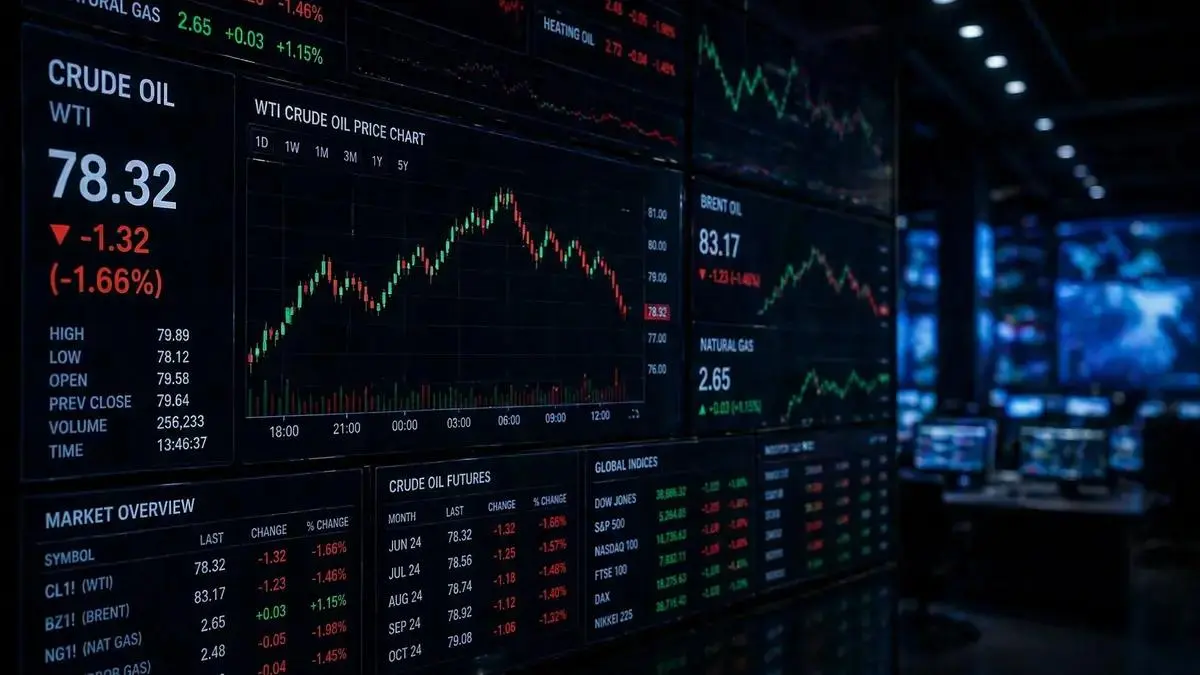
Petrol prices respond to global crude supply, refinery capacity, taxes, distribution and market expectations. An announcement can influence sentiment, but durable price relief normally requires actual additional production or reduced disruption elsewhere.
If the agreement brings investment and steadily raises output, it could affect prices over time. The size of that effect would depend on how much new oil reaches the market and what happens to demand and other producers.
Sanctions and legal risk
Any large US-linked project must address existing sanctions, licenses and ownership claims. Companies will want assurance that contracts survive political change and that payments can move through the financial system.
Venezuela will also face domestic questions about sovereignty, revenue sharing and transparency. A deal described differently by each government may create uncertainty until the full text is available.
What to watch next
The most important next steps are publication of formal documents, identification of participating companies, sanctions licenses, investment schedules and production targets.
Readers should be cautious with calculations that multiply 65 billion barrels by today's oil price. That produces a theoretical gross value, not profit. Extraction costs, time, taxes, investment and the fact that not every reserve is produced all change the economics.
The bottom line
The US and Venezuelan governments describe a major agreement involving 17 fields and 65 billion barrels of potential reserves. The scale is striking, but the commercial structure and implementation timetable are still unclear.
For energy-market context, read how the Strait of Hormuz affects oil prices and our analysis of the global economy, AI and the energy shock. Follow more international coverage in the World section.