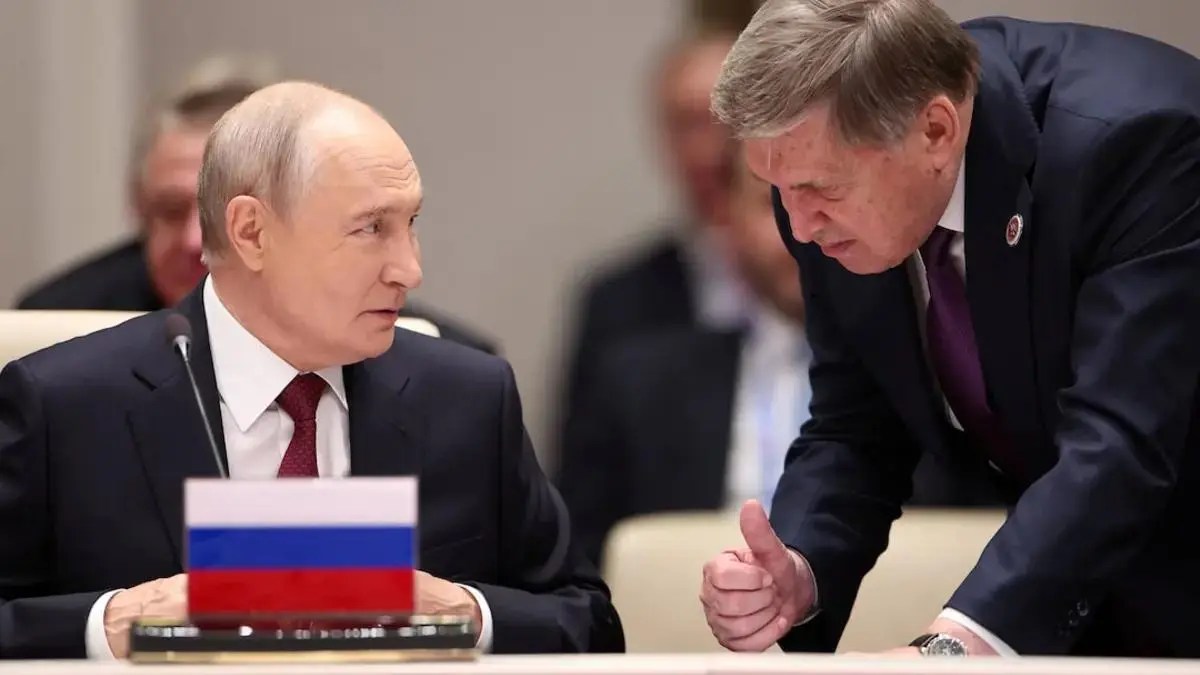
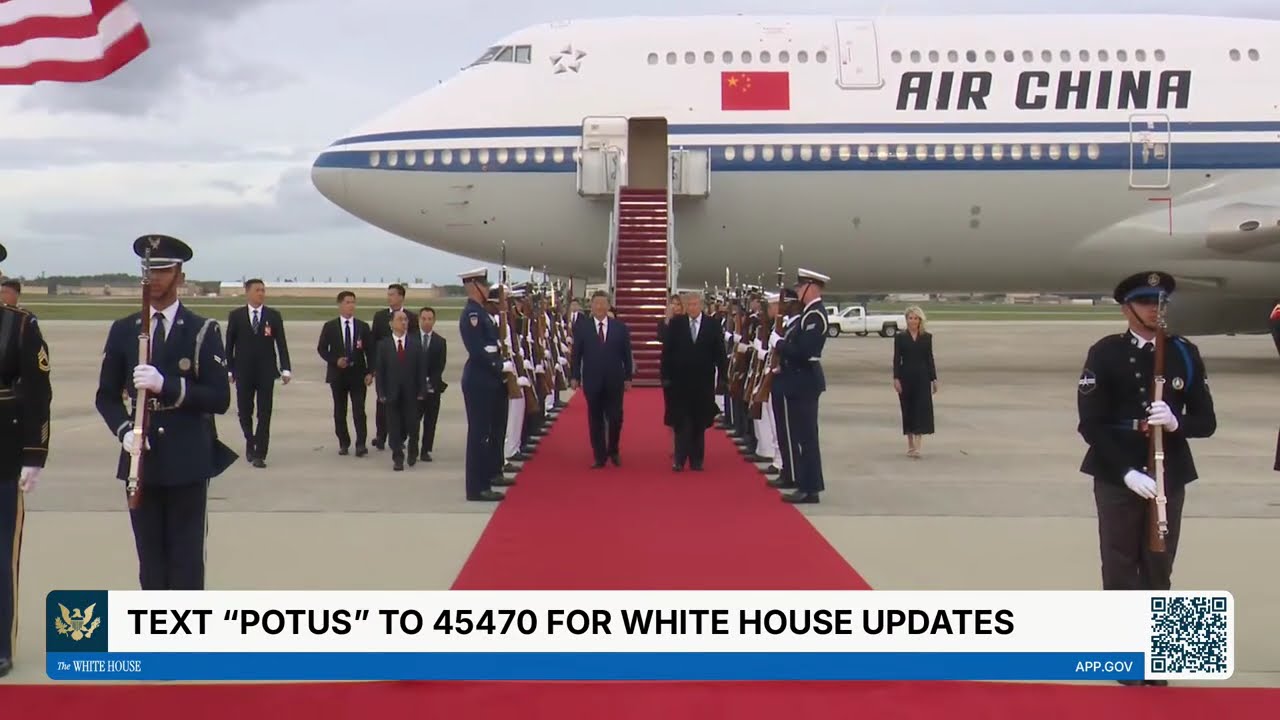
US President Donald Trump says he has reached an agreement to obtain diesel from Russia, a striking reversal of Washington's recent effort to limit Moscow's energy revenue over the war in Ukraine. The announcement comes as high fuel prices create domestic political pressure ahead of the US midterm elections.
The Associated Press report describes the move as a break from years of US pressure on Russia. The most important unanswered details are the volume, price, delivery route, duration and sanctions mechanism.
Why diesel is politically sensitive
Diesel affects far more than private motorists. Trucks, farm equipment, construction machinery and some industrial systems depend on it, so a shortage or price spike can feed into the cost of food and goods.
Governments can release stocks, adjust rules or encourage imports, but each option has limits. Buying Russian supply may ease a near-term constraint while creating a larger foreign-policy contradiction.
What makes this a reversal
Since Russia's full-scale invasion of Ukraine, the United States and allies have used sanctions, price caps and import restrictions to reduce Moscow's ability to earn from energy exports. A US purchase of Russian diesel would move in the opposite direction unless structured through a narrow exception or intermediary arrangement.
The legal path matters. An announcement by a president does not by itself explain how sanctions, shipping insurance, payment processing and customs rules will be handled. Those details determine whether fuel can actually arrive and whether the transaction is temporary or a broader policy change.
Possible effects on fuel prices
Additional supply can reduce price pressure if it reaches the market in meaningful volume. But retail prices also depend on crude costs, refinery capacity, inventories, regional transport and taxes.
The deal therefore cannot guarantee a particular price at the pump. Traders may respond to expectations before physical deliveries occur, and prices can reverse if the agreement stalls or another supply disruption appears.
Consequences for Ukraine and Europe
Ukraine is likely to judge the decision by whether it increases Russian state revenue and weakens allied unity. European governments may also worry that an exception for US fuel needs makes it harder to defend continued restrictions elsewhere.
Russia gains more than sales income if the deal signals political acceptance of renewed energy trade. Washington could try to limit that benefit through price terms or narrow volumes, but the message will remain contested.
For ongoing coverage, see MatchUpWorld's world news and business section for changes in energy and markets.
What to verify next
Watch for written statements from the White House, US Treasury and Energy Department; licence or sanctions guidance; named suppliers; shipping dates; and contract volumes. Until those documents appear, claims about the scale of the agreement should be treated cautiously.
It is also useful to separate the political claim from the market outcome. A deal may be announced, legally authorised and still deliver too little fuel to change national prices.
The larger policy test
The decision places two goals in direct tension: lowering domestic fuel costs and maintaining pressure on Russia. Every government balances energy security against foreign policy, but this case is unusually visible because the previous policy was built around restricting the same seller.
The durable significance will depend on whether this is a one-off purchase during a price shock or the start of a wider reset in US-Russia economic relations.
Sources: Associated Press, US Treasury Russia sanctions, US Energy Information Administration diesel data.