The United States and China have extended their trade truce by two months, moving the deadline to January 10, 2027 and creating more space for negotiations around a high-profile meeting between US President Donald Trump and Chinese President Xi Jinping.
The extension lowers the immediate risk of another tariff escalation, but it does not settle the difficult issues between the world's two largest economies. Negotiators still face disputes involving technology controls, rare-earth supplies, agricultural purchases and the wider rules governing strategic trade.
US-China trade truce key facts
- The current tariff truce is now set to expire on January 10, 2027.
- Senior US and Chinese economic officials are continuing negotiations before Trump-Xi talks.
- Technology, rare earths and agricultural purchases remain central issues.
- An extension pauses escalation; it is not a permanent trade agreement.
- Businesses still face uncertainty about what happens after the new deadline.
What the extension changes
A truce gives both sides time to negotiate without immediately imposing the harsher measures that have repeatedly unsettled financial markets and supply chains. For importers, exporters and manufacturers, the extra two months reduce the near-term risk of a sudden change in tariff costs.
That breathing room can be valuable for companies planning holiday shipments, semiconductor orders and 2027 production. It can also help agricultural exporters assess whether Chinese purchase commitments will translate into actual demand.
However, the new date should not be mistaken for a final resolution. Unless negotiators reach a broader agreement or approve another extension, the same pressure returns in January.
What negotiators still need to resolve
The agenda goes beyond headline tariff rates. Washington wants progress on market access, strategic technology and purchases of US goods. Beijing is focused on restrictions affecting advanced chips and access to key technologies, while its position in rare-earth processing gives it leverage over industries ranging from electric vehicles to defence equipment.
These issues are connected. Semiconductor controls can trigger responses involving critical minerals; agricultural commitments can become bargaining tools in technology negotiations. That makes a narrow deal easier to announce than a durable framework that businesses can rely on.
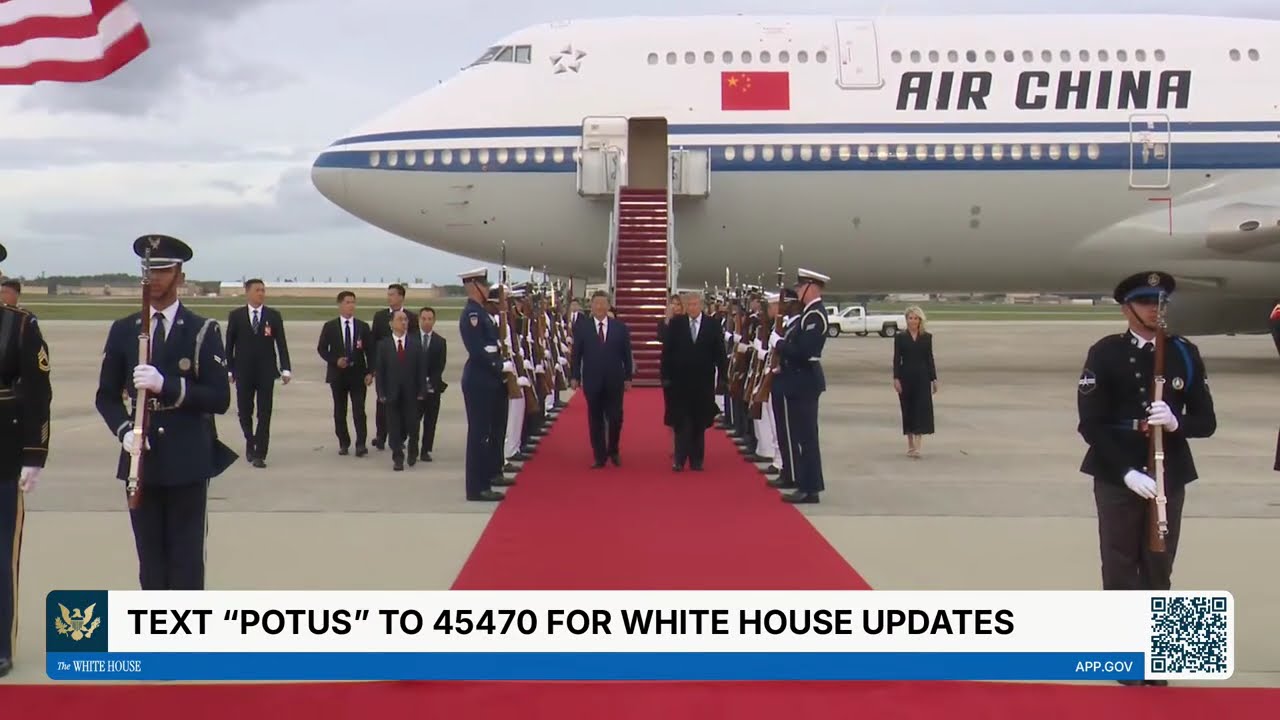
The White House has also published official material around President Xi's visit, including the arrival-ceremony video. The ceremonial setting may attract global attention, but the market impact will depend on written commitments and implementation details.
Why the truce matters worldwide
US-China trade decisions reach far beyond the two countries. Tariffs can change component prices for electronics assembled in Southeast Asia, alter commodity flows from Latin America and affect shipping demand across Europe and the Pacific.
For consumers, the consequences may appear in the price or availability of phones, computers, vehicles and household goods. For investors, the talks influence currencies, chipmakers, mining companies and global manufacturers. Smaller economies also have to decide whether new supply-chain investment represents a long-term shift or a temporary response to tariff uncertainty.
The political timetable adds another layer. Readers following US domestic politics can review our 2026 US midterm elections guide for the pressures shaping Washington's economic decisions.
What happens next
The most useful signals will be concrete rather than ceremonial: a joint statement, a detailed tariff schedule, verified purchase commitments, changes to export controls or a mechanism for enforcing the agreement.
Markets will also watch whether negotiators describe the January date as a hard deadline or another checkpoint. Until a signed framework appears, companies are likely to keep diversifying suppliers and maintaining contingency plans.
Frequently asked questions
When does the US-China trade truce expire?
The extended deadline is January 10, 2027.
Does the extension remove existing tariffs?
No. It pauses the threat of a new escalation under the current arrangement; it does not automatically eliminate all existing tariffs or controls.
What could affect global consumers most?
Changes involving electronics, semiconductors, critical minerals and shipping costs could flow quickly into global product prices and availability.