What the Strait of Hormuz is
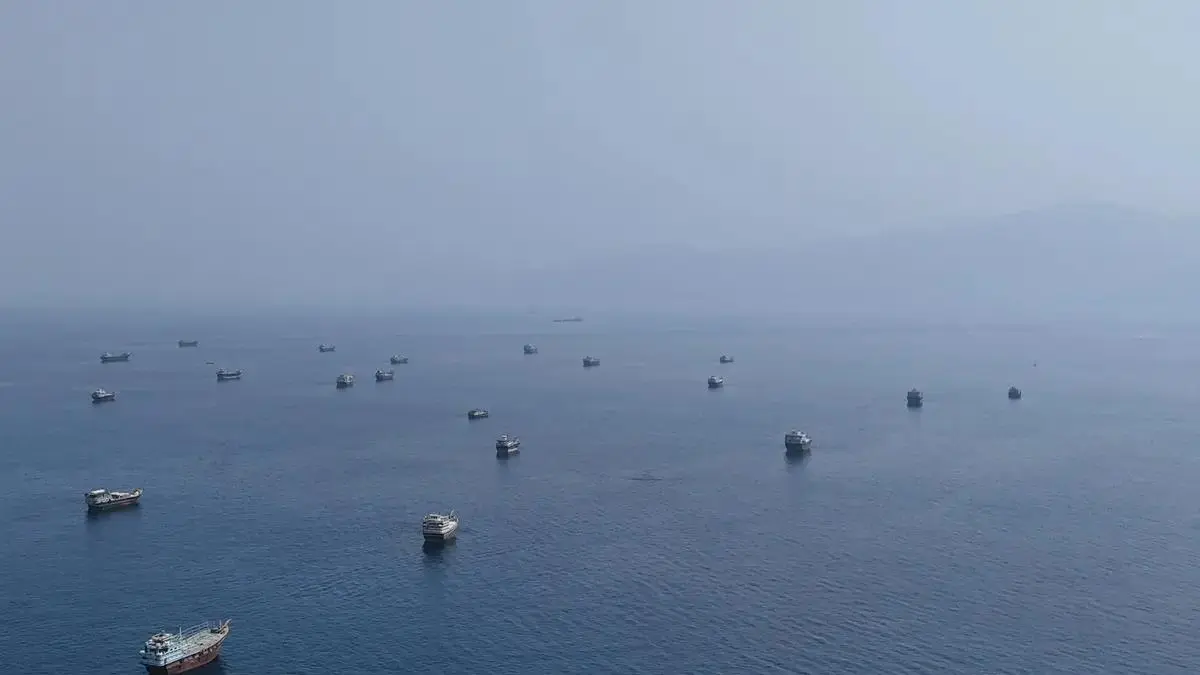
The Strait of Hormuz is a narrow waterway between the Persian Gulf and the Gulf of Oman. It is the main sea route connecting major oil-producing states in the Gulf with customers around the world. Tankers use it to carry crude oil, refined fuels and liquefied natural gas to Asia, Europe and other markets.
Its importance comes from geography. Ships leaving several large energy exporters have limited practical alternatives. Pipelines can move some supply around the waterway, but they cannot replace the full capacity and flexibility of maritime trade.
Why markets react before a disruption happens
Oil is traded in a global market, so prices reflect expectations as well as barrels already delivered. If traders believe shipping could become slower, more expensive or less safe, they may price in a risk premium immediately. That can happen even when the physical supply of oil has not yet changed.
Insurance is part of the calculation. A higher security risk can increase insurance and freight costs, making each cargo more expensive. Buyers may also seek alternative supplies, which pushes up prices in other regions.
What happens to fuel prices
Crude oil is only one part of the price motorists see at a petrol station. Refining, transport, taxes, currency movements and local competition all matter. Even so, a sustained rise in crude prices usually creates pressure across petrol, diesel, aviation fuel and products made with petrochemicals.
The effect is not identical everywhere. Countries that import most of their energy are more exposed to higher international prices. Oil producers may receive more export revenue, although domestic fuel prices and wider economic conditions can still be complicated.
Can oil bypass the Strait?
Some exports can be redirected through pipelines, storage terminals or different ports. The available capacity depends on the country, the grade of crude and the destination. These routes also take time and may have their own bottlenecks.
That is why a bypass is better understood as a pressure-release valve than a perfect replacement. It can reduce the impact of a disruption without making the underlying geographic risk disappear.
What readers should watch
The most useful indicators are actual shipping delays, insurance costs, tanker movements, official statements and inventory data. Social-media claims about a closure or shortage can move attention quickly, but they are not proof of a physical supply disruption.
The Strait of Hormuz matters because modern energy systems are interconnected. A local security problem can influence transport costs, inflation expectations and household budgets thousands of kilometres away.
For more international explainers, explore our News section.
Frequently asked questions
Why is the Strait of Hormuz important?
It is a major maritime route for oil, fuel and gas exports from the Persian Gulf to global customers.
Does every rumour about the Strait raise petrol prices?
Not necessarily. Markets may react to risk expectations, but sustained price changes depend on actual supply, shipping and demand conditions.
Can pipelines replace the waterway?
Pipelines can reroute part of the flow, but available capacity cannot fully replace maritime shipments.