A war that outlasted the original promises
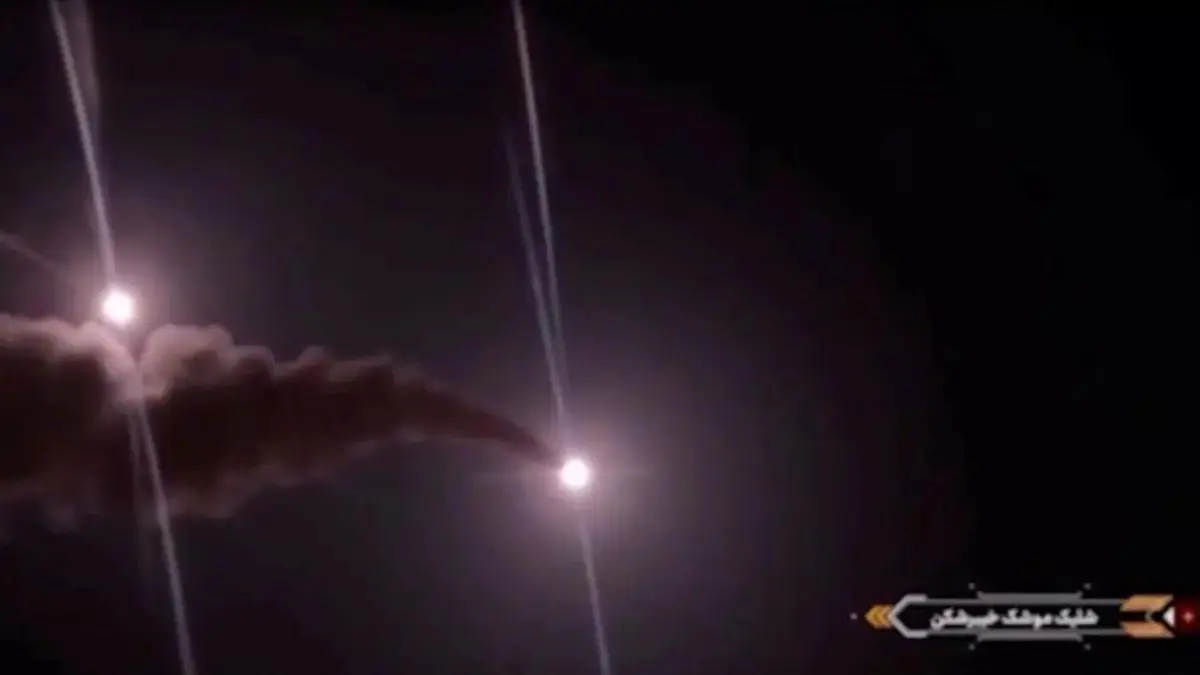
The US-Israel war with Iran reached its six-month mark on August 28, 2026, without a clearly defined path to a ceasefire or political settlement. The conflict began in late February and was initially described by President Donald Trump as a short operation. It has instead become a prolonged military and economic confrontation.
Direct fighting has eased at points, but the strategic pressure continues. US forces have enforced restrictions around Iranian ports and the Strait of Hormuz, while Washington has promised a new financial campaign against Tehran. Iran, already shaped by decades of sanctions, argues that another round of pressure will not force capitulation.
The result is an unstable middle ground: the war is no longer producing the same daily intensity as its opening phase, yet the mechanisms that could restart escalation remain active.
Why the Strait of Hormuz matters
The Strait of Hormuz connects the Persian Gulf with the Gulf of Oman and the Arabian Sea. It is narrow, heavily monitored and central to global oil and liquefied natural gas shipments. Disruption can lift insurance costs and energy prices even when most cargoes still pass.
Military enforcement around ports raises several risks. A misidentified vessel, drone incident or seizure can produce retaliation. Commercial operators may reroute, delay departures or demand higher freight rates. Those costs can reach consumers through fuel, transport and goods prices.
The strait is also political leverage. Iran can threaten shipping without permanently closing the route, while the United States can apply pressure through naval presence and port restrictions. Both sides know that a full shutdown would damage regional exporters and the wider world economy.
What “economic D-Day” could mean
The Trump administration has presented tighter financial measures as a way to reduce Iran's ability to fund military operations. Possible tools include stricter enforcement against oil buyers, shipping networks, banks and companies accused of helping Tehran evade sanctions.
Sanctions can cut revenue and complicate imports, but they rarely operate cleanly. Iran has built alternative trade channels over decades, while intermediaries use ship-to-ship transfers, opaque ownership and non-dollar payments. Stronger enforcement may raise costs without fully stopping trade.
Economic pressure also affects civilians through inflation, currency weakness and restricted access to goods. That does not automatically translate into political change. Governments under sanctions often prioritise security spending and shift the burden to households.
The military constraint
A long campaign consumes precision weapons, air-defence resources, maintenance capacity and personnel. Reports that US stockpiles of some key munitions are under pressure make duration a strategic issue, not only a political one.
Force rotations affect other regions. A US carrier returning from an extended Middle East deployment illustrates how one theatre can influence readiness in Asia and elsewhere. Allies also have to decide how much operational, intelligence and diplomatic support they can sustain.
Iran faces its own constraints, including damage to infrastructure, lost personnel and economic isolation. But an adversary does not need equal capacity to impose continuing costs through missiles, drones, proxies, cyber operations or maritime disruption.
What a realistic endgame requires
A durable end would need more than a temporary reduction in strikes. Negotiators would have to address security guarantees, sanctions, nuclear questions, shipping and the status of detained or missing personnel. Each issue can become leverage in the others.
Three broad paths remain possible:
- Managed de-escalation: indirect talks produce limits on attacks and shipping pressure.
- Prolonged containment: lower-intensity conflict continues alongside sanctions.
- Renewed escalation: a major strike or maritime incident triggers a wider exchange.
Forecasting which path will prevail is difficult because leaders may interpret the same pause differently. One side may see restraint; the other may see preparation.
Global consequences to watch
Energy prices, tanker insurance, airline routes and regional military deployments provide early signals. Diplomatic activity by Gulf states, European governments and international organisations can show whether a negotiating channel is becoming credible.
For continuing coverage, visit our World section. Our detailed explainer on how the Strait of Hormuz affects oil prices covers the energy mechanism.
This analysis reflects confirmed reporting available on August 29, 2026. Conflict conditions can change quickly.