US President Donald Trump has described the latest American strikes on Iran as justified and warned that any Iranian retaliation would trigger a larger US response.
In a Truth Social post on September 1, Trump said US forces were attacking Iranian targets near the Strait of Hormuz. He linked the action to what he called Iran's failed attempt to place sea mines in the waterway and to eight missiles fired at a US military base in Jordan.
The statement came during a new escalation in a conflict that has repeatedly shifted between military action and pauses. Independent details about the targets and damage were still limited when the initial report was published.
What Trump said the strikes were responding to
Trump identified two alleged triggers:
- An Iranian attempt to add sea mines to the Strait of Hormuz.
- Eight missiles fired at a US military base in Jordan.
He said the response was justified and threatened bigger strikes if Tehran retaliated.
These are claims from the US president's account of the operation. Further confirmation from the Pentagon, Iranian authorities and independent observers is necessary to establish the sequence, targets and outcome fully.
Why sea mines in Hormuz are so serious
The Strait of Hormuz is one of the world's most important energy routes. It connects the Persian Gulf with the Gulf of Oman and the Arabian Sea.
Sea mines can threaten commercial vessels even without sinking a ship. A suspected mining operation may force slower transit, naval clearance work, higher insurance costs and changes to shipping routes.
The danger is not limited to crude oil. Tankers carry refined fuels and liquefied natural gas, while container and support vessels also use the region.
That is why even an unsuccessful attempt can produce a military response and immediate market concern.
The Jordan base claim
Trump also cited eight Iranian missiles aimed at a US base in Jordan. The initial Reuters report did not provide a casualty figure or detailed assessment of damage.
US installations in the region are potential targets during escalation because they support aircraft, logistics and defensive operations. An attack on American personnel creates strong pressure for retaliation, especially if casualties occur.
Until official battle-damage information is released, reports should avoid assuming that every missile reached its target or that the base escaped damage.
Why the warning raises escalation risk
Deterrence statements are designed to discourage an opponent from acting. They can also create a cycle in which each side believes it must respond to preserve credibility.
Iran may view US strikes on its territory or assets as requiring retaliation. Washington may then treat that response as proof that more strikes are necessary. The result can be rapid escalation even when neither side initially seeks a wider war.
The location adds another layer of danger. Military activity near Hormuz can affect ships belonging to countries not directly involved in the conflict.
What remains unconfirmed
The first breaking report leaves several key questions unanswered:
- Which Iranian targets were struck?
- Were there casualties?
- What evidence supports the sea-mine allegation?
- Where did the Iranian missiles land?
- Will Iran respond militarily or through allied groups?
Readers should expect details to change as the Pentagon, Tehran and regional governments issue statements.
Possible impact on oil and travel
Oil prices often react quickly to threats around Hormuz because traders must price the risk of disrupted supply. The size and duration of any move depend on whether shipping is actually blocked and whether producers can compensate.
Airlines may also adjust routes if regional airspace becomes dangerous. Travellers connecting through Middle Eastern hubs should check their carrier directly rather than relying on social-media claims.
Commercial shipping companies will monitor naval advisories, insurance conditions and port access. A mine threat can keep risk elevated even after the immediate exchange of fire ends.
What to watch now
The next verified updates should come from US military briefings, Iranian government statements and shipping-security notices.
Watch whether Tehran announces retaliation, whether additional missiles or drones are launched, and whether the US expands the target list. Any closure or official restriction in the Strait of Hormuz would represent a much more serious economic development.
For now, the confirmed development is Trump's public acknowledgment of new US strikes and his warning of a larger response. The scale and consequences of the operation are still emerging.
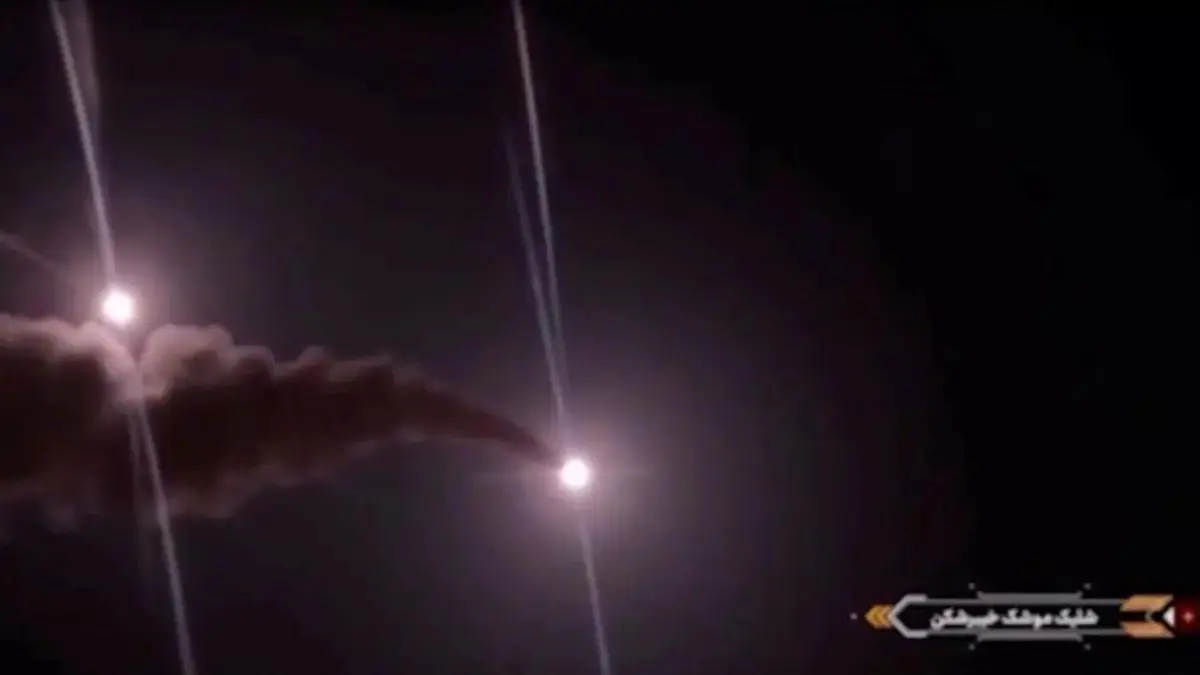
Thumbnail uses a Reuters video still from footage released by Iranian authorities.


