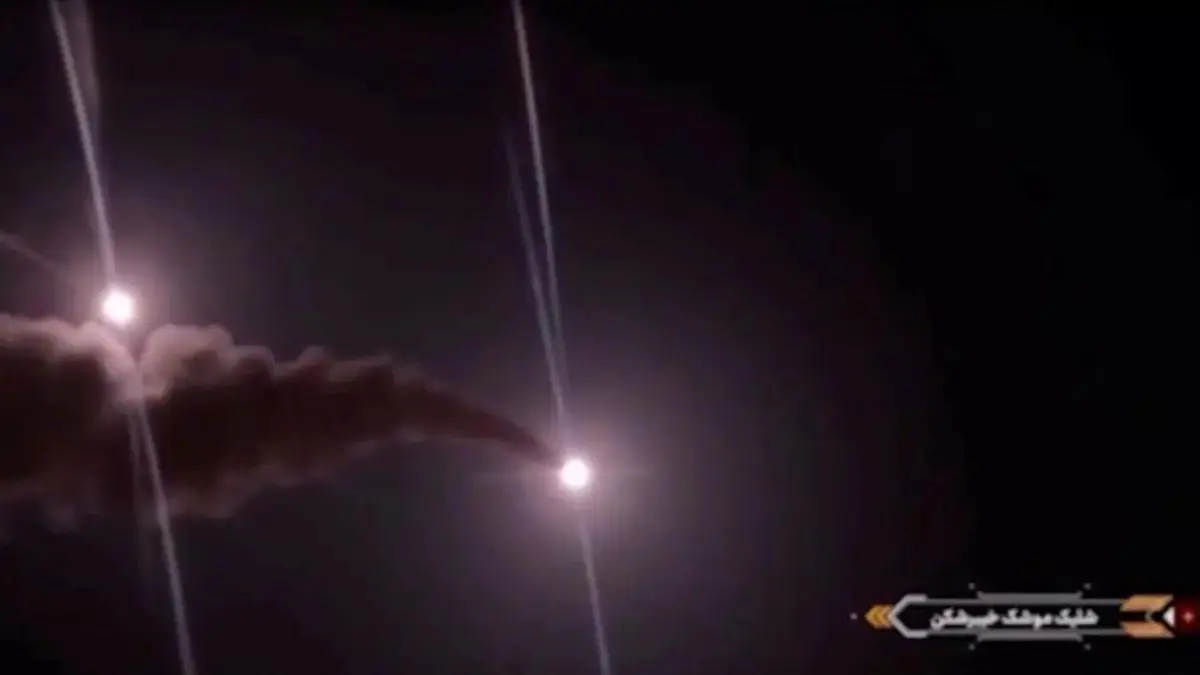
Iran's Revolutionary Guard said it fired ballistic missiles at a base in Jordan used by the United States and attacked 10 ships near the Strait of Hormuz on September 9, 2026. Jordan said its air defences intercepted 18 of 20 missiles and reported no casualties, while the US military said it had destroyed five Iranian oil tankers in an earlier operation.
The exchange marks a sharp escalation after roughly a month of relative calm in the six-month conflict. It also connects three pressure points at once: US military facilities in the region, commercial shipping through a critical energy route and oil infrastructure on both sides.
What Iran, Jordan and the US have said
Iran's Revolutionary Guard said the maritime attacks involved two US vessels and eight oil tankers. It also claimed its missile strike caused extensive damage at the Al Azraq base in Jordan. That damage claim has not been independently verified.
Jordan's account was different on the most immediate public-safety question. Its military said air defences intercepted most of the incoming missiles and that no casualties were recorded. US officials likewise said there were no American casualties from the strike. When official accounts conflict, the responsible reading is to separate the confirmed interception and casualty reports from Iran's unverified damage claim.
Reuters reported that the US military said it destroyed five Iranian oil tankers after earlier Iranian missile attacks targeted a US Navy ship. The developing sequence is therefore a cycle of action and retaliation rather than a single isolated incident. Vessel identities, crew status and the full extent of maritime damage may change as authorities release more information.
Why the Strait of Hormuz matters
The Strait of Hormuz is the narrow sea passage linking the Persian Gulf with the Gulf of Oman and wider international markets. Oil and liquefied natural gas cargoes from major Gulf producers use the route, so attacks on ships can affect prices even when the physical loss of supply is still uncertain.
The first market reaction usually reflects risk: traders consider whether tankers will delay voyages, whether insurers will charge more and whether naval escorts or rerouting will be required. Those costs can rise before official production figures move. Brent crude was already approaching $100 a barrel as the latest strikes intensified concern about prolonged disruption.
That does not mean every missile report produces the same change at petrol pumps. Crude benchmarks, refinery margins, local taxes, currency movements and inventories all shape retail fuel prices. Readers can follow our earlier explainer on why Gulf conflict risk moves oil prices for that distinction.
The wider regional escalation
The September 9 exchange follows Houthi attacks on Saudi Arabian cities and oil facilities a day earlier. Saudi authorities said 73 people were wounded. Those attacks widened the immediate area of risk beyond Iran, Jordan and the strait, while also increasing pressure on infrastructure used to move energy exports.
For Jordan, the missile interceptions show how a country can be drawn into regional hostilities even when it is not the principal combatant. Airspace safety, debris from interceptions and the presence of foreign military facilities all create risks for civilians. Airlines and travellers should use official airport and carrier notices rather than viral maps or undated videos when checking routes.
For shipping companies, the key questions are operational: whether navigation warnings change, whether crews can transit safely and whether ports remain accessible. A dramatic video may confirm that an incident occurred, but it cannot by itself establish the condition of every vessel or the status of the entire waterway.
What is confirmed and what remains unclear
The strongest confirmed points are that Iran announced missile and maritime attacks, Jordan reported intercepting 18 of 20 missiles without casualties, and the US said it had destroyed five Iranian tankers. Reuters also reported the Houthi attacks in Saudi Arabia wounded 73 people and set oil installations ablaze.
Important details remain unsettled. Independent evidence has not yet established the scale of damage Iran claimed at Al Azraq. A complete, verified list of the 10 ships Iran said it attacked was not available in the initial reports. The condition of their crews and whether all vessels were commercial, military or otherwise connected to the conflict also require authoritative confirmation.
Readers should be cautious with recycled footage. Images of burning tankers and missile interceptions from earlier months are often reposted during a new escalation. Match the date, vessel name and location against a named news agency, military statement or maritime authority before treating a clip as evidence of the September 9 attacks.
What to watch next
The next reliable indicators will come from Jordan's military, US Central Command, maritime security notices and shipping data. Any confirmed casualties, port closures or changes to commercial transit would materially alter the story. Oil-market updates will show whether traders expect a temporary disruption or a longer threat to supply.
Diplomatic signals matter as well. A pause in retaliatory strikes could reduce the immediate risk premium, while another attack on military or energy infrastructure could deepen it. Claims from each party should continue to be attributed clearly rather than presented as independently established facts.
This report is based on Reuters' September 9 account and the official statements it cited. It will be updated when verifiable information changes the casualty count, vessel status or operational picture. Follow MatchUpWorld's world coverage for further confirmed updates.