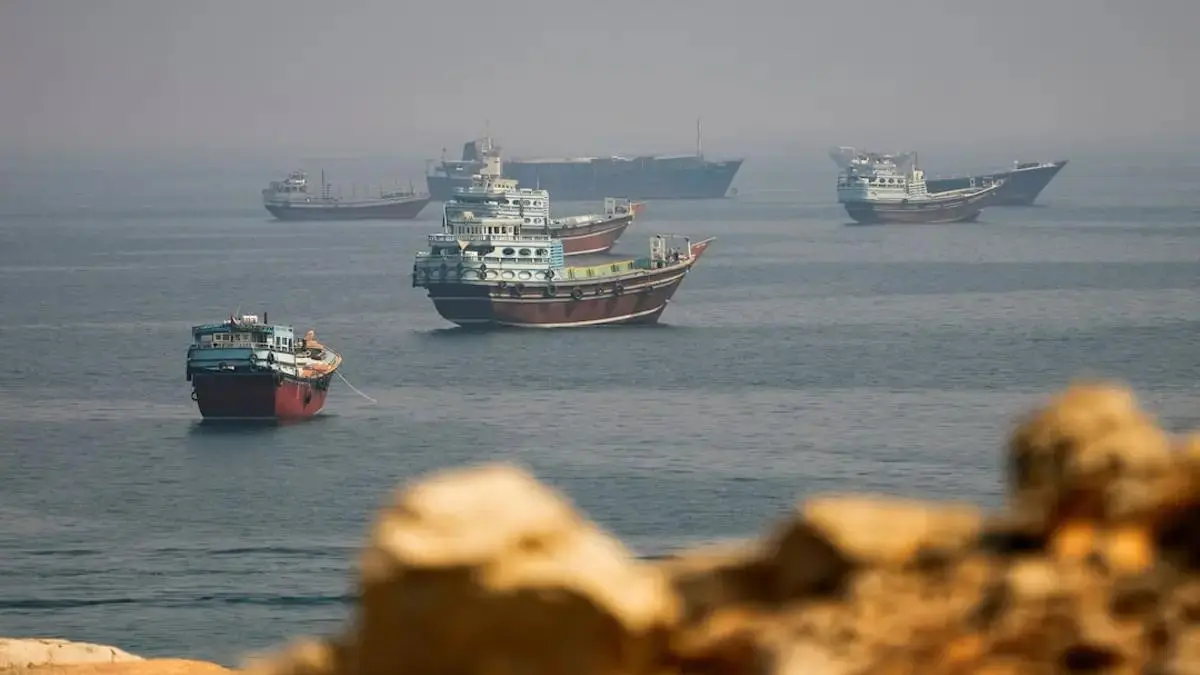
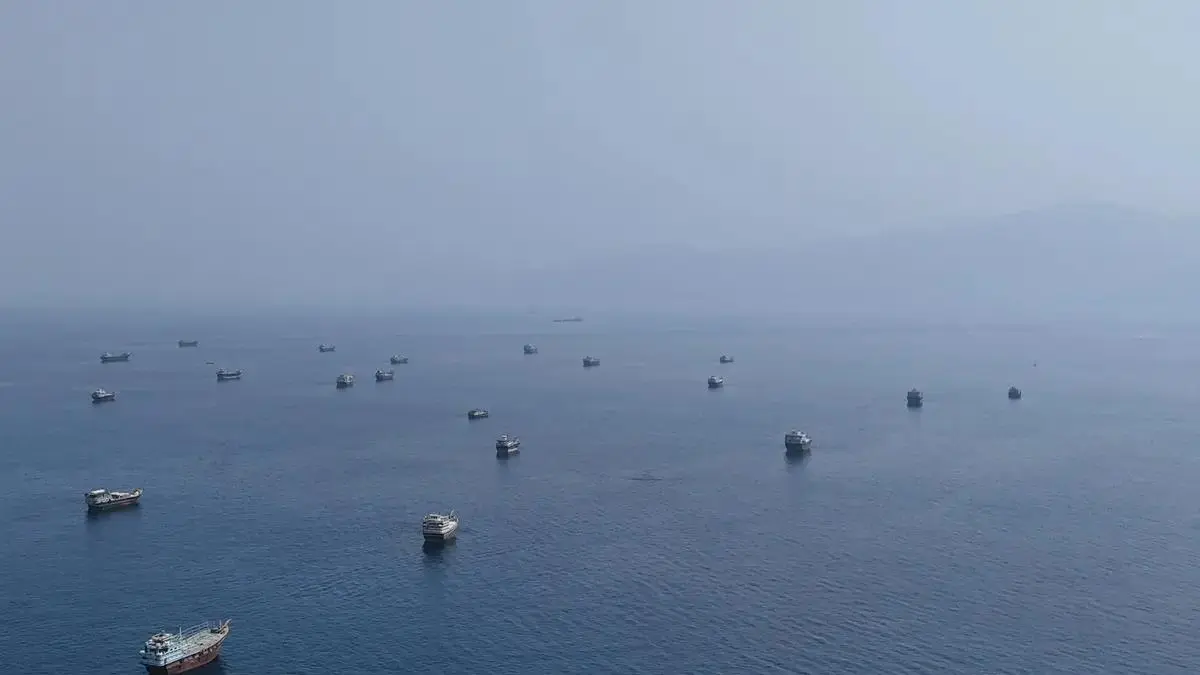
An oil tanker does not need to sink for fuel prices to react. If ships face a more dangerous route, the market starts pricing the risk before every physical barrel is missing. That is part of what is happening as concern grows around shipping attacks and the Strait of Hormuz.
Reuters reported Brent above $102 a barrel on 8 October, citing Gulf tanker risks and U.S. Gulf production disruption. The number will move. The chain of effects is what matters.
First comes uncertainty
The Strait of Hormuz is a crucial passage for seaborne oil. When shipowners, insurers and traders see a higher chance of disruption, a voyage can become more expensive or less predictable. Some cargoes may take different routes; some may wait; insurance costs can rise.
That does not automatically mean the route is closed. A risk premium is the market’s price for uncertainty, not proof that all supply has stopped.
Then the cost reaches further
Crude is an ingredient in much more than petrol. Higher prices can influence diesel, aviation fuel, shipping, plastics and transport-heavy businesses. Countries that import large volumes of oil can face pressure on inflation, their currency or their trade balance.
The final impact on a household is not identical everywhere. Taxes, subsidies, exchange rates and local competition all change the speed and size of pass-through.
Four signals to watch
Look for verified shipping interruptions, producer output changes, official inventory data and diplomatic developments. One alarming headline may be important, but it is not enough to describe a global supply collapse.
For a market view from India, shares have also been reacting to the rate-and-oil combination. Good energy coverage should make the connection clear without pretending to know tomorrow’s price.
Sources: Reuters oil market report; International Energy Agency.