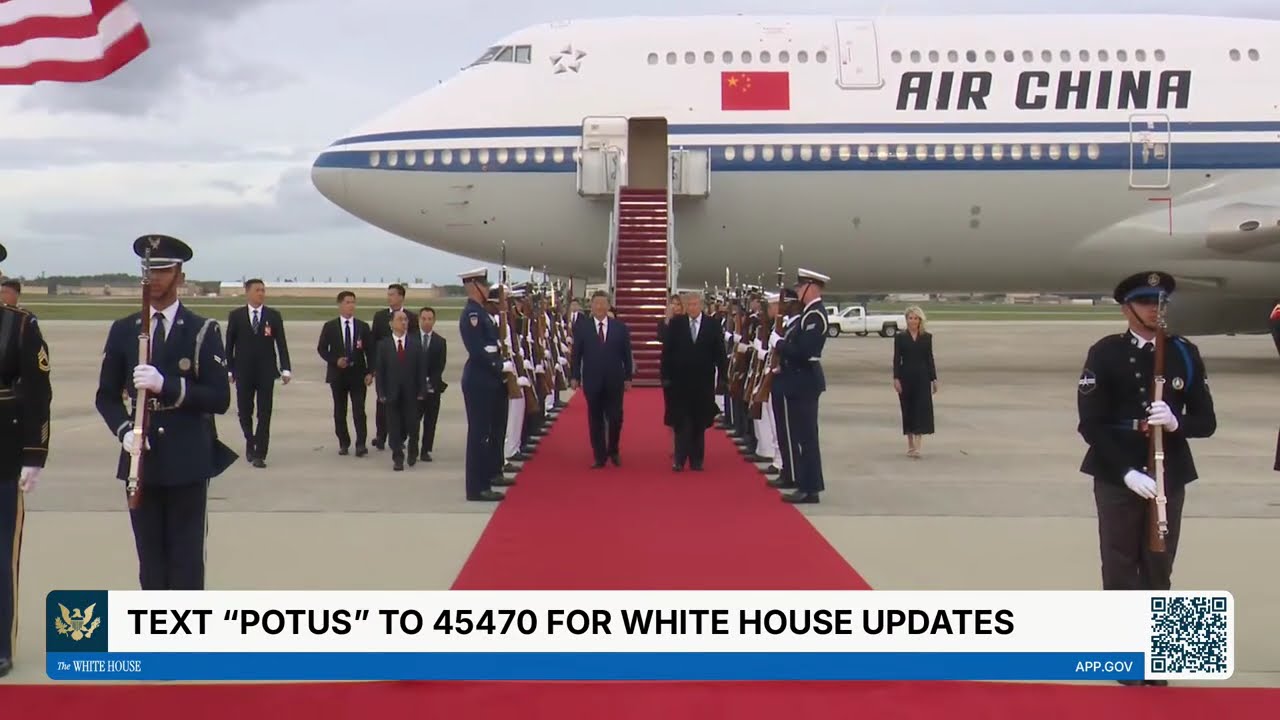
Russian President Vladimir Putin, Chinese President Xi Jinping and US President Donald Trump could hold a rare three-way meeting at the next Asia-Pacific Economic Cooperation summit, according to the Kremlin.
Kremlin foreign-policy aide Yuri Ushakov said on September 1 that the possibility had been discussed and that all three leaders were expected to attend APEC. The White House had not confirmed the proposed trilateral meeting when Reuters published its report.
The distinction matters. This is a publicly acknowledged possibility, not a scheduled summit with a confirmed time, room or agenda.
What the Kremlin said
Ushakov was asked on Russian state television whether Putin, Xi and Trump might meet together at APEC. He said the issue had been discussed and suggested that their expected attendance could create an opportunity.
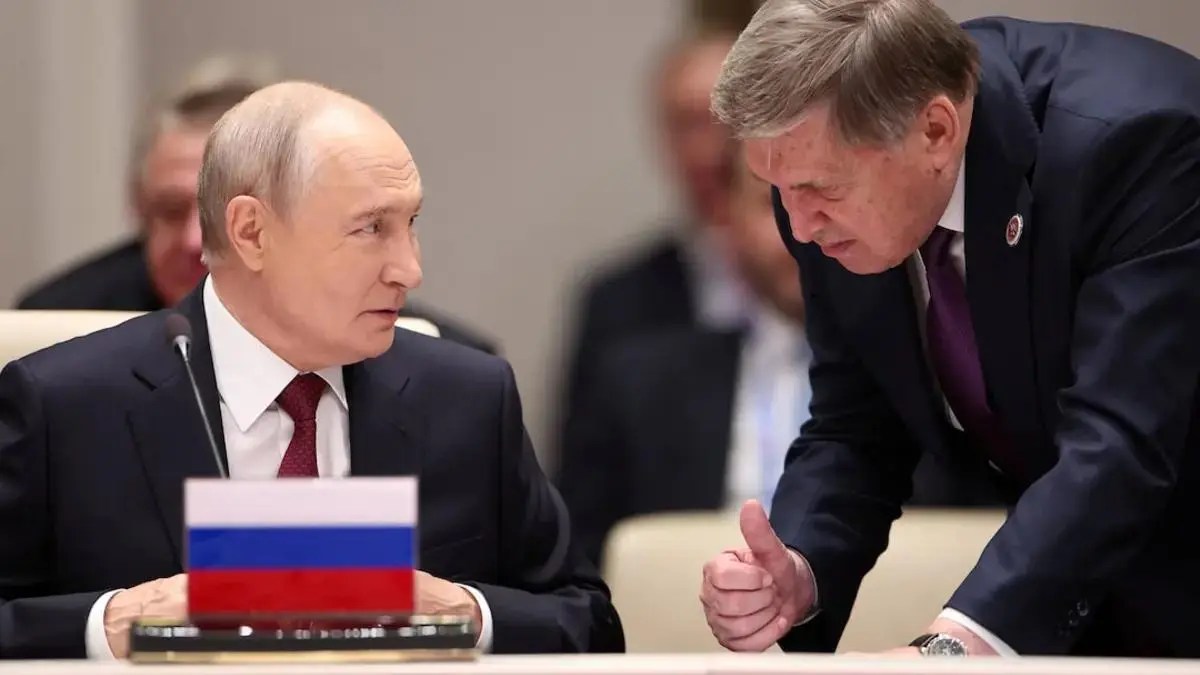
He made the comments from Bishkek, Kyrgyzstan, where Putin and Xi attended a Shanghai Cooperation Organisation gathering.
The Kremlin statement establishes that Moscow is interested in the format. It does not establish that Washington and Beijing have agreed to it.
Is the trilateral meeting confirmed?
No. There are three levels of diplomatic preparation that are often blurred in breaking-news coverage:
- A leader or aide publicly raises the idea.
- Governments negotiate the format and agenda through officials.
- All sides announce a confirmed meeting.
The proposal is currently between the first and second stages. Ushakov says it was discussed, but no joint announcement has been made.
The White House's lack of immediate comment does not mean the meeting has been rejected. Governments frequently wait until security, scheduling and policy details are settled before confirming leader-level engagements.
Why a three-way meeting would matter
The United States, China and Russia have enormous influence over security, trade, energy and global institutions. Yet their leaders more commonly meet in bilateral formats.
A trilateral session could bring several connected crises into the same room. Washington and Beijing are managing trade and technology tensions. Russia's war with Ukraine remains a central security issue. The Iran conflict has affected oil, shipping and alliances across the Middle East.
China maintains a close strategic relationship with Russia while also needing stable access to US and global markets. Trump has pursued direct leader-to-leader diplomacy but combines it with tariffs and military pressure. Putin wants to prevent deeper coordination between Washington and Beijing against Moscow.
Those competing interests make a meeting important even if it produces no formal agreement.
What could be on the agenda
No official agenda exists. Based on the active disputes involving the three countries, likely subjects could include:
- The war in Ukraine and conditions for negotiations.
- US-China trade, tariffs and technology restrictions.
- The Iran war and security around the Strait of Hormuz.
- Energy flows, sanctions and shipping.
- Taiwan and military activity in the Indo-Pacific.
- Nuclear risk and strategic stability.
This list is analytical, not confirmed. APEC meetings are often brief and can focus on a narrow issue rather than attempting to resolve every dispute.
Why APEC offers an opening
Large multilateral summits allow leaders to hold meetings without arranging a separate state visit. Delegations, security teams and diplomatic staff are already present, making a side meeting easier to organize.
The setting also offers political flexibility. A leader can frame the conversation as part of a wider summit rather than a concession to a rival.
However, three-way diplomacy is harder than a bilateral meeting. Every word in a joint statement must satisfy three governments, and even the seating format can carry symbolic meaning.
What each leader could want
Trump could use a meeting to press China and Russia on Iran, trade and global security while presenting himself as a dealmaker before the US midterm elections.
Xi could seek stability with Washington, protect Chinese economic interests and demonstrate that Beijing is central to any major diplomatic settlement.
Putin could push for recognition of Russia's role in global decision-making and test whether disagreements between the US and China create room for Moscow.
The leaders' incentives overlap only partially. That makes a breakthrough difficult but a conversation plausible.
What to watch next
The most reliable signs of progress will be comments from the White House and China's foreign ministry, followed by confirmation from APEC organizers or official schedules.
Watch for whether officials describe the meeting as trilateral, a joint informal conversation or three separate bilateral sessions. Those formats are not equivalent.
An agreed agenda would be another important signal. Without one, a photo opportunity could produce attention but little policy movement.
The accurate status
The Kremlin has opened the door to a Putin-Xi-Trump meeting and says the idea has been discussed. All three leaders are expected by Moscow to attend the next APEC summit. The United States has not publicly confirmed the three-way session.
Until the three governments agree, headlines should use “could” or “may,” not “will.” If it happens, the meeting would bring the leaders of the world's three most consequential military powers into a single conversation at a moment of exceptional tension.
Thumbnail uses a pool photograph from the Shanghai Cooperation Organisation summit in Bishkek.