Online fast-fashion retailer Shein has priced its Hong Kong initial public offering at HK$48.56 per share, raising HK$13.60 billion, or approximately $1.74 billion, before its stock-market debut on September 1, 2026.
The final price was below the HK$49.50 top of the marketed range but above the HK$47.60 minimum. Shein sold 280 million shares and will trade on the Hong Kong Stock Exchange under stock code 0625.
The Singapore-headquartered, China-founded company reaches the public market after abandoning earlier attempts to list in New York and London. Its debut will be closely watched because Shein combines enormous global reach with slowing growth, tariff pressure and regulatory investigations in the United States and Europe.
Shein Hong Kong IPO: key numbers
- Final offer price: HK$48.56 per share
- Shares sold: 280 million
- Money raised: HK$13.60 billion, or about $1.74 billion
- Stock code: 0625
- Exchange: Hong Kong Stock Exchange
- Trading date: September 1, 2026
- Hong Kong public offering demand: 5.63 times subscribed
- International offering demand: 2.59 times subscribed
- Estimated valuation: Approximately $26.5 billion
- Business: Global online fast-fashion retail
The listing is one of Hong Kong's largest consumer-sector offerings of the year. However, Shein's valuation is far below the roughly $100 billion private-market peak it reached in 2022.
Why Shein priced below the top of the range
Shein marketed shares from HK$47.60 to HK$49.50. Pricing at HK$48.56 allowed the company to complete the full offering while leaving some room below the maximum.
Demand was sufficient to oversubscribe both the retail and international portions, but the subscription levels were moderate compared with heavily sought-after Hong Kong technology listings.
Investors are weighing Shein's large customer base and supply-chain technology against major uncertainties:
- New import duties and changing trade rules
- Slower revenue growth
- Higher customer-acquisition costs
- Competition from Temu and other online retailers
- Environmental and labour scrutiny
- Regulatory investigations in the US and Europe
The pricing suggests Shein accepted a lower valuation to secure a successful listing after years of delays.
Shein's valuation fell sharply from 2022
The IPO values Shein at about $26.5 billion. That is slightly more than one quarter of the company's reported $100 billion valuation during a 2022 private funding round.
The comparison shows how investors' view of fast-fashion ecommerce has changed. During the pandemic-era online shopping boom, Shein's rapid growth and data-driven supply chain supported technology-style valuations.
Public investors in 2026 are paying closer attention to profits, tariffs and regulatory risk. A lower valuation does not mean Shein's business has become small; it means the market is placing a lower price on each dollar of future growth.
The reset may help the stock if results exceed cautious expectations. It also creates pressure because early investors who bought at higher valuations must accept that their paper holdings are worth less.
When will Shein shares start trading?
Shein shares are scheduled to begin trading in Hong Kong at 9 a.m. local time on Tuesday, September 1.
Hong Kong Exchanges and Clearing has said options will be available and short selling will be permitted from the trading debut. That can increase liquidity but may also make the first sessions more volatile.
Gray-market trading before the official debut showed Shein shares more than 10% below the IPO price on some platforms. Gray-market prices are not official exchange closes and can involve limited liquidity, but the decline pointed to cautious sentiment.
Investors should distinguish the IPO price, unofficial pre-debut trading and the official opening price once the stock begins trading on HKEX.
Who invested in the offering?
The allocation attracted a mix of global institutions, technology investors and billionaire-linked family offices.
Reuters reported that existing or additional participants included:
- Willett Advisors, the family office linked to Michael Bloomberg
- Microsoft
- Reliance, controlled by Mukesh Ambani
- SoftBank Vision Fund
- Xavier Niel
- Claure Group
Cornerstone investors included Boyu Capital, Tiger Global Management, General Atlantic, Tencent, Greenwoods Asset Management, Taikang Life Insurance and UBS Asset Management Singapore.
Cornerstone investors typically agree in advance to buy a set allocation, often with a lock-up period. Their participation can support an offering but does not guarantee positive trading after the listing.
What Shein will do with the IPO money
Shein says it will use most of the proceeds to improve technology, strengthen brand awareness and expand its global presence.
Technology spending is central to the business. Shein uses data to identify trends, test products in small batches and rapidly reorder styles that sell. The model aims to reduce unsold inventory compared with traditional seasonal fashion production.
Possible uses of capital include:
- Supply-chain software and automation
- Consumer data and recommendation systems
- Logistics and delivery infrastructure
- Global marketing
- Compliance and sustainability programmes
- Expansion in priority retail markets
The investment must produce measurable returns. Spending more on branding can support growth, but it can also pressure margins if customer-acquisition costs rise faster than sales.
Why Shein moved from New York and London to Hong Kong
Shein previously explored a New York listing and later pursued London. Both efforts became difficult amid political and regulatory scrutiny.
The company was founded in China and relies heavily on Chinese manufacturing, even though its headquarters are now in Singapore and its customers span about 160 countries.
US lawmakers and regulators raised questions about supply chains, import treatment and corporate disclosures. The London effort also faced delays. Hong Kong ultimately provided a listing venue more closely connected to Shein's manufacturing base and Chinese regulatory relationships.
The change does not eliminate global scrutiny. As a public company, Shein will face continuing disclosure requirements and pressure from international regulators, investors and campaign groups.
The effect of US tariff changes
Shein's low-price model relied partly on shipping individual parcels directly to customers. In the United States, many packages had previously benefited from the “de minimis” duty exemption for low-value imports.
The removal of that exemption increased costs and forced ecommerce companies to change pricing, logistics or sourcing. Shein reported that US revenue fell 14.3% after the policy shift.
The company also recorded a quarterly loss of $99 million in July. That result included a $328 million fair-value accounting charge related to convertible redeemable preferred shares, so the reported loss does not represent operating performance alone.
Investors will watch whether Shein can protect margins by changing its supply chain, raising prices or increasing the use of regional warehouses.
Regulatory risks in Europe and the US
Shein is under investigation by the European Commission and the US Federal Trade Commission. The company says it is cooperating.
European regulators have examined issues including online platform obligations, product safety and consumer protection. Previous cases produced fines in France over alleged fake discounts and in Italy over greenwashing claims.
An investigation does not automatically result in liability or a penalty. However, compliance expenses and potential restrictions can affect growth plans even before a case is resolved.
Fast fashion also faces wider criticism involving waste, emissions, worker conditions and product quality. Public-market investors will expect Shein to provide clearer disclosures about how it monitors thousands of suppliers.
What the subscription figures mean
The Hong Kong public offering was subscribed 5.63 times. That means investors applied for more than five times the shares initially set aside for that portion.
The international offering was 2.59 times subscribed. This confirms that demand exceeded supply, but the level was not extreme by Hong Kong IPO standards.
Oversubscription does not guarantee that the share price will rise. Allocation rules, investor lock-ups and trading behaviour after the debut all influence performance.
The gray-market decline suggests some participants may be willing to sell below the offer price, while long-term institutional investors may be focused on results over several quarters.
What investors should watch after listing
The first-day share-price move will attract headlines, but the more important indicators will emerge through financial reports.
Key measures include:
- Revenue growth in the US and Europe
- Gross and operating profit margins
- Impact of tariffs and import rules
- Customer-acquisition costs
- Repeat purchase frequency
- Regulatory outcomes
- Inventory and supplier management
- Cash use after the IPO
Investors should also watch whether the listing improves Shein's credibility with regulators and suppliers or simply exposes the company to more public scrutiny.
Why the Shein IPO matters globally
Shein transformed fashion retail by combining an enormous online catalogue, very low prices and rapid production cycles. Competitors around the world copied parts of its model, while regulators began questioning its environmental and consumer impact.
The Hong Kong listing turns that private-company debate into a public-market test. Shareholders will decide whether Shein's growth engine can adapt to tariffs, regulation and a less forgiving investment environment.
The $1.74 billion raise gives Shein fresh capital, but the valuation decline shows that money is no longer being offered on the terms available four years ago. Its first trading sessions will provide an early signal; its long-term returns will depend on whether the company can convert global scale into durable profit.
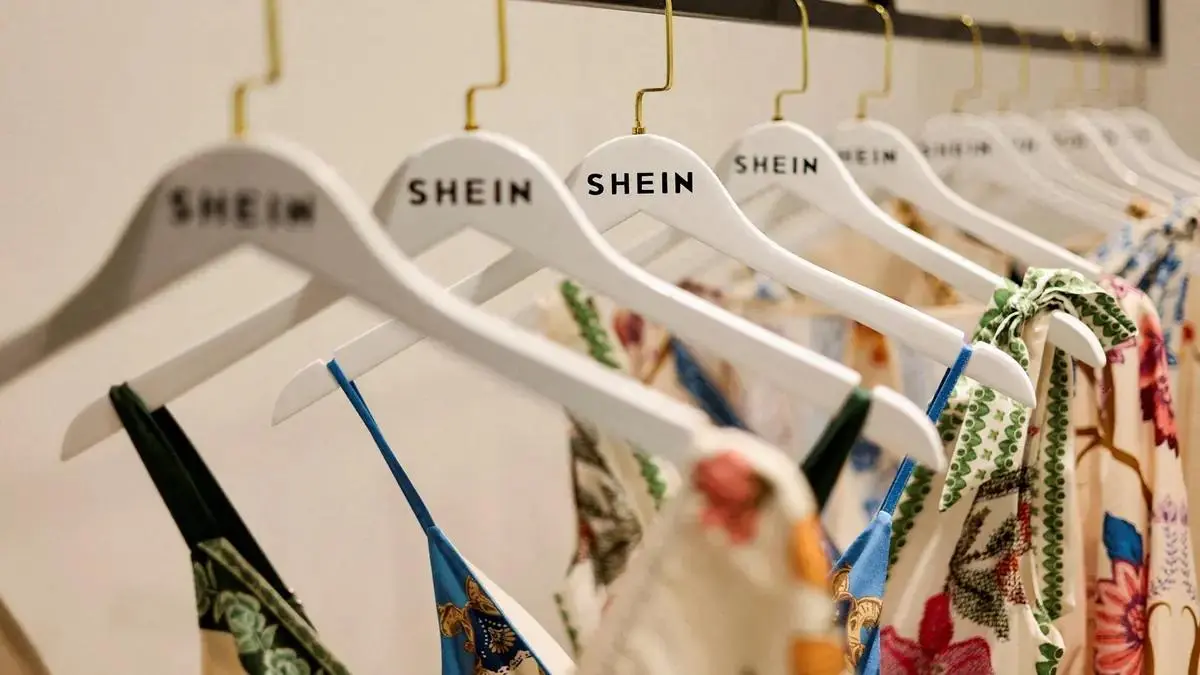
Photo: Clothes from Shein displayed at the fast-fashion company's office in São Paulo, Brazil, on December 15, 2025. Reuters/Jorge Silva.