Gold returns to a one-week high
Gold prices rose to their highest level in a week on Friday and were on course for their first weekly gain in four weeks. Spot gold was up 1.2% at $4,390.11 an ounce by 2:14 p.m. US Eastern time, according to Reuters, while US gold futures settled 0.6% higher at $4,424.90.
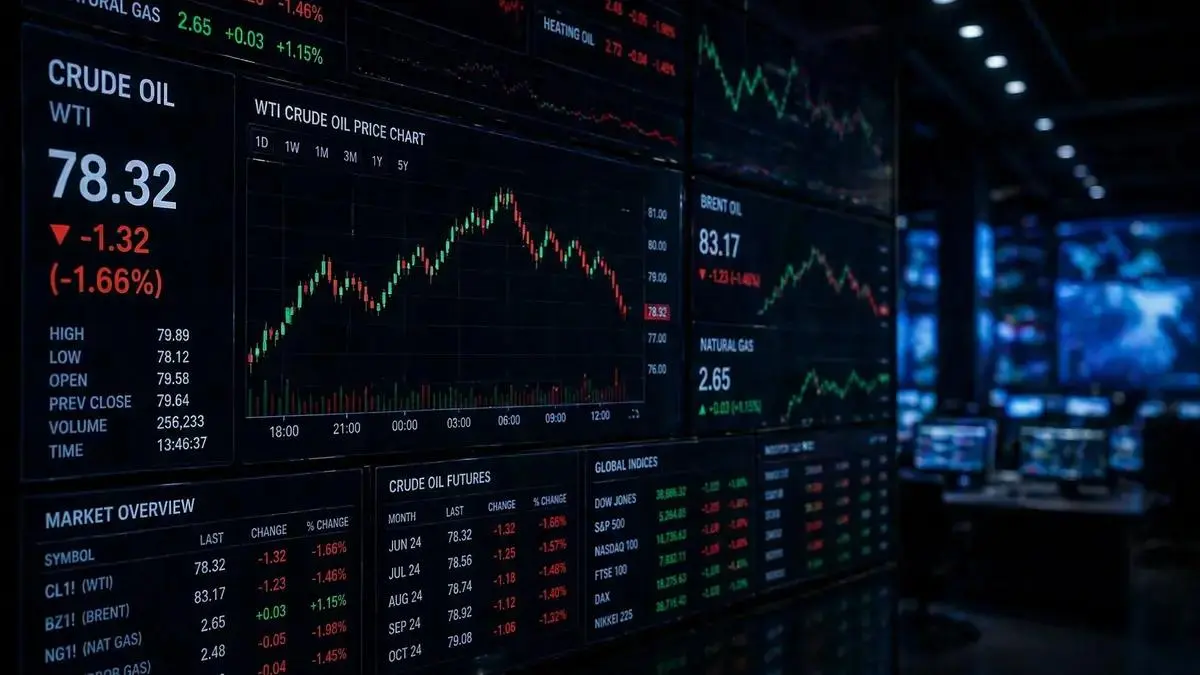
The immediate driver was a change in the inflation outlook. Brent crude fell for a third consecutive session as concern about disruption to Saudi supply eased. Oil remains exposed to Middle East risks, but the retreat reduced fears that another energy-price surge would keep broad inflation elevated for longer.
Why oil can move gold
Gold reacts to more than one signal. Lower oil prices can reduce expected inflation, but they can also change interest-rate expectations and encourage traders to close positions built around a different outcome. Reuters cited market commentary indicating that investors who had expected a US rate increase and positioned for a gold selloff were rapidly unwinding those trades.
The relationship is not automatic. Gold is often described as an inflation hedge, yet it pays no interest. When central banks raise rates, bonds and cash-like assets can become more attractive. That can weaken demand for bullion even when investors remain worried about prices or geopolitics.
The Federal Reserve factor
The US Federal Reserve raised its policy rate by a quarter percentage point to a range of 3.75% to 4% and signalled that more increases could follow. Traders were pricing a 55% probability of another increase at the October meeting, based on the CME FedWatch tool cited by Reuters.
A stronger dollar also complicates the picture. The US currency reached a more than seven-week high, making dollar-priced gold costlier for buyers using other currencies. In Japan, the central bank raised rates to a 31-year high and indicated that further tightening remained possible.
Global demand remains uneven
Physical demand in India was subdued as buyers waited for lower prices, while premiums in China held steady with support from investment demand. Other precious metals also advanced: silver, platinum and palladium were all heading toward weekly gains.
Investors should treat the quoted prices as a market snapshot, not a guarantee of the next move. Gold will remain sensitive to oil supply news, inflation data, central-bank guidance, the dollar and geopolitical risk.
The key level watched by some traders is the $4,400 to $4,440 area. A break above it could strengthen momentum, but renewed energy inflation or unexpectedly hawkish rate signals could quickly change the direction.
A practical investor takeaway
For retail buyers, short-term price moves can be amplified by currency conversion, taxes, dealer premiums and local demand. Anyone using gold for diversification should compare those costs and avoid treating a single resistance level as a forecast. The metal can remain volatile even during a broader weekly gain.
Primary source: Reuters