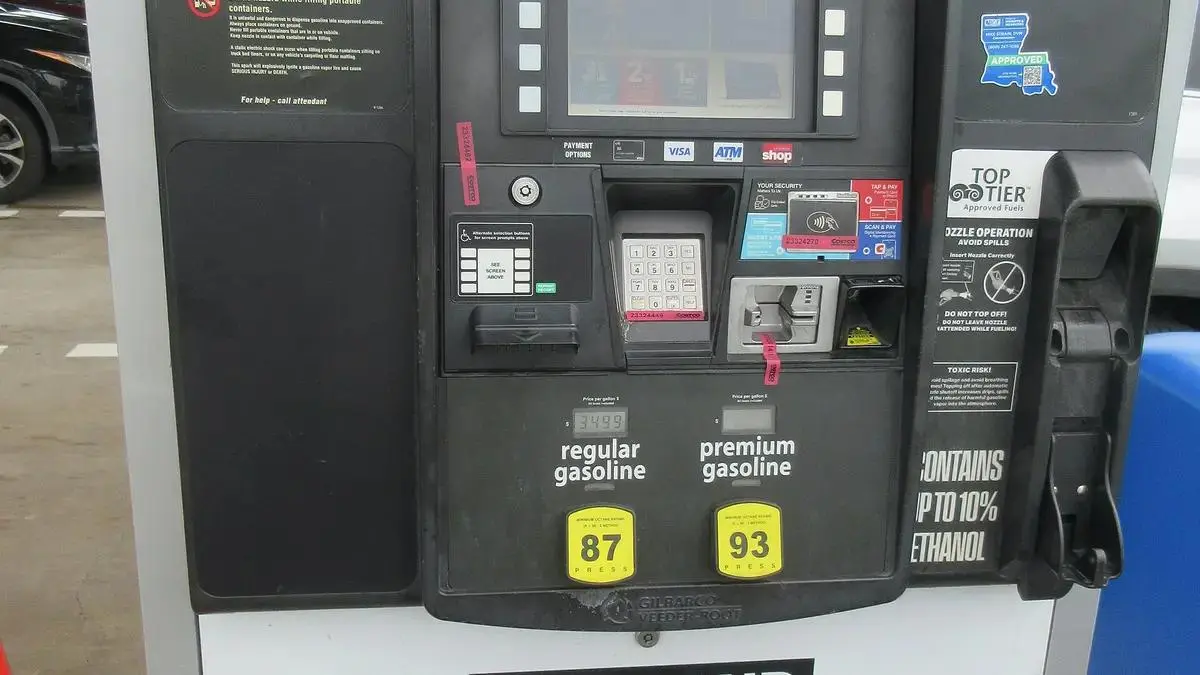
American drivers entered Labor Day weekend facing gasoline prices above $4 a gallon nationally, the highest level recorded for the holiday.
GasBuddy analyst Patrick De Haan projected a $4.03 national average on Labor Day, above the previous holiday record of $3.83 set in 2012. The tracked average was around $4.13 on Thursday, nearly a dollar higher than a year earlier.
Why prices rose
The immediate pressure begins with crude oil. Renewed military action involving the United States and Iran pushed oil back above $90 a barrel and revived concern about shipments through the Strait of Hormuz.
Attacks on Russian refineries have also tightened expectations for diesel and other refined fuels. Because crude is the largest input cost for gasoline, higher oil prices generally reach retail pumps.
Supply is already stretched
US refinery utilisation stood at 98%, its highest level since 2018, Reuters reported. That leaves limited spare capacity to increase fuel production quickly.
Gasoline inventories fell by 1.2 million barrels in the latest week to 205.7 million barrels, below the five-year August average of 217.6 million. At the same time, US refined-product exports were more than 10% higher than a year earlier.
Washington has extended a Jones Act waiver to ease some domestic fuel movements and ended summer-blend requirements early. Analysts said those steps offered only limited room for immediate relief.
Why the price matters beyond road trips
Pump prices are one of the most visible measures of inflation. Families encounter them directly and frequently, so changes can influence spending decisions and perceptions of the economy.
The pressure is wider than gasoline. Diesel prices have also climbed, affecting trucking and delivery costs, while AAA expected Labor Day airfares to be about 20% higher than a year earlier.
What drivers can monitor
Retail prices vary sharply by state. California, Hawaii and Washington were among the most expensive markets, while several Mountain West states recorded steep increases after the conflict began.
Travelers should compare local prices, avoid assuming every station follows the national average and treat short-term forecasts cautiously. Oil markets can move quickly when geopolitical or shipping conditions change.