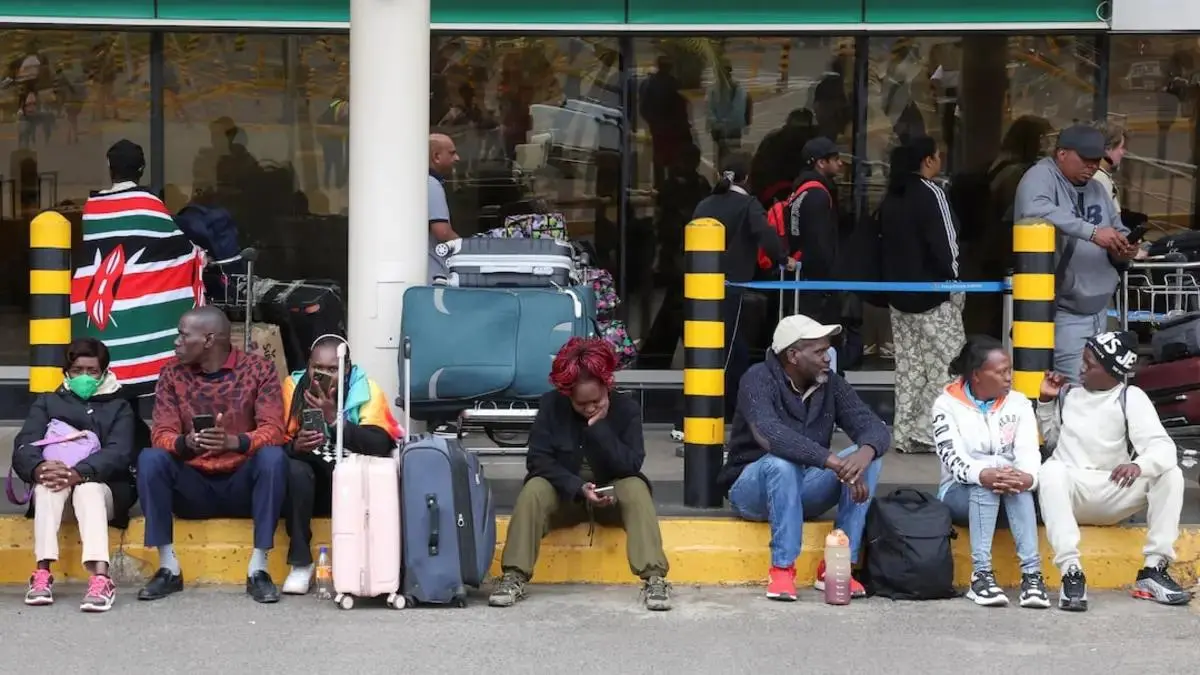
Hundreds of traders closed businesses and demonstrated in central Nairobi on August 28 over changes to customs valuation. The dispute centres on how the Kenya Revenue Authority estimates the value of imported goods—and therefore how much tax an importer must pay.
Although the protest began with traders, the issue can affect wholesalers, small shops and consumers if higher import costs move through the supply chain.
What triggered the Nairobi protest?
Small-scale traders objected to new customs valuation benchmarks for consolidated cargo. They argue that the higher values can produce tax bills that do not reflect the actual mix and price of goods inside a container.
Businesses in the central business district, Kamukunji and Eastleigh were reported closed as traders sought talks with the government and KRA.
What is customs valuation?
Import duty is often calculated as a percentage of the customs value of goods. Authorities need that value to prevent under-invoicing, where an importer declares an artificially low price to reduce tax.
The challenge comes with consolidated containers. Several traders may share one shipment containing products with different prices and tariff classifications. A benchmark can speed up processing, but a value set too high can overcharge legitimate low-value goods.
What does KRA say?
KRA has said an importer can opt out of a simplified arrangement and request verification based on the container's actual contents, correct customs value and classification.
That option matters, but traders may still worry about delays, documentation costs and the practical ability of small businesses to challenge an assessment while goods remain at a port or warehouse.
Why the dispute affects prices
Import taxes are part of a product's landed cost, alongside purchase price, shipping, insurance, port charges and domestic transport. When one component rises, a trader can absorb the cost, accept a smaller margin or increase the retail price.
Small businesses often have less room to absorb a sudden increase. That is why a customs policy can become a cost-of-living issue even when consumers never interact directly with KRA.
Why the government uses benchmarks
Customs agencies use reference values to identify suspicious declarations and collect revenue consistently. Without enforcement, dishonest importers can gain an advantage over businesses that declare the true price.
The policy question is how to control under-valuation without treating every mixed shipment as though it contains the same high-value products.
What happens next?
The immediate question is whether KRA and trader associations agree on a review, clearer product categories or a faster verification process. Prolonged shop closures would increase pressure on both sides.
Readers should distinguish a demand from a final policy change. A protest can start negotiations, but only an official KRA or government notice changes the applicable customs process.
Citizen Digital reported the August 28 demonstrations and business disruption. Importers should rely on formal KRA guidance for tax decisions.
The bottom line
Nairobi traders protested because they believe new customs valuation benchmarks raise import duties beyond the true value of some goods. KRA says traders can request verification of actual contents, but businesses remain concerned about cost and implementation.
For global context on costs moving through supply chains, read how the Strait of Hormuz affects oil prices and how central-bank rates reach prices. Browse more local developments in the Regional section.