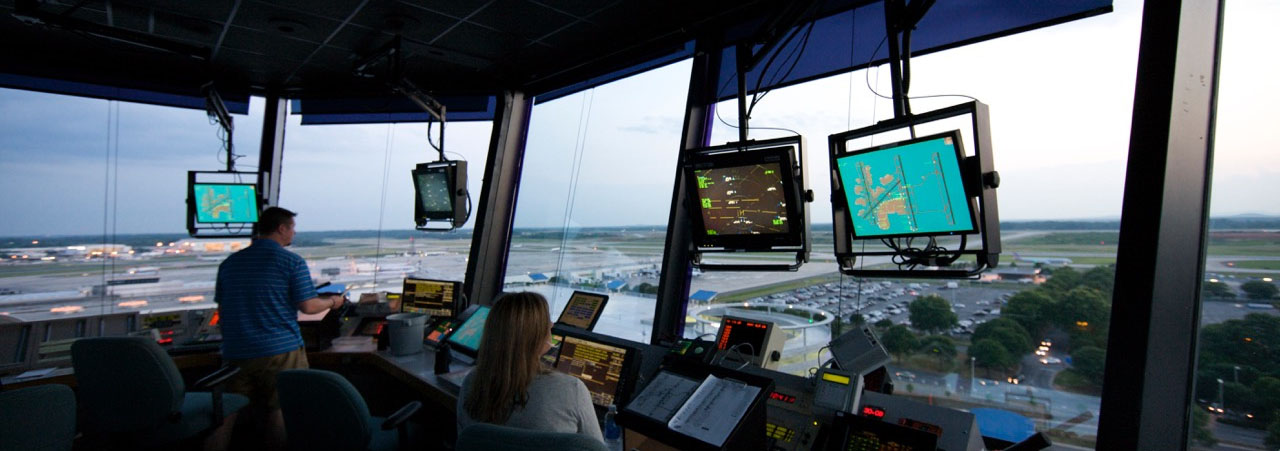
Kenya's aviation workers have ended a two-day strike that disrupted flights at Nairobi's Jomo Kenyatta International Airport and caused delays and cancellations across East Africa.
The Kenya Aviation Workers' Union signed a return-to-work agreement with the transport ministry, airport and civil aviation authorities, and low-cost carrier Jambojet. Members were instructed to resume duties immediately and begin clearing the backlog of flights.
The strike is over, but passengers should not assume every schedule returns to normal instantly. Aircraft, crews and connecting passengers may be out of position after two days of disruption.
Kenya airport strike: latest status
- Strike status: Called off on September 1
- Duration: Two days, Sunday and Monday
- Main airport affected: Jomo Kenyatta International Airport in Nairobi
- Other airports affected: Mombasa, Kisumu and Eldoret, among others
- Main workers involved: Aviation staff, including air traffic controllers
- Current action: Workers returning and flights being cleared
- Agreement: Return-to-work deal while negotiations continue
- Passenger advice: Confirm directly with the airline before travelling
Normalisation is a process, not a single moment. Some flights may operate on time while others remain delayed because of earlier cancellations.
Is JKIA open now?
Yes. Jomo Kenyatta International Airport remains open and workers have been directed to restore normal operations.
The end of the strike allows air traffic control and airport services to clear delayed departures and arrivals. Kenya Airways, Jambojet and foreign carriers can rebuild schedules as crews and aircraft become available.
Passengers should still check flight status before leaving for the airport. A flight can remain cancelled or retimed even after the industrial action ends.
The most reliable information will come from the operating airline's app, website, text alerts or service desk. Airport-wide announcements may not reflect the latest status of every individual service.
Which flights were affected?
The disruption began at JKIA, Kenya's main international gateway, but its impact spread across the region.
Reuters reported that airlines serving Rwanda, Burundi, Tanzania, Uganda, Somalia and Mauritius had to cancel or reschedule flights because of problems in Nairobi. RwandAir cancelled services after air traffic control constraints, while Kenya Airways warned customers about major delays and cancellations.
Domestic airports were also affected, including Mombasa, Kisumu and Eldoret. That matters for international travellers connecting through Nairobi to safari, coastal or business destinations.
Even a short stoppage at a hub can produce a long recovery. An aircraft delayed in Nairobi may miss its next route, and a crew can exceed legal duty-time limits before a replacement is available.
Should passengers still go to the airport?
Passengers with a confirmed on-time flight should follow their airline's instructions. Those without confirmation should contact the carrier before beginning the journey.
Useful steps are:
- Check the airline app or website using the flight number
- Confirm departure time and terminal
- Review email, SMS and app notifications
- Allow additional time for check-in and security queues
- Keep boarding passes and receipts for disruption claims
- Reconfirm onward connections separately
Do not rely only on a general social-media post saying the strike has ended. Your aircraft may still be delayed somewhere else in the network.
Why did Kenya's aviation workers strike?
The union cited several long-running disputes involving the Kenya Civil Aviation Authority, Kenya Airports Authority and Jambojet.
The issues included the absence of an agreed collective bargaining agreement at the civil aviation authority, delayed salary reviews, disputed union fees held by the airport authority and alleged victimisation of union members at Jambojet.
Transport Minister Davis Chirchir said the agreement created guidelines for handling three collective bargaining agreements that had been suspended since 2015.
The stoppage was therefore not based on one new demand. It reflected unresolved labour issues across multiple aviation organisations.
What did the return-to-work agreement include?
The agreement ends the industrial action while negotiations continue.
Reported provisions include:
- Immediate return to normal duties
- Resumption of collective bargaining talks between KAWU and the civil aviation authority
- A commitment to implement the outcome of those negotiations
- Release of agency fees held by the Kenya Airports Authority and owed to the union
- Protection against victimisation or disciplinary action for participating in the strike
- Continued court handling of the union-recognition dispute involving Jambojet
Calling off the strike does not mean every underlying disagreement has been fully resolved. It moves the dispute from airport operations back to negotiation and legal processes.
Will there be more flight delays?
Yes, some recovery delays are likely even though the strike has ended.
Airlines must reposition aircraft, reschedule crews, process stranded passengers and protect future flights from further disruption. International connections create additional complexity because one late service can affect airports several hours away.
The recovery time will not be identical for every airline. A carrier with several aircraft based in Nairobi may restore service differently from a foreign airline operating one daily flight.
Weather, maintenance and unrelated operational problems can also affect flights during the recovery. Not every delay after September 1 should automatically be attributed to the strike.
What should connecting passengers do?
Passengers connecting through Nairobi should check both flight segments.
If the flights are on one ticket, the airline generally has responsibility for rebooking a missed protected connection. If they were purchased separately, the second airline may treat a missed flight as a no-show.
Travellers should confirm baggage arrangements, especially after a reroute. Bags may be tagged to the original destination even when a passenger receives a different itinerary.
If an overnight delay is possible, keep essential medicine, chargers and basic clothing in cabin baggage. Never place critical medication only in checked luggage.
Can passengers claim refunds or compensation?
Rights depend on the airline, route, ticket conditions and the law covering the journey.
A cancelled flight may qualify for rebooking or a refund, but cash compensation is not automatic in every country. Industrial action involving third parties can be treated differently from a strike by an airline's own employees.
Passengers departing from the United Kingdom or European Union, or travelling on certain UK/EU carriers, may have specific rights under local passenger-protection rules. Eligibility depends on the itinerary and cause of disruption.
Keep evidence:
- Original booking confirmation
- Cancellation or delay messages
- Replacement itinerary
- Hotel, meal and transport receipts
- Written communication with the airline
Travel insurance may cover expenses not paid by the carrier, but policies have exclusions and notice deadlines.
Why JKIA matters across East Africa
Jomo Kenyatta International Airport is a major hub linking East Africa with Europe, the Middle East, Asia and other African regions.
Kenya Airways uses Nairobi as a connecting base, so disruption can affect travellers who never planned to enter Kenya. Flights between neighbouring countries and long-haul destinations often depend on the same aircraft and transfer systems.
Cargo is also important. Nairobi handles flowers, fresh produce, pharmaceuticals and time-sensitive goods. Delays can create economic losses beyond passenger travel.
That regional role explains why a two-day labour action created schedule changes in several countries.
What happens to the labour dispute now?
Collective bargaining negotiations are expected to resume immediately.
The agreement gives workers protection from retaliation for joining the strike and sets a path for handling salary and union-fee disputes. The Jambojet recognition question remains before the courts.
The durability of the settlement depends on whether the parties meet deadlines and implement the promises they signed. A return-to-work agreement restores services; it does not automatically produce a long-term labour contract.
Passengers and airlines will watch for progress because this was Kenya's second major aviation labour disruption in 2026.
How long until operations are fully normal?
Officials did not provide one guaranteed recovery time for every airport and airline.
Some services can resume quickly when air traffic controllers return. Other disruptions take longer because crews have reached duty limits, aircraft are in the wrong city or passengers need to be rebooked.
A realistic expectation is that schedules improve progressively rather than all at once. Travellers flying in the first 24-48 hours after the agreement should remain prepared for changes.
Airlines will remove disruption notices when their own networks stabilise. That is more useful than a single general estimate for the whole airport.
Practical checklist for travellers
Before travelling through Nairobi:
- Verify the flight directly with the operating carrier
- Check whether your booking has been automatically changed
- Reconfirm hotels and airport transfers
- Allow extra time at JKIA
- Download boarding documents before arrival
- Keep essential items in hand luggage
- Save receipts if disruption creates additional costs
- Contact the airline early if a connection is no longer possible
Passengers who were already stranded should ask the airline to confirm the new itinerary in writing rather than relying only on a verbal promise at the counter.
The bottom line
Kenya's aviation strike has ended and staff are returning to work, allowing JKIA and other airports to clear flights.
The agreement is good news for travellers across East Africa, but schedule recovery will take time. Passengers should confirm individual flights, protect connections and keep documentation for any refund or insurance request.
The immediate airport crisis is easing. The long-term test is whether renewed labour talks resolve the disputes that caused the shutdown.
Sources
- Reuters: Kenya aviation workers end strike that disrupted flights
- Kenya Airways: Operating flights disruption update
- AP: Kenya aviation workers end two-day strike
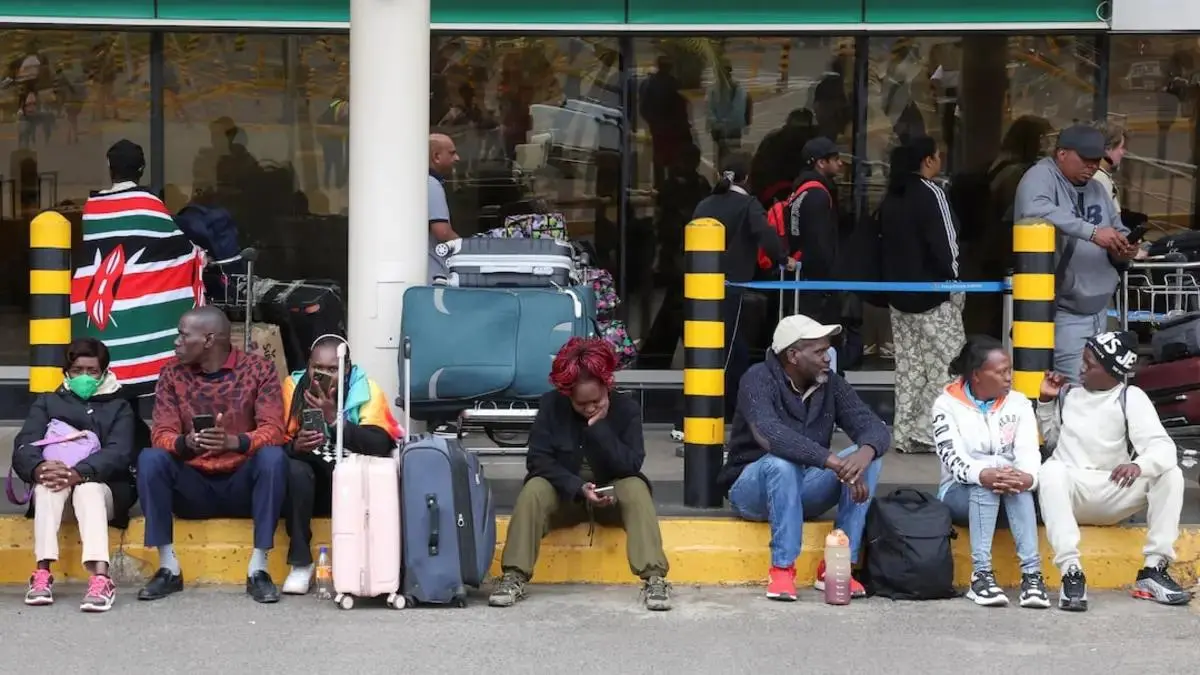
Thumbnail: Travellers at JKIA after the strike ended on September 1, 2026. Photo by Monicah Mwangi/Reuters.