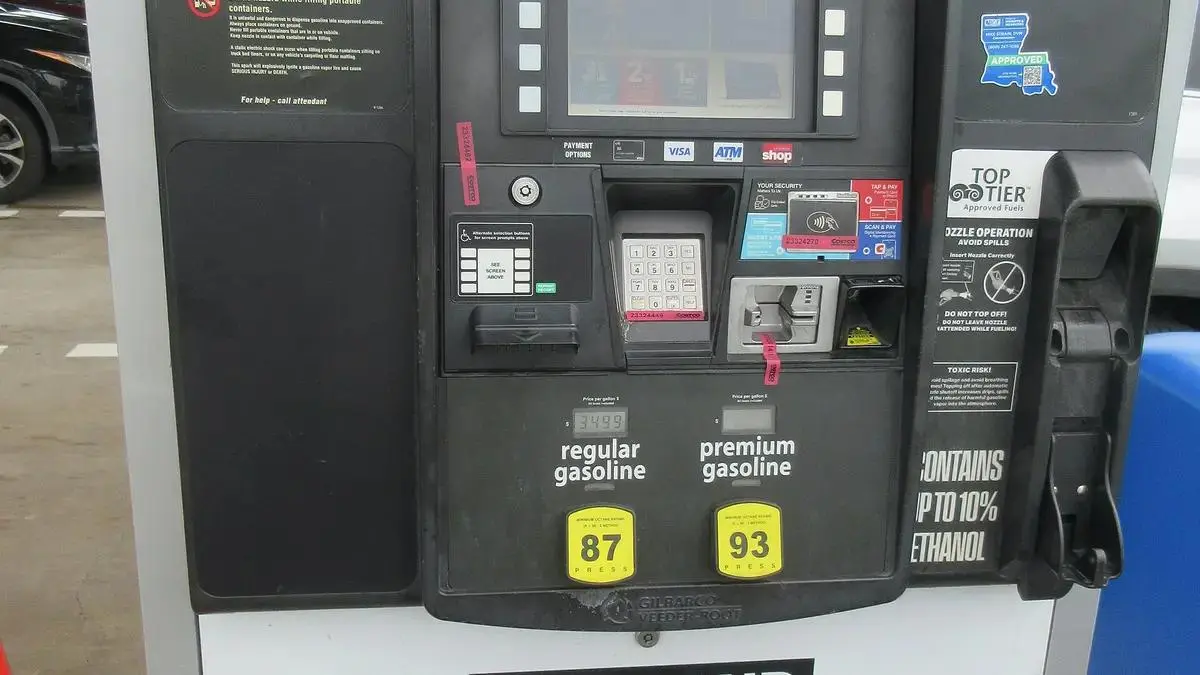
Oil prices moved higher on September 8 as renewed Gulf tensions increased concern about supply disruption. Reuters reporting cited by MarketScreener said crude gains accelerated after Iran threatened retaliation against new US attacks on its assets.
Why traders are watching the Gulf
The region carries a large share of global energy flows. A threat to ports, tankers or the Strait of Hormuz can add a risk premium even before physical supply is lost. That premium can feed into fuel, transport and inflation expectations.
Markets are also watching the yen, bond yields and equity futures. When energy risks rise, investors often reassess the outlook for central-bank policy because higher fuel costs can keep inflation elevated while weakening demand.
This is a market update, not a price forecast. Oil can reverse quickly if diplomatic conditions improve or supply routes remain open.
Source: Reuters report via MarketScreener. Read our business section.
How conflict risk reaches the oil market
Oil prices respond not only to barrels that are physically lost but also to the risk that future supply could be interrupted. Traders watch shipping routes, insurance costs, refinery access and government statements. If a conflict appears likely to last, buyers may pay more for prompt cargoes and producers may adjust deliveries, even before official production data show a major decline.
The market is global, so a move in a benchmark price can affect fuel costs with a delay. Refiners, currencies, taxes and local competition all influence what drivers eventually pay. That is why a headline increase in crude should not be treated as a one-for-one prediction for petrol or diesel in every country.
What to monitor next
The most useful indicators are tanker traffic, official production updates, inventory reports and the direction of diplomatic talks. Analysts also compare the risk premium with demand data: if economic growth is weakening, a temporary supply scare may fade faster than a disruption that removes physical barrels from the market.
Households and businesses can prepare by watching their own exposure rather than trying to predict every daily move. Airlines, transport firms and manufacturers may adjust hedges or surcharges, while consumers may see price changes only after local inventories are replenished. The story remains fluid, so later updates should be checked against the latest market and government information.
A practical checklist for following this story
Readers tracking market context should separate a confirmed update from a forecast. The most useful evidence usually comes from the organisation directly responsible for the event, a dated filing or a named technical source. Screenshots and short social posts can help locate a story, but they should not replace the underlying announcement. Keeping a note of the publication time also makes it easier to spot when a claim has been repeated without new evidence.
The next questions are practical: what changes for people, companies or teams; which milestone comes next; and which number would prove that the story is moving forward? In this case, that means watching shipping risk, inventories and refinery margins. Those details turn a headline into a useful guide and help readers compare later updates with the baseline described here. They also explain why a cautious article may use phrases such as “announced,” “expected” or “under review” instead of presenting an unconfirmed outcome as fact.
Over the coming days, follow the next price and policy signals through official channels and reputable reporting. Dates can move, schedules can be revised and early estimates can be corrected. A clear update should identify what has changed, cite the latest source and explain the effect in plain language. That approach keeps the article useful beyond the first news cycle while giving international readers enough context to understand the story in their own market or time zone.