The final Grand Slam arrives
The 2026 US Open is set to bring another two weeks of high-pressure tennis to the USTA Billie Jean King National Tennis Center in New York. With qualifying reaching its final stage, attention is turning to the main draw and the routes the leading players will have to navigate.
Alcaraz enters with plenty of attention
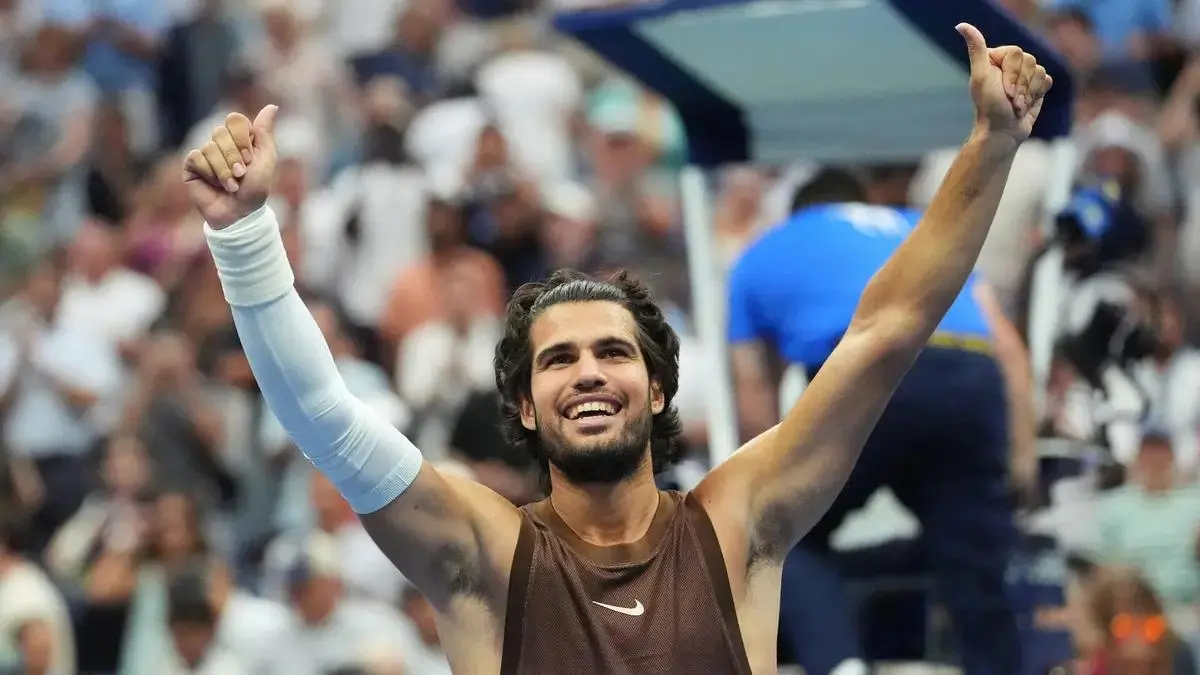
Carlos Alcaraz returns to the tournament with the spotlight firmly on him after his long injury absence and title-defence storyline. A Grand Slam draw is never simply about the favourite; early-round matchups, fitness and the timing of potential later clashes can all change the picture.
The women’s draw is equally open
Coco Gauff is among the leading names in a women’s field where consistency may matter as much as headline power. The US Open rewards players who can handle long rallies, changing conditions and the noise of a packed New York crowd.
What makes the US Open different
New York adds an atmosphere that few tournaments can match. Night sessions, packed stands and a hard court that rewards both aggressive serving and strong movement create a unique test. The draw decides the route, but fitness and mental endurance are likely to decide who is still standing in the final week.
How to read the story
The immediate attraction of US Open 2026 Draw is obvious, but the broader sporting picture is more useful than a single result or headline. Early-season draws, tournament matchups and player storylines can change quickly, so the strongest way to follow the story is to focus on what is already confirmed and what still has to happen on the field.
For teams and players involved, context matters. A difficult opponent can expose weaknesses that do not appear against a lower-ranked side, while a strong opening result can create confidence without proving that a season will follow a particular path. In competitions with several rounds, depth, scheduling and the ability to recover from a poor performance often matter as much as one standout moment.
Fans should also watch the practical details around US Open 2026 Draw: fixtures, selection decisions, form, fitness and the structure of the competition. These details can explain why a particular matchup has more significance than its headline value suggests. They also help avoid the temptation to make large conclusions from a very small sample of games.
The most interesting part of the story, therefore, is what it sets up next. If the event is a tournament, the result can affect qualification or seeding. If it is a player story, the next appearance can test whether the current narrative holds. Either way, the best coverage will keep updating the evidence rather than treating an early storyline as a finished conclusion.
What to keep in context
The clearest reading of US Open 2026 Draw will come from confirmed information rather than assumptions. As more details become available, dates, official statements, results and measurable changes will provide the best basis for judging what happens next.