A possible new phase in US-Poland defence ties
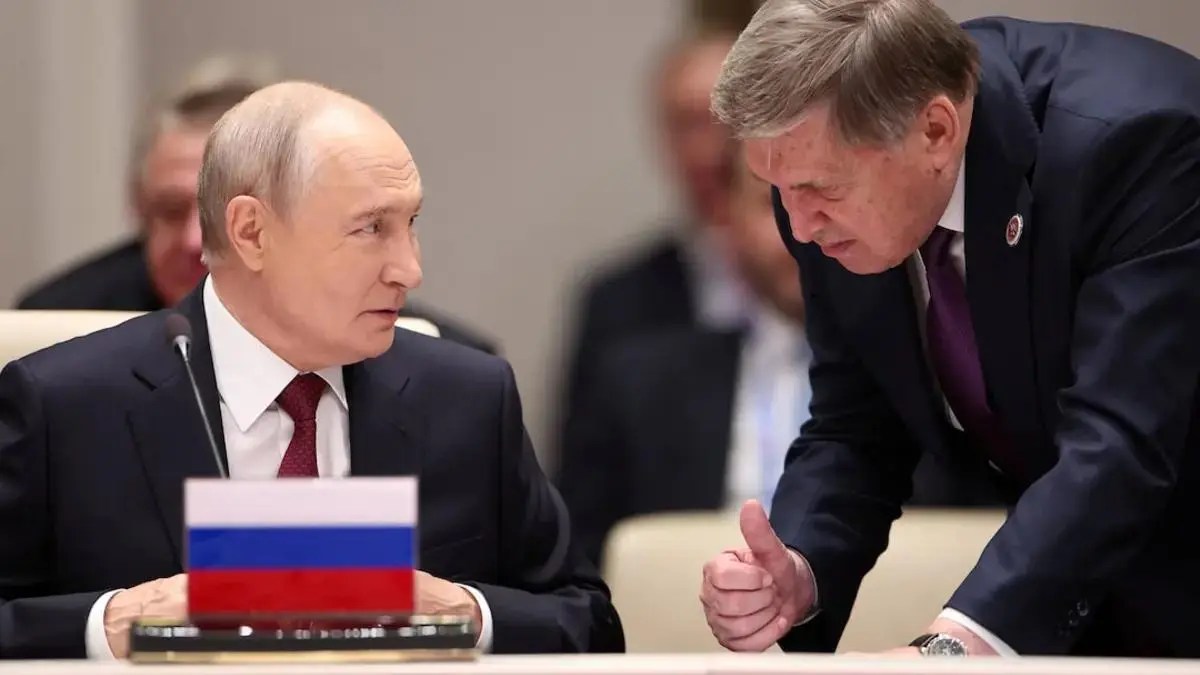
US President Donald Trump said progress had been made toward establishing a permanent US Army base in Poland, though he did not identify a site or announce a final agreement. The update, reported by Reuters, puts renewed attention on Poland’s role in NATO’s eastern security architecture.
US troops are already present in Poland on a rotational basis. A permanent base would be a more durable political and military commitment, but the distinction matters: progress toward a base is not the same as a completed decision, funded construction plan or announced deployment timetable.
Why Poland is central to the debate
Poland has pushed for stronger NATO defence arrangements since Russia’s full-scale invasion of Ukraine in 2022. It sits on the alliance’s eastern flank and has invested heavily in its own armed forces, logistics and defence cooperation with the United States.
For Warsaw, a permanent US installation would carry both practical and symbolic value. It could support training, equipment maintenance and the movement of forces, while also signalling that the United States sees Poland as a long-term strategic partner. Polish President Karol Nawrocki said his country was ready to deepen defence cooperation and would offer a suitable location, Reuters reported.
What needs to happen before a base exists
A project of this scale would require military planning, host-nation arrangements, funding decisions and agreement on what units or capabilities would be based there. Those details can determine whether a site is mainly a logistics hub, a training facility or a more substantial operational presence.
It would also be watched closely by other NATO members. The alliance balances deterrence with the need to coordinate across many countries, especially in Central and Eastern Europe where deployments, infrastructure and readiness plans are closely linked.
The wider security picture
The discussion comes while European governments are reassessing defence spending, industrial capacity and reliance on US support. Any permanent US base in Poland would become part of that broader shift rather than a stand-alone development.
For now, the key point is that no final base announcement has been made. The progress described by Trump makes the proposal more credible, but readers should separate political signalling from signed commitments. The location, size, mission and timeline will be the details that show how significant the plan becomes.
What readers should not assume
A permanent facility would not automatically mean a sudden increase in US combat forces or an independent NATO policy shift. Its effect would depend on the final agreement. The announcement is strategically important because it starts that concrete planning conversation, not because it completes it.
Any decision will also be tested by changing security conditions across Europe, which is why officials will keep the details under review.