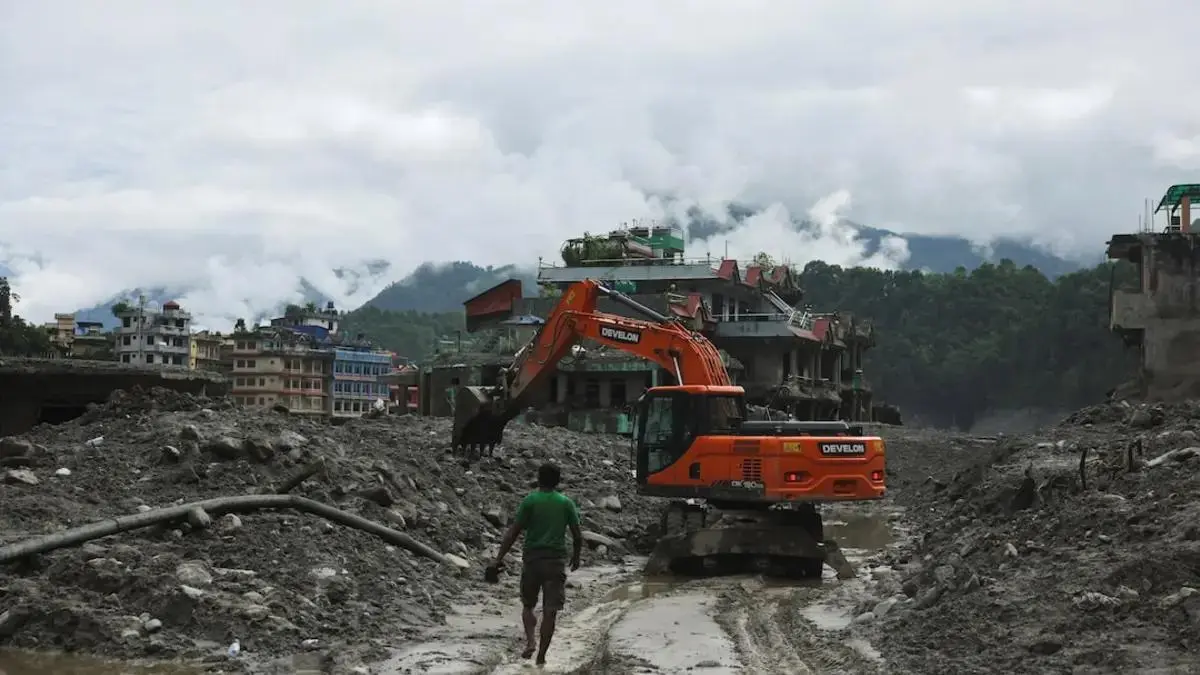
The United Nations and its humanitarian partners have launched a $49.6 million emergency appeal for people affected by catastrophic floods in Nepal.
The appeal is designed to reach more than 84,000 people with immediate assistance. It comes as damaged roads, disrupted services and difficult terrain complicate the delivery of food, clean water, shelter and medical support.
What the $49.6 million appeal is for
An emergency appeal is not a single payment handed to one organisation. It is a coordinated funding request covering the work of multiple humanitarian agencies and partners.
The money can support temporary shelter, safe drinking water, sanitation, food assistance, health services and protection for people exposed to additional risks after displacement. Logistics also matter: aid cannot reach isolated communities without transport, communications and local distribution networks.
The UN says the plan is intended to help more than 84,000 people. That figure describes the targeted reach of the response rather than a final count of everyone affected.
Why the first days are critical
Flood disasters create overlapping emergencies. The visible damage to homes and bridges is only the beginning.
Contaminated water can increase the risk of disease. Families who lose documents, income or access to transport may struggle to obtain assistance. Children can be separated from school and routine health care, while pregnant women, older people and people with disabilities may face additional barriers.
Rapid funding allows agencies to pre-position supplies and support local responders before those secondary problems become harder and more expensive to address.
The challenge of reaching remote communities
Nepal's geography makes disaster response unusually complex. Mountain roads can be cut by landslides, river crossings can become unsafe and weather can restrict air operations.
That means the distance between a warehouse and a village is not measured only in kilometres. A short route on a map may take hours or become inaccessible altogether.
Local organisations are therefore central to the response. They know which routes remain usable, which communities have been overlooked and what kind of assistance is practical in each area.
Why women and girls face specific risks
UN agencies have warned that tens of thousands of women and girls require immediate humanitarian assistance. Displacement can reduce access to safe sanitation, reproductive health services and secure shelter.
Protection concerns also rise when families are moved into crowded temporary accommodation. A well-designed response must therefore do more than distribute supplies; it must make services accessible and safe for different groups.
What happens after the appeal is launched
Governments, international institutions, companies and private donors decide whether and how much to contribute. Agencies then report on funding received, activities delivered and gaps that remain.
An appeal can be fully funded, partly funded or severely underfunded. If contributions arrive slowly, responders may have to prioritise the most urgent locations and reduce support elsewhere.
Relief is only the first stage
Emergency shelter and food are immediate priorities, but recovery lasts much longer. Homes, clinics, schools, farms and transport links may need repair or reconstruction.
The rebuilding phase also raises questions about resilience. Replacing damaged infrastructure exactly as it was can leave communities exposed to the next extreme event. Better drainage, safer construction and improved warning systems can reduce future losses, but they require longer-term investment.
What readers should verify before donating
People who want to contribute should use official agency or established charity websites. Disaster periods often attract fraudulent donation pages and misleading social-media posts.
Check the organisation's identity, payment domain and explanation of how funds will be used. Avoid sending money through an unfamiliar link simply because it appears in a viral post.
Follow the World section for verified international updates and context on major humanitarian events.