Uber will cut about 3,300 jobs, equal to roughly 10% of its workforce, in its largest layoff round since the COVID-19 pandemic.
Chief executive Dara Khosrowshahi said the overhaul is intended to simplify management, speed decisions and redirect savings toward growth. Uber had approximately 34,000 employees at the end of last year.
What changes inside Uber
The company plans to reduce employees positioned seven or more reporting layers below the CEO by 20% and sharply reduce teams with only one or two direct reports. Fully remote roles will be limited to about 1% of the workforce while the three-day office policy remains.
Unlike several recent technology layoffs, Uber did not directly blame artificial intelligence. The strategic pressure is coming partly from autonomous vehicles.
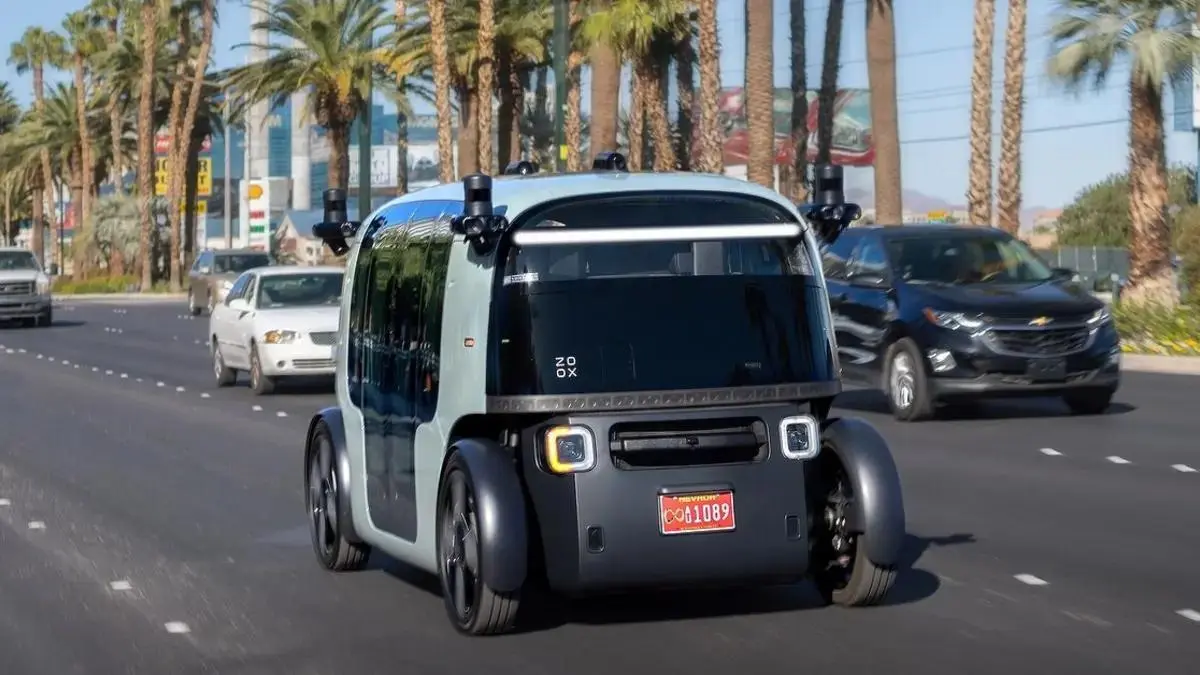
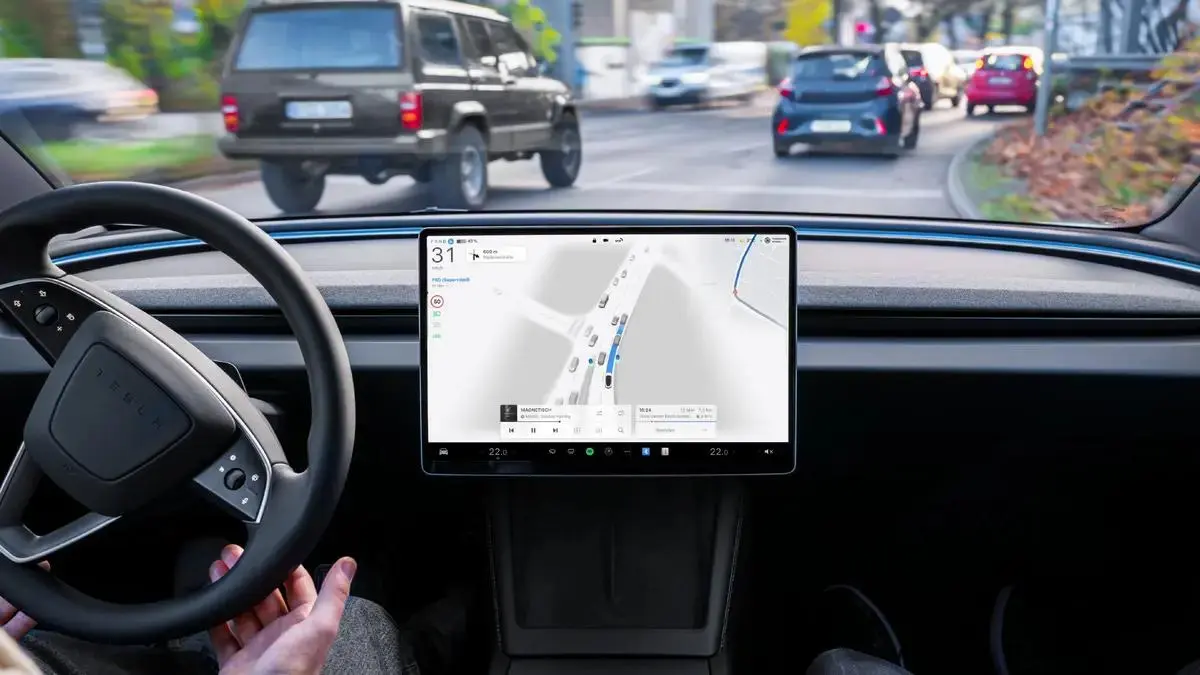
Waymo is expanding driverless services, sometimes through Uber and sometimes independently. Tesla and other competitors are also investing heavily in robotaxis. Uber plans to invest more than $10 billion in autonomous-vehicle partnerships and wants its app to remain a major marketplace for driverless rides.
Why investors care
Uber shares rose after the announcement, but the company faces competition in both mobility and food delivery. DoorDash, Instacart and regional platforms continue to pressure Uber Eats.
The central question is whether a leaner organisation can protect Uber’s position while the ride-hailing model changes. Cutting costs improves near-term efficiency, but success will depend on securing strong autonomous-driving partners and keeping customers inside Uber’s platform.