The US robotaxi race is expanding beyond its earliest testing hubs. Alphabet's Waymo and Amazon-owned Zoox have announced operations in additional cities, bringing autonomous ride-hailing closer to residents in Denver, San Diego, Tampa and Houston.
Waymo plans to expand fully autonomous rides to Denver, San Diego and Tampa, taking its operating footprint to 14 cities. Zoox is adding testing in Houston and San Diego, bringing its test presence to 12 locations.
What Waymo is doing
Waymo will introduce service gradually rather than opening every city to all users immediately. Mapping, employee testing and controlled access generally come before broad public availability.
The company already operates paid driverless rides in multiple US markets. Expansion demonstrates confidence that the same core system can adapt to different road designs, weather and driving cultures.
San Diego adds dense neighbourhoods and cross-border traffic patterns. Denver creates a more demanding weather environment, including snow and rapidly changing conditions. Tampa adds another competitive Florida market.
What Zoox is doing
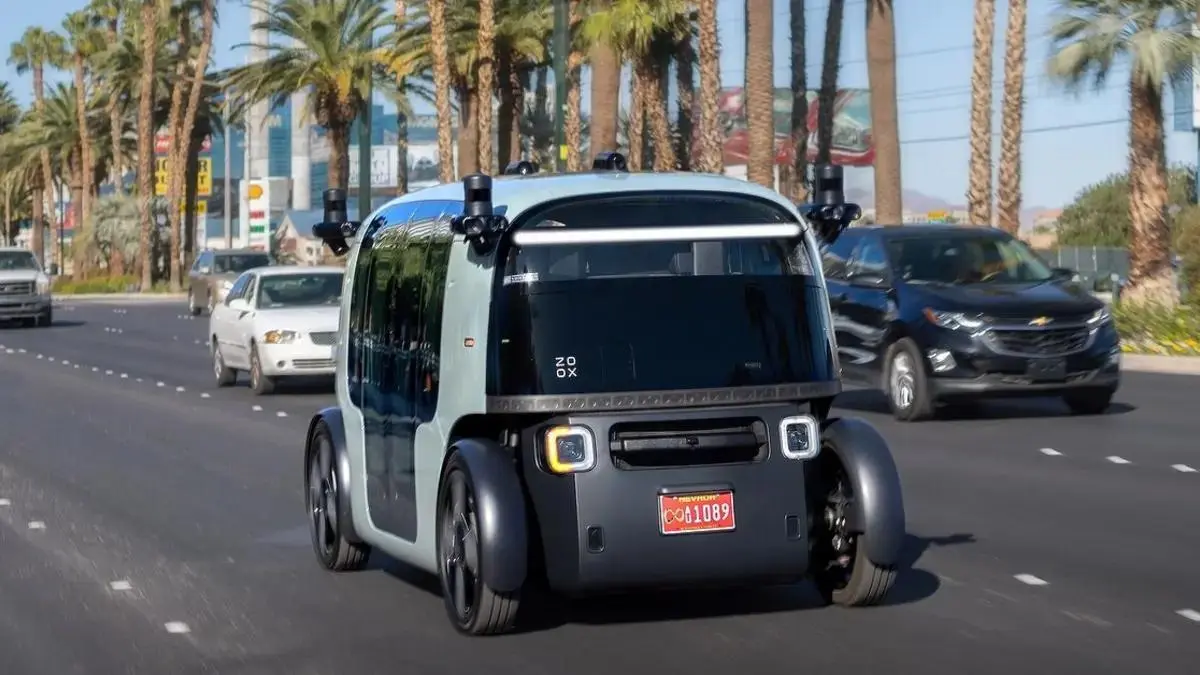
Zoox will initially use retrofitted vehicles with human safety drivers for mapping and testing in Houston and San Diego. Its purpose-built robotaxi, which has no conventional steering wheel or pedals, will come later if testing and regulatory work progress.
The company launched paid service in Las Vegas in August after earlier free public and limited-access programmes.
Houston offers complex highways, heavy traffic, intense rain and large medical and commercial districts. Those conditions can expose weaknesses that are less visible in carefully selected routes.
Why both companies chose San Diego
San Diego is now a direct point of competition. The city has favourable weather, a large tourism economy and substantial demand around airports, universities and coastal districts.
Testing by multiple operators can improve public familiarity, but it also places pressure on city authorities to develop consistent rules for emergency response, traffic violations and blocked roads.
California has strengthened its ability to issue citations involving driverless vehicles. Regulators want companies to respond quickly when police or firefighters need a vehicle moved.
Waymo versus Zoox
Waymo uses modified conventional vehicles fitted with cameras, radar and lidar. Zoox designed a bidirectional vehicle specifically for autonomous ride-hailing.
Waymo currently has the larger commercial footprint and more public rides. Zoox argues that a vehicle built without a driver's position can provide a better passenger layout and lower long-term operating costs.
The comparison will ultimately depend on safety, availability and price. A futuristic cabin does not matter if customers wait too long or vehicles cannot handle common disruptions.
Safety and public trust
Robotaxi companies report safety data showing fewer serious collisions than human drivers in comparable conditions. Critics note that company-selected comparisons may not reflect every road, weather condition or type of incident.
Expansion into new cities creates more useful evidence. Performance must be measured across larger areas rather than a limited zone chosen for favourable conditions.
Companies also need transparent procedures for crashes, software recalls and interactions with emergency services. Public trust can be damaged by a small number of highly visible failures.
Europe is next for Waymo
Waymo plans to begin testing in Munich and is targeting a German commercial launch by late 2027. European streets, regulation and public transport networks create a different challenge from US markets.
Success in Germany could establish a path into other European countries, but local approval will depend on data collected through testing.
What customers should expect
Announcements do not mean a robotaxi will be available everywhere in each city immediately. Service areas are normally limited, waitlists may apply and operating hours can change.
The expansion nevertheless marks a shift from experimental demonstrations toward a national transport business. Waymo and Zoox are no longer proving only that a car can drive itself. They are trying to prove that autonomous fleets can operate reliably across many cities at once.
Source: Reuters robotaxi expansion report.