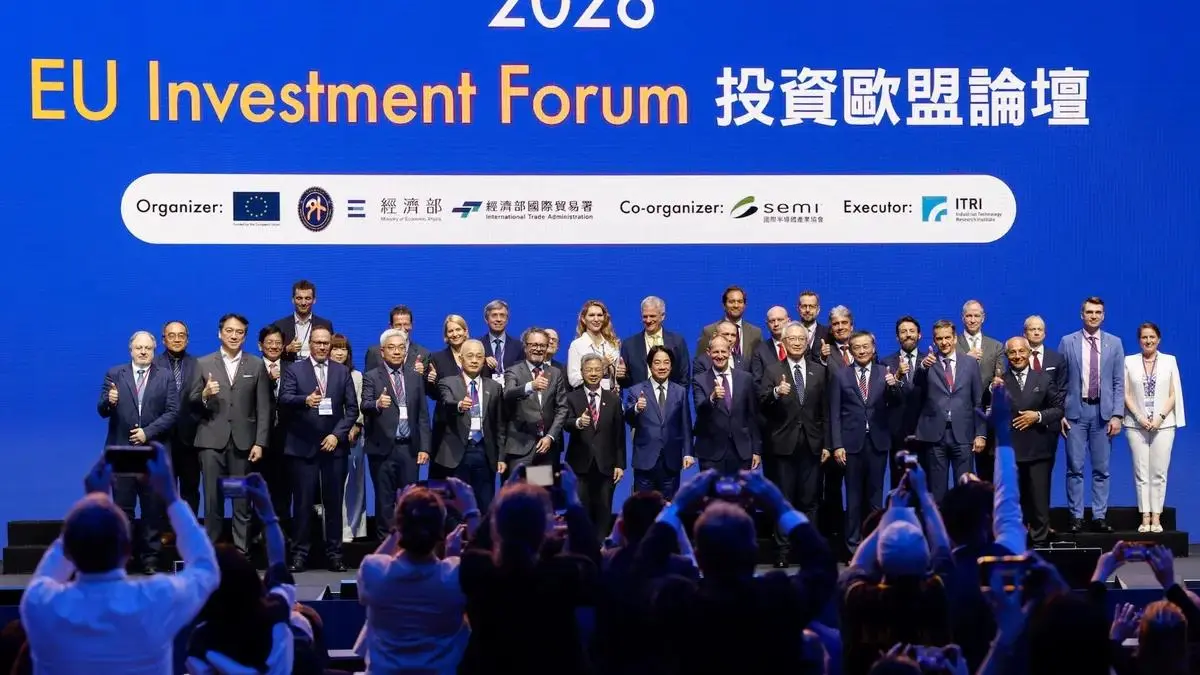
Taiwan is presenting its semiconductor industry as a foundation for deeper partnerships with the United States, Europe and other democratic allies as demand for artificial-intelligence chips reshapes global industrial policy.
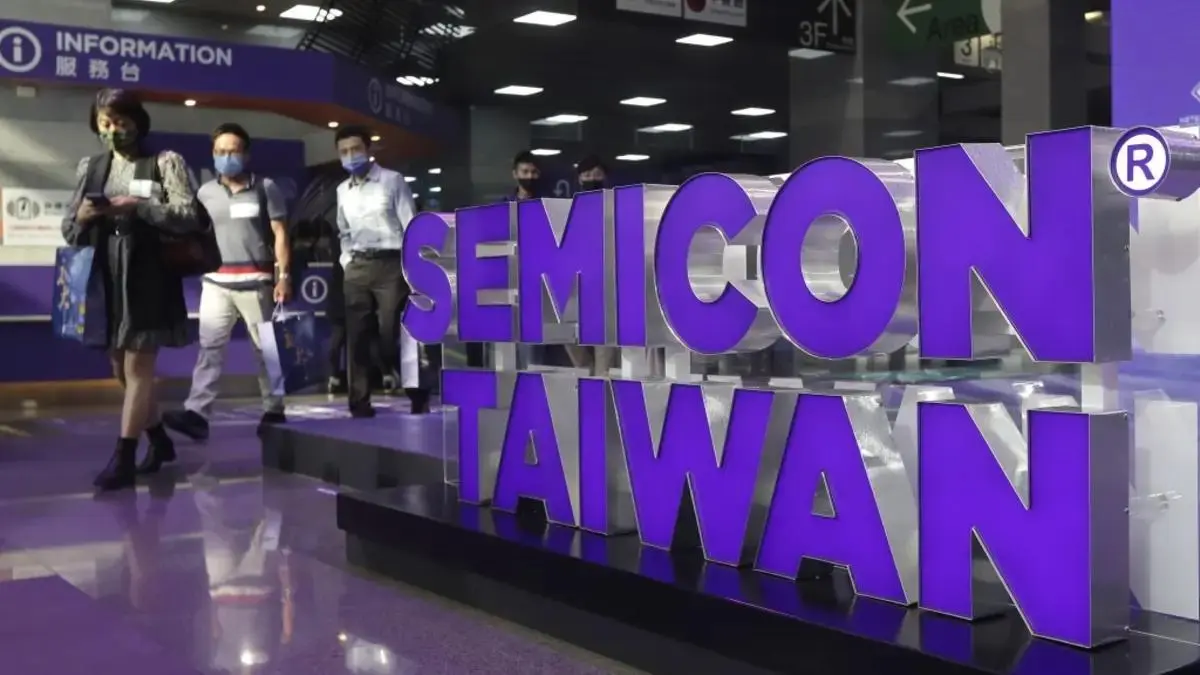
At SEMICON Taiwan, President Lai Ching-te described international expansion by Taiwanese companies as a way to improve resilience and share prosperity. The message comes while Taiwan's partners want greater access to the economic gains created by its chip expertise.
Why Taiwan's chip position matters
Taiwan is home to TSMC, the world's leading contract chipmaker and a critical supplier for advanced AI processors. That concentration gives the island enormous economic importance, but it also creates a perceived supply-chain risk for customers and governments.
Taipei has long used technology partnerships to strengthen unofficial diplomatic ties. Beijing claims Taiwan as Chinese territory and routinely opposes formal international engagement with its government.
Pressure to manufacture more chips overseas
The United States wants a larger share of advanced production located on American soil. TSMC is investing $265 billion in factories in Arizona, according to Reuters.
Taiwan's economy minister also said Taiwanese companies were planning an additional $20 billion of US investment. Europe is pursuing similar goals as it tries to reduce dependence on imported advanced semiconductors.
Why Taiwan is willing to expand
Overseas plants can place production closer to major customers, qualify companies for government incentives and reduce the risk that one disruption affects the entire supply chain.
Taiwan must balance those advantages against concern that moving too much capacity abroad could weaken the industrial ecosystem that makes the island strategically valuable.
The most advanced production depends on far more than one factory. It requires specialist engineers, equipment suppliers, chemicals, packaging, logistics and years of accumulated operational knowledge.
What chip diplomacy could change
Partnerships may lead to more factories, research programmes, workforce training and joint standards. They may also create competition over subsidies, export controls and which countries receive the newest manufacturing processes first.
For AI companies, the outcome matters because access to advanced chips can determine how quickly new models and data centres are built.
What to watch
Investors should distinguish announced spending from factories that are already producing at scale. Construction milestones, equipment installation, customer qualification and production yields reveal more than headline investment totals.