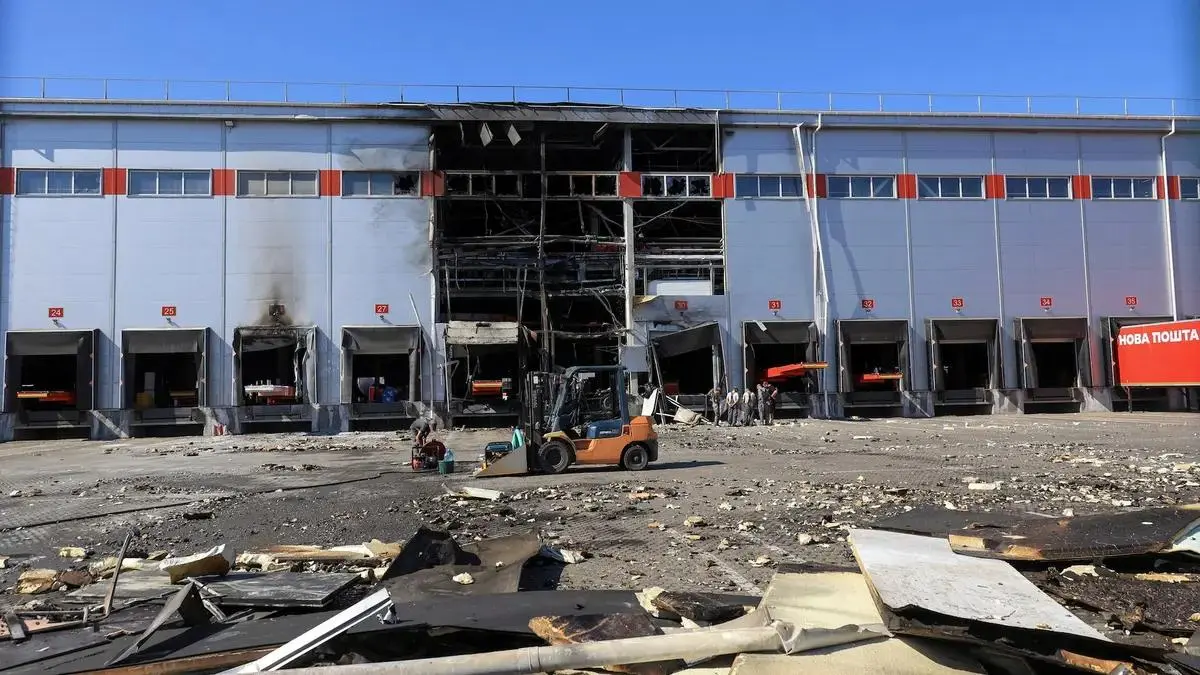
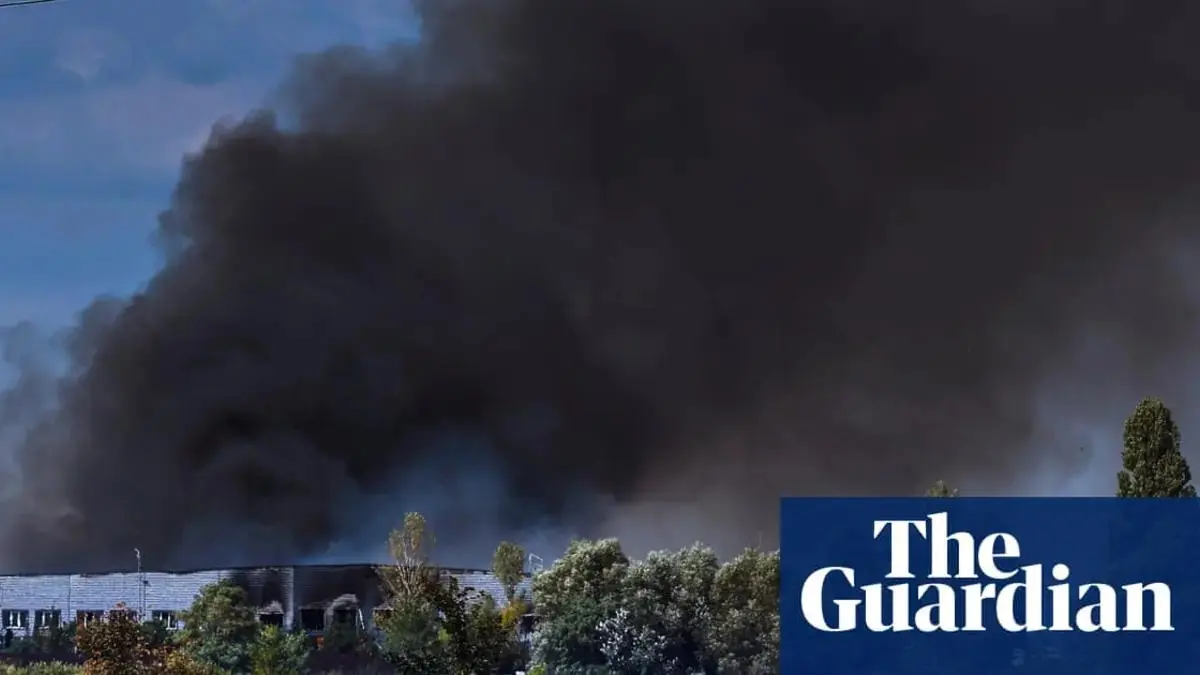
Russian air strikes killed one person and injured two in Kyiv and forced the temporary closure of two bridges across the Dnipro River, city authorities said on October 2. The disruption affected movement between the eastern and western sides of the Ukrainian capital after another night of attacks.
Emergency inspections continued.
The casualty and closure figures are based on official information available at publication time and may be revised as emergency crews complete assessments. Wartime reports should be read with attention to timestamps because transport restrictions can change within hours.
What happened in Kyiv?
Authorities reported damage from an overnight Russian strike, including an attack affecting a southern bridge route. Emergency services responded while the city restricted traffic across two Dnipro crossings.
Bridges are critical to Kyiv because the river divides major residential and business districts. Even a limited closure can redirect large volumes of cars and public transport to alternative crossings, creating congestion far from the damaged area.
Are the bridges permanently closed?
The initial restrictions were operational and security measures, not confirmation that both bridges had been destroyed. Engineers and security personnel must inspect structures, clear debris and determine whether movement can resume safely.
Residents should follow Kyiv city administration and transport-operator notices for reopening information. Navigation apps may lag behind an emergency closure, and routes shown as available can remain restricted by police.
Wider attacks in Ukraine
Reuters also reported Russian strikes beyond the capital, including in southern areas. Ukraine continues to face a mix of missiles and drones, while air-defence activity and falling debris can cause damage even when an incoming weapon is intercepted.
Both the immediate blast zone and secondary infrastructure effects matter. Damage to power, rail, road or communications networks can disrupt civilian life for longer than the visible attack itself.
Travel and safety guidance for Kyiv residents
During an active alert, follow official shelter instructions rather than travelling to inspect damage. After an alert ends:
- avoid damaged buildings, bridge approaches and cordoned roads;
- do not photograph or publish sensitive air-defence locations;
- allow extra time for cross-river journeys;
- confirm public-transport changes through official channels;
- report unexploded debris without touching it.
Foreign visitors should also monitor their embassy's security advice. A reopened road does not mean the wider air-strike risk has ended.
Why the Dnipro crossings matter
Kyiv's bridges connect large population centres and form part of the city's logistics network. Disruption can affect commuters, emergency services and freight at the same time. That gives bridge security both civilian and strategic significance.
The latest strike also demonstrates why urban resilience depends on multiple routes and rapid inspection teams. Restoring traffic safely can be almost as important to daily life as repairing the visible damage.
For related regional coverage, see the report on Russian strikes affecting Odesa and export routes.
Source
Casualty and transport details were checked against Reuters reporting published on October 2, 2026. Local readers should use current Ukrainian official alerts for real-time safety decisions.