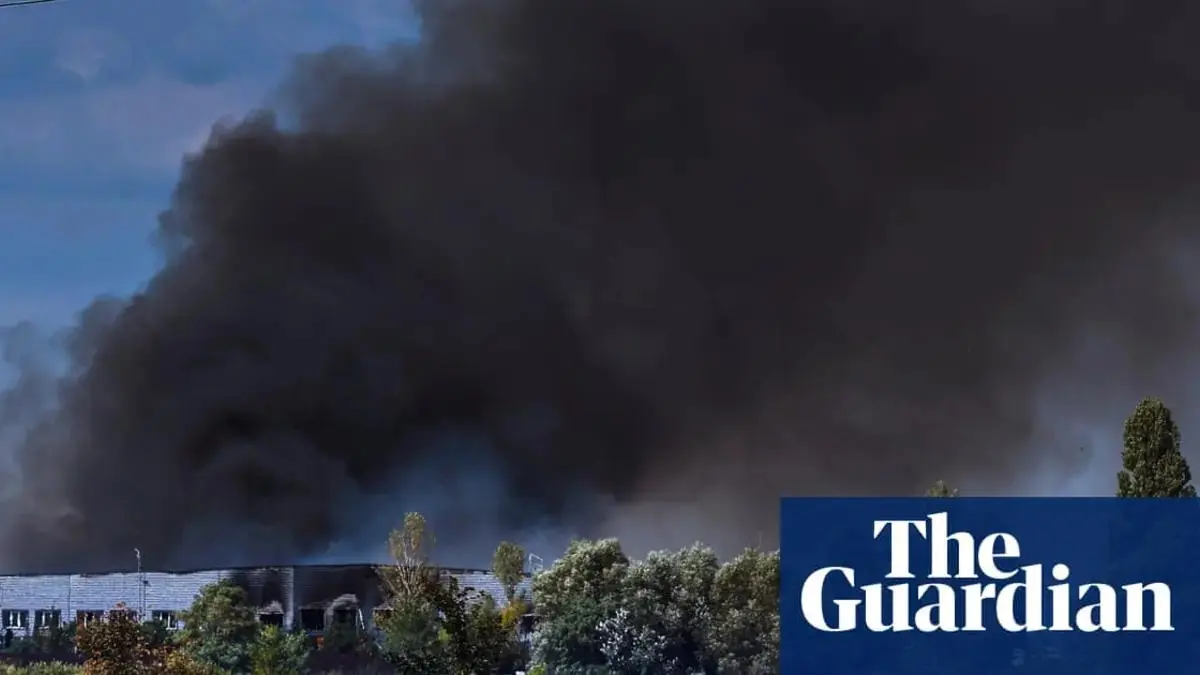
Russian missiles and drones struck Kyiv early on September 8, 2026, according to Ukraine's Military Administration and reporting carried by Reuters. Officials said two people were killed and seven injured, while fires were reported across the capital.
What is confirmed
The attacks came after US peace envoys left Ukraine following talks. Poland also activated military aircraft amid concern about the regional security situation. The Russian defence ministry said its forces targeted military and logistics sites, according to Russian news agencies.
The figures may change as emergency crews inspect damaged areas. Reports about targets, responsibility and the wider military impact should be separated from confirmed casualty information.
Why the timing matters
The strikes underline how quickly diplomatic travel and battlefield events can overlap. A pause around talks did not prevent further attacks, and the incident is likely to complicate attempts to keep negotiations moving.
This article will be updated only when officials or reliable agencies publish verifiable new information.
Source: Reuters morning briefing. Follow world news for verified updates.
What is confirmed and what remains unclear
Early reports after an overnight strike often contain incomplete information. Verified details normally include the location of impacts, emergency-service activity, reported casualties and official statements from local authorities. Claims about the type of weapon, the number of launches or the intended target can take longer to confirm. Readers should be cautious with dramatic videos that lack a time, place or reliable source.
The human impact is immediate even before a full assessment is available. Damage to homes, transport links or power infrastructure can disrupt daily life and create new risks for residents and responders. Local authorities may issue shelter, travel or electricity guidance as inspections continue, so people in affected areas should follow those channels rather than unverified social-media posts.
Why the story matters internationally
Any escalation around a major European city can affect diplomatic messaging, air-defence planning and expectations for the wider conflict. Markets and governments often react to the perceived duration of an attack before investigators have completed their work. That is why a careful report separates confirmed facts from analysis and labels updates as new evidence arrives.
The situation can change rapidly over the next several hours. Readers should look for updates from Ukrainian authorities, emergency services and established newsrooms, and note when a report was published. This article is a factual snapshot of the information available at publication time, not a substitute for live safety instructions.
A practical checklist for following this story
Readers tracking breaking-news reading should separate a confirmed update from a forecast. The most useful evidence usually comes from the organisation directly responsible for the event, a dated filing or a named technical source. Screenshots and short social posts can help locate a story, but they should not replace the underlying announcement. Keeping a note of the publication time also makes it easier to spot when a claim has been repeated without new evidence.
The next questions are practical: what changes for people, companies or teams; which milestone comes next; and which number would prove that the story is moving forward? In this case, that means watching verified statements, casualty updates and safety notices. Those details turn a headline into a useful guide and help readers compare later updates with the baseline described here. They also explain why a cautious article may use phrases such as “announced,” “expected” or “under review” instead of presenting an unconfirmed outcome as fact.
Over the coming days, follow the next official briefings through official channels and reputable reporting. Dates can move, schedules can be revised and early estimates can be corrected. A clear update should identify what has changed, cite the latest source and explain the effect in plain language. That approach keeps the article useful beyond the first news cycle while giving international readers enough context to understand the story in their own market or time zone.