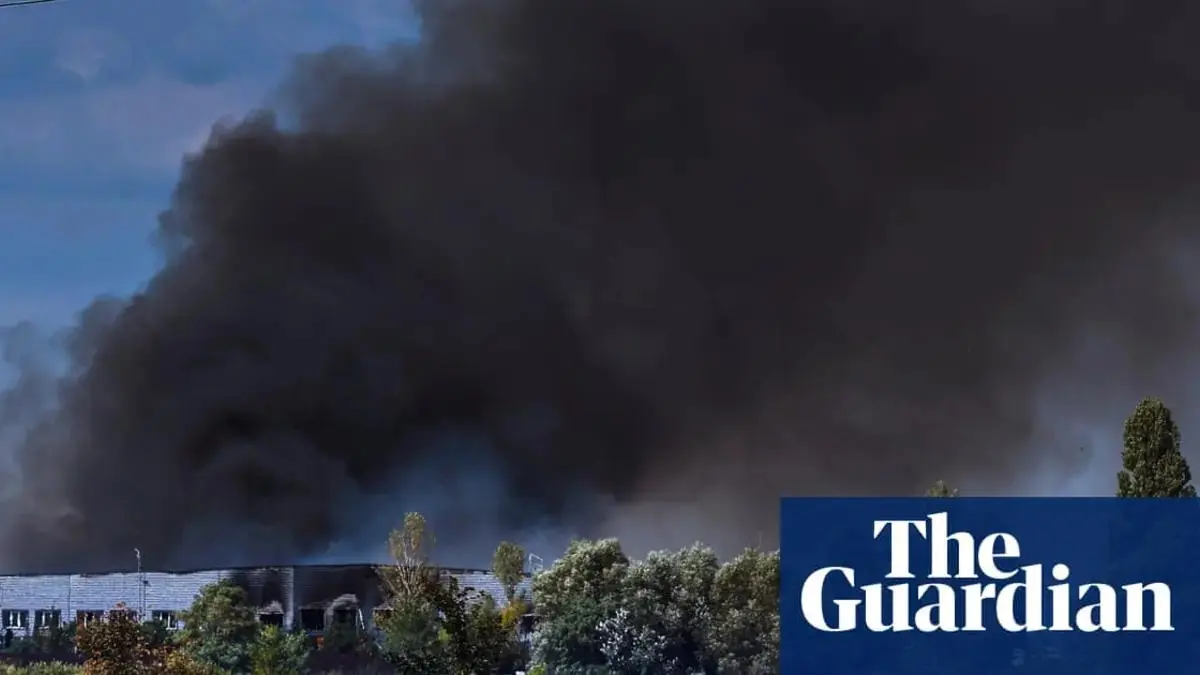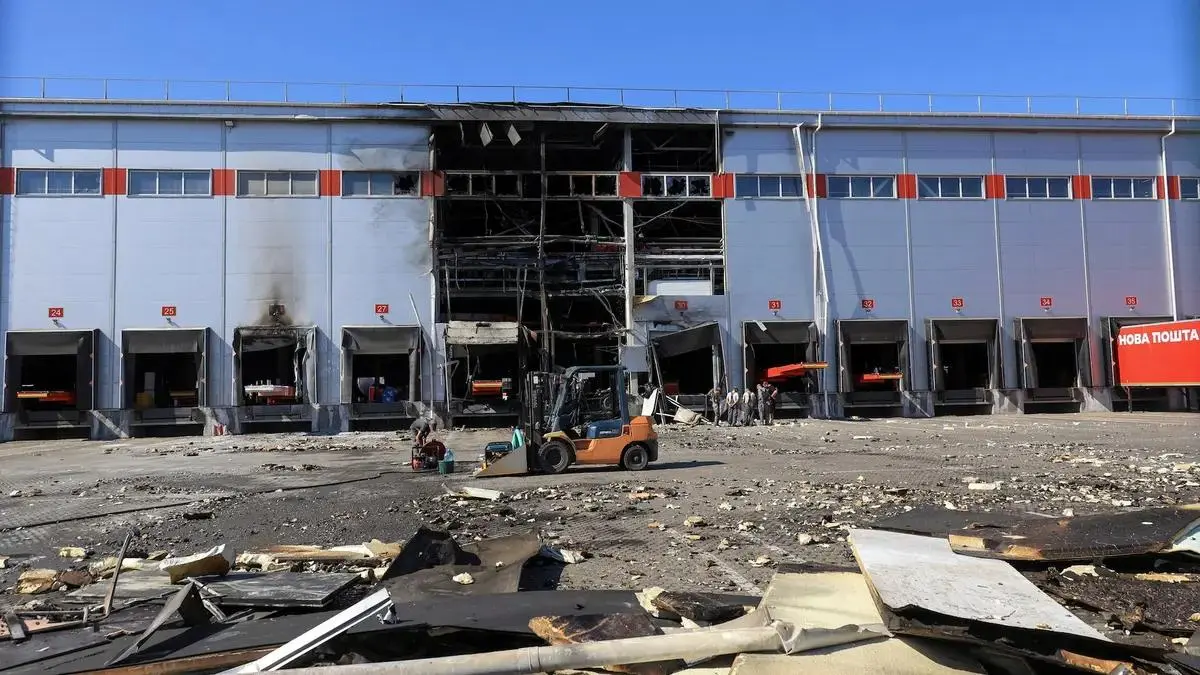
Russian overnight strikes damaged port and export infrastructure in Ukraine's Odesa region and forced the temporary closure of a ferry crossing on the border with Romania, Ukrainian officials said on September 1.
The attack also hit energy infrastructure and caused a fire at a residential building, injuring at least one person, according to Ukraine's emergency service.
The immediate damage is local, but the economic consequences can travel much further. Odesa's Black Sea and Danube facilities are central to Ukrainian agricultural exports, while the Orlivka crossing connects Ukraine directly with NATO-member Romania.
Odesa strike: latest verified facts
- Area attacked: Ukraine's southern Odesa region
- Infrastructure hit: Port, export and energy facilities
- Border site: Orlivka ferry checkpoint with Romania
- Crossing status: Processing temporarily suspended after the strike
- Residential impact: A building caught fire and at least one person was injured
- Main trade routes affected: Black Sea ports, Danube ports and western land crossings
- Wider context: More than 300 air-raid alerts were recorded in Odesa during August
Damage assessments and operational conditions can change quickly. Travellers, freight companies and exporters should follow Ukrainian border and port authorities for current status.
What happened at the Romania border?
Ukraine's border service said Russian forces struck and damaged the Orlivka checkpoint, which handles ferry traffic across the Danube toward Romania.
Processing of citizens and vehicles was temporarily suspended. The crossing is significant because it supports passenger movement and commercial traffic between southwestern Ukraine and Romania.
Any disruption forces vehicles toward alternative crossings, increasing travel time and congestion. Freight operators may also need to change documentation, schedules and onward connections.
Romania is a NATO and European Union member. Ukrainian officials described the attack as hitting infrastructure directly on the border, adding another security concern for neighbouring states even though the strike occurred on Ukrainian territory.
Why Odesa matters for global exports
Before the recent escalation, Ukraine's seaports handled the great majority of the country's exports. Reuters reported that ports now effectively blocked by attacks once carried about 90% of national export volumes.
Ukraine is a major supplier of wheat, corn, sunflower oil and other agricultural commodities. When port capacity falls, cargo must move through smaller Danube facilities or western rail and road crossings.
Those alternatives are valuable but less efficient. Ships on the Danube generally carry less than large Black Sea vessels, while rail transport faces different track gauges, border procedures and limited terminal capacity.
Higher logistics costs reduce the price Ukrainian producers receive and can raise costs for buyers. Countries dependent on imported grain are particularly sensitive to prolonged disruption.
Black Sea ports versus Danube ports
Odesa's main Black Sea ports provide access to high-capacity ocean shipping. The Danube ports of Reni and Izmail offer an alternative route toward Romania and the wider European transport network.
The Danube route became increasingly important after repeated attacks and restrictions affected Black Sea shipping. Cargo can move by river vessel to Romanian ports and then transfer to larger ships.
That system is more complicated and often more expensive than loading directly at a major Ukrainian seaport. It also concentrates activity in facilities that have themselves become targets.
Ukraine's railway operator Ukrzaliznytsia said it increased grain deliveries toward the Danube ports for future export. That helps maintain trade, but repeated air alerts and infrastructure damage complicate railway operations.
How severe were August's air alerts?
A monitoring service recorded more than 300 air-raid alerts in the Odesa region during August, lasting a combined 238 hours.
The total illustrates the operational burden even when a strike does not directly hit a port. During alerts, workers may have to enter shelters, trains can be delayed and loading operations can stop.
Repeated interruptions reduce effective capacity. A terminal that remains physically intact can still process less cargo if crews regularly suspend work for safety.
The psychological burden also matters. Residents and transport workers must operate under near-continuous uncertainty, while companies have difficulty predicting delivery times.
What Russia and Ukraine said
Ukrainian President Volodymyr Zelenskiy said the strike deliberately damaged export infrastructure and the border crossing with Romania.
Russia's defence ministry said its wider overnight attacks targeted military and energy facilities in Kyiv and Odesa. Reuters could not independently verify every battlefield claim from either side.
Responsible coverage should separate confirmed physical effects reported by authorities from claims about targeting intent. The closure of Orlivka and reported damage to export facilities are the immediate operational facts.
Connection with the wider attacks
The Odesa strike occurred during a sixth consecutive day of major Russian attacks on Kyiv and surrounding areas.
Authorities said 12 people were killed in Kyiv and the surrounding region during the overnight barrage. Residential and railway infrastructure were hit, and six railway employees were among those killed.
Ukraine said the attacks included jet-powered drones and ballistic missiles. Newer high-speed drones create additional challenges for air-defence systems designed around slower targets.
Ukraine has also increased strikes against Russian oil and logistics facilities. Russian regional officials reported a fire in the port area of Ust-Luga and damage in the Samara region.
Could food prices rise?
One strike does not automatically change global food prices. The effect depends on the duration of port closures, existing grain stocks, insurance costs and supply from other exporters.
Prolonged disruption can still create upward pressure by making Ukrainian supply harder and more expensive to move. Markets may react to risk before physical shortages appear.
Shipping insurance is especially important. Repeated attacks can increase premiums or discourage vessels from entering threatened areas. Exporters then face higher costs even if a berth remains operational.
Global buyers also respond by seeking grain from other countries, which can shift trade flows and regional prices.
What this means for travellers and freight
People planning to use the Orlivka ferry crossing should not travel without checking its operational status.
Useful steps include:
- Consult Ukraine's State Border Guard Service updates
- Confirm ferry operations directly
- Identify an alternative Romania crossing
- Allow additional time for queues
- Follow official air-alert instructions
- Avoid damaged or restricted infrastructure
Commercial operators should confirm customs procedures before redirecting cargo. A route change can affect transit documents, driver hours and delivery commitments.
Why Romania is watching closely
Romania has supported Ukrainian export routes through its ports, railways and the Danube. It also shares a long border with Ukraine and has repeatedly monitored aerial threats near its territory.
Disruption at Orlivka affects cross-border movement and increases pressure on other Romanian entry points. Attacks near the frontier also require Romanian authorities to assess airspace and public-safety risks.
There was no indication in the initial report that Romanian territory had been struck in this incident. The confirmed damage was at the Ukrainian checkpoint.
Can Ukraine keep exports moving?
Ukraine has repeatedly adapted its logistics since the full-scale invasion began in 2022.
Exporters have expanded Danube shipping, used rail corridors and coordinated with European neighbours. These systems prevent a complete halt, but they cannot always match the speed and cost of normal Black Sea operations.
The next phase depends on repair time, air-defence coverage and whether attacks continue. Temporary closures can be absorbed; sustained damage across several routes creates a much larger economic problem.
What happens next
Ukrainian authorities will assess damage at the ports, energy sites and Orlivka crossing. The border service will decide when processing can safely resume.
Rail and port operators will continue redirecting cargo where capacity is available. International markets will watch shipping movements and insurance conditions for evidence of a longer interruption.
The attack is another reminder that infrastructure far from the front line remains central to the war. Ports, railways and border checkpoints determine not only military resilience but also Ukraine's ability to earn export revenue and supply global food markets.
Sources
- Reuters: Russia hits port export facilities in Ukraine's Odesa region, September 1, 2026
- Reuters: Russian air attacks kill 12 in Kyiv region, September 1, 2026
- Statements from Ukraine's border service, emergency service and Ukrzaliznytsia reported by Reuters