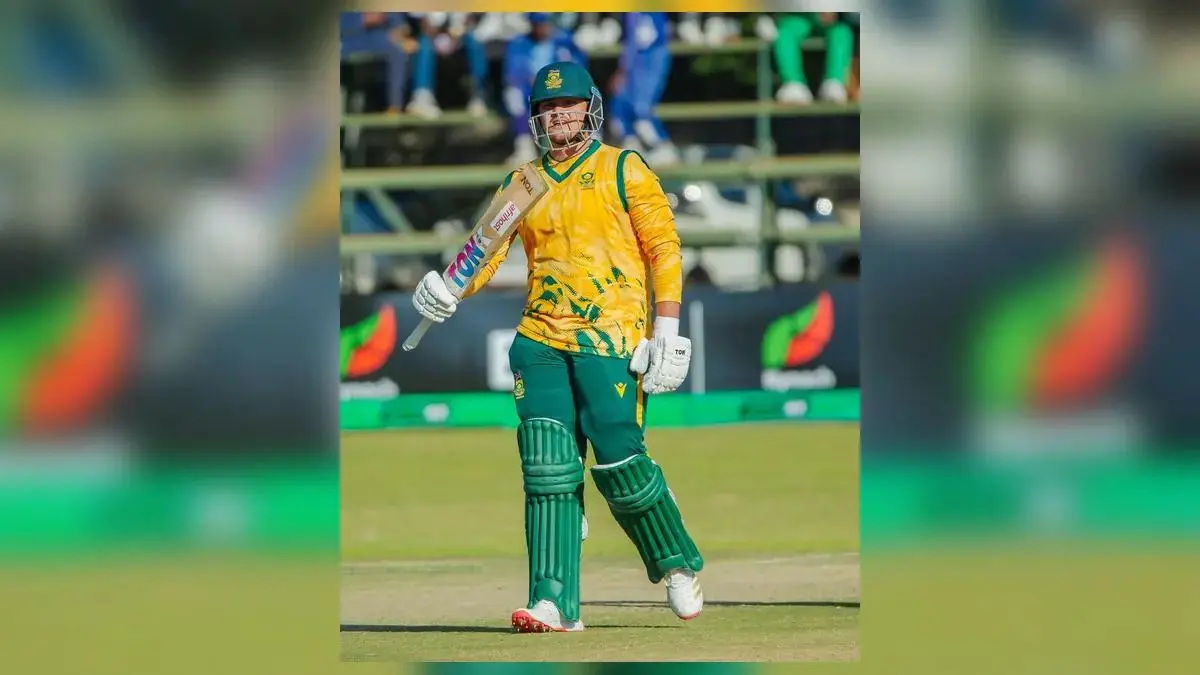
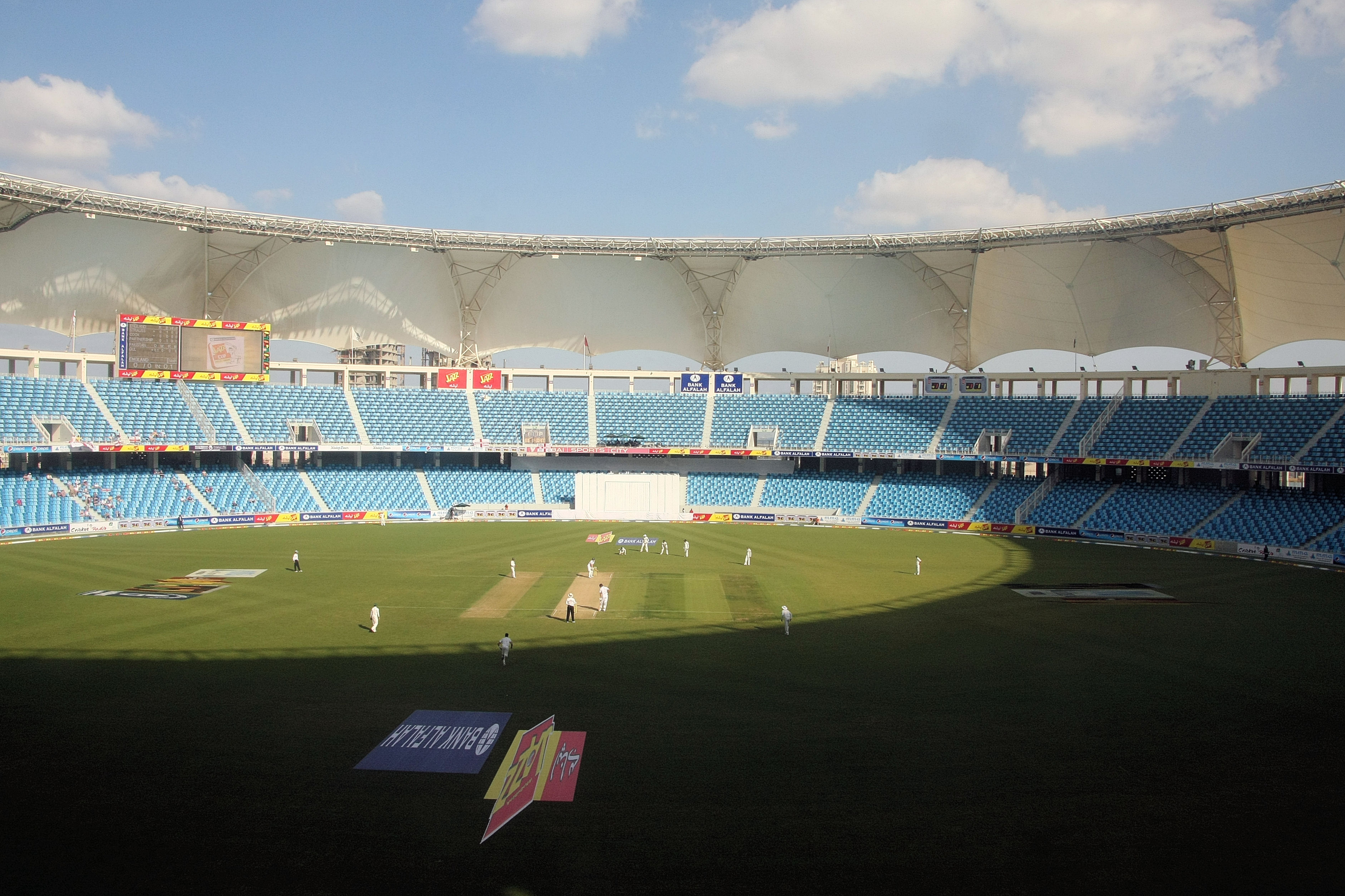
A useful six-match test in Windhoek
Namibia, South Africa and Zimbabwe begin a compact T20 International tri-series in Windhoek on August 28, bringing together the three African co-hosts of the 2027 men’s Cricket World Cup. The tournament runs until September 6 and gives all three teams meaningful short-format cricket in the same conditions.
The ICC’s official tournament guide confirms a double round-robin format. Each team plays the other two twice, creating six league matches, before the top two meet in the final. Every game is scheduled for the Namibia Cricket Ground in Windhoek.
That structure makes the early matches important without making one defeat fatal. A side that loses its opener still has four league opportunities to recover, but net run rate can become decisive if teams finish level on points.
Why the series matters to all three teams
For Namibia, the series is a chance to play higher-ranked neighbours at home and test combinations against different styles. Familiarity with the ground is an advantage, but it also creates pressure: the hosts will expect to compete rather than simply collect experience.
South Africa can use the tournament to broaden its T20 pool and examine players outside an established first-choice XI. Short tours are valuable for testing roles—powerplay bowling, middle-overs hitting and death-over execution—because every player receives repeated exposure in a small window.
Zimbabwe arrive with similar incentives. They can build continuity against two opponents they may meet regularly as preparations accelerate for 2027. The tri-series also offers a clear measure of progress: performances can be compared across the same venue and within days of one another.
The format and qualification equation
League points determine the two finalists. In a typical T20 table, a win brings two points and a no-result one, while net run rate separates tied teams. Supporters should check the competition’s live table after every match because a large victory can influence qualification almost as much as a narrow loss.
The double round robin also reduces the effect of the toss. Teams will see how the pitch behaves at different times and can adjust after their first meeting. A bowling plan that fails in game one may be completely reworked for the return match.
Players and tactical areas to watch
The most revealing battle may be in the powerplay. Windhoek conditions can reward disciplined seam bowling, while T20 sides still need enough early intent to avoid leaving too much for the final overs. Teams that lose two or three wickets inside the first six overs will have to decide whether to rebuild or continue attacking.
Death bowling is the other obvious test. Yorker accuracy, slower-ball control and boundary placement become especially important in a short league where net run rate matters. Captains will also learn how much pace-off bowling the surface can support.
Where to follow the matches
The ICC guide lists regional broadcast and streaming information, which can vary by country. Match times should be checked against the official schedule because local and international listings may use different time zones.
The series is short, but it has long-term value. Namibia, South Africa and Zimbabwe are not only playing for a trophy in Windhoek; they are gathering information about depth, roles and pressure situations before a home-continent World Cup cycle gathers speed.
See more schedules and match coverage in our Cricket section.