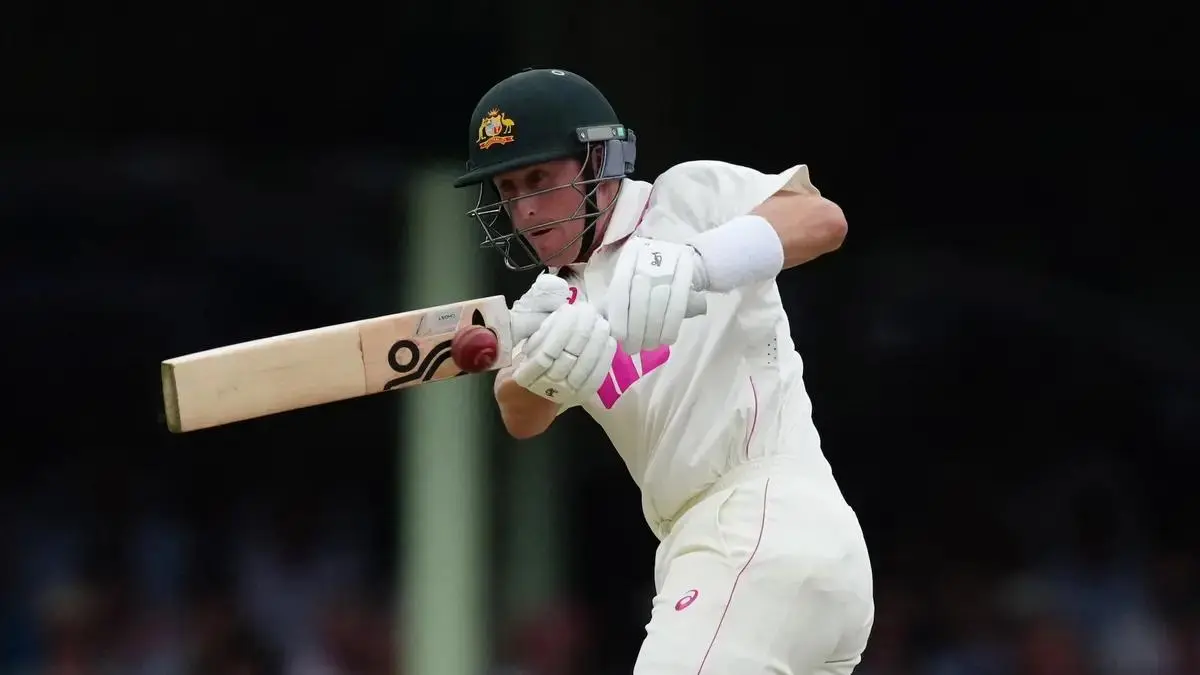
South Africa's pace attack gave the first Test against Australia a sharp opening at Kingsmead, reducing the visitors' batting room and placing the home side in the stronger early position. The headline was not simply a cluster of wickets. It was the way South Africa kept returning to a full length, asked Australia's batters to play and made the Durban surface matter.
Anrich Nortje, back in Test cricket after a long absence from the format, removed Alex Carey and Beau Webster in the same over. The ICC's day-one report described a disciplined collective effort rather than a one-bowler burst, an important distinction in a five-day match.
Why the opening day mattered
This is South Africa's first home Test since beating Australia in the World Test Championship final at Lord's in 2025. That history gives the series an edge, but the current championship points are more useful than the backstory. A three-Test contest leaves little time to recover from a poor first innings.
Australia arrived with batting depth and the experience to absorb difficult sessions. South Africa's task was therefore to prevent partnerships rather than chase a dramatic delivery every over. Early movement helped, yet the hosts still had to hold their line when the ball softened.
The Cricket Australia match guide confirms the Test runs from October 9 to 13, with the series continuing in Gqeberha and Cape Town. That schedule makes workload management almost as important as the first-day score.
Nortje's return changes the attack
Nortje's pace gives captain Temba Bavuma a different option from conventional swing and seam. He can attack the stumps at speed, use the short ball as a surprise and create hurried decisions even when the surface becomes less responsive.
His double strike was valuable because Carey can change a match quickly from the middle order, while Webster is capable of stretching an innings alongside the tail. Removing both before either could settle kept Australia from turning survival into momentum.
South Africa still need to manage Nortje carefully. A Test return is not judged by one spell, and repeated high-intensity spells over five days place different demands on a fast bowler than limited-overs cricket.
What Australia need next
Australia's immediate route back is straightforward: make South Africa bat for a long time and refuse to let the match accelerate. Even a modest first-innings total can remain competitive at Kingsmead if the new ball continues to move.
The visitors will also look for their own seamers to copy South Africa's method—make the batter play, use the crease and avoid wasting the helpful conditions. A low-scoring Test can change direction in one partnership, so the first session of South Africa's reply may be more decisive than the raw day-one advantage suggests.
Readers following the wider international calendar can also see MatchUpWorld's latest cricket coverage, while the site's sports section tracks the major events around the world.
The bigger series picture
The ICC preview framed the contest as a fresh World Test Championship challenge for Bavuma's side. South Africa want to show that the Lord's win was part of a sustainable Test identity; Australia want to reassert their control away from home.
Day one supplied an answer only to the first question: South Africa's fast bowlers were ready. Converting that start requires runs, patient field settings and enough energy left for Australia's second innings.
Sources: ICC day-one report, ICC series preview, Cricket Australia match guide.