A failure in the US air-traffic telecommunications system, followed by accidental damage to a backup fibre line, contributed to a major travel disruption affecting roughly 9,500 delayed or cancelled flights. The incident hit some of the country's busiest airspace and revived questions about the resilience of ageing aviation infrastructure.
For passengers, the most important point is that the disruption was not caused by one simple nationwide shutdown. It involved a sequence of communications problems, a switch to backup capacity and then damage to that backup route—exactly the kind of layered failure a redundant system is supposed to prevent.
FAA outage key facts
- Error messages on a telecommunications circuit led the FAA to shift traffic to backup fibre.
- A New Jersey Transit contractor later cut the backup cable near New Brunswick, New Jersey.
- About 9,500 US flights were delayed or cancelled during the disruption.
- Airports serving New York, Philadelphia, Boston and Washington were among those affected.
- The event adds urgency to the FAA's multi-year air-traffic-control modernisation programme.
What happened
The FAA said a series of error messages on Sunday prompted a move away from the primary telecommunications circuit and onto a backup fibre connection. On Monday, a contractor working for New Jersey Transit accidentally damaged that backup line near New Brunswick.
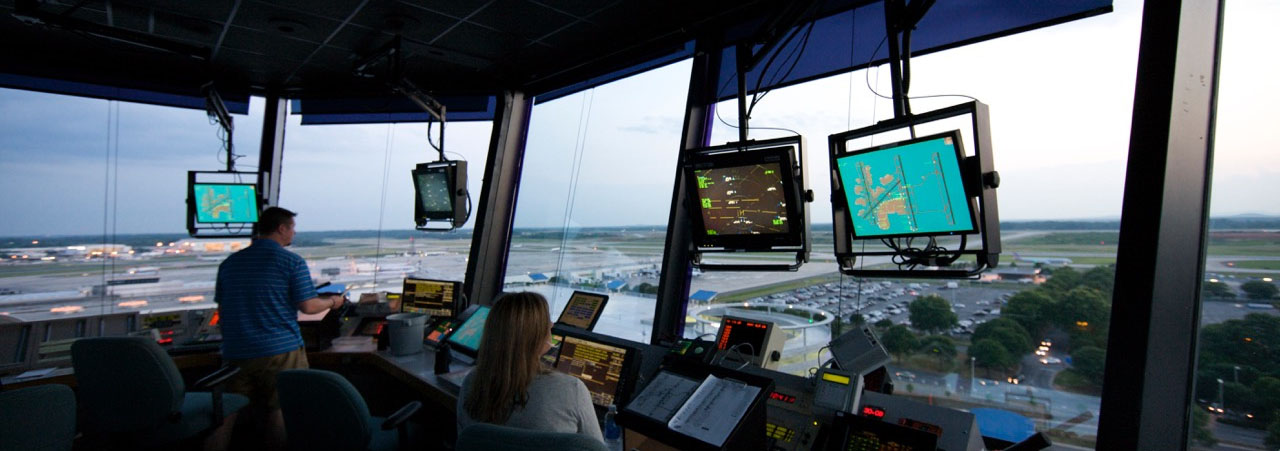
When communications capacity becomes constrained, the FAA cannot simply allow normal traffic levels to continue. Controllers and traffic managers may slow departures, increase spacing or issue ground stops to keep the system within safe operating limits. Those restrictions then spread through airline networks as aircraft and crews arrive late for later flights.
That is why a regional infrastructure problem can create disruption hundreds or thousands of kilometres away. A plane delayed in New York may be scheduled to operate another route from Chicago or Florida later the same day.
Why redundancy did not prevent the disruption
Backup systems reduce risk only when they are independent and available at the moment they are needed. In this case, the primary circuit showed problems and the backup fibre was subsequently cut. The sequence exposed how physical routes, contractors and older network components can become shared points of failure.
The incident does not mean the entire US airspace system stopped working. Air-traffic control continued under restrictions, with safety taking priority over schedule performance. That distinction matters: delays and cancellations are operational protections when communications capacity is degraded.
What the FAA is changing
The United States is already funding a large modernisation effort. Congress has approved $12.5 billion, while the full upgrade has been estimated at about $27 billion, leaving additional funding needs. Replacing old copper connections with fibre is one important part of the work, but resilience also requires diverse routing, modern radios, updated radar and automation systems, cybersecurity and trained staff.
The FAA's official air-traffic-control modernisation update describes its wider programme and new technology work. The agency's target for completing the copper-to-fibre transition is September 2027, although fibre alone cannot eliminate every construction accident or equipment failure.
Travellers should also separate this event from airport security policy. For related coverage, see our report on private security screeners at US airports.
What passengers should do during an FAA disruption
Check the airline's own app first because it has the most current status for a specific aircraft and crew. Then review the FAA's public airport-status information and avoid relying only on a flight-tracking estimate. If a cancellation occurs, save receipts and read the airline's rebooking and reimbursement rules for the exact itinerary.
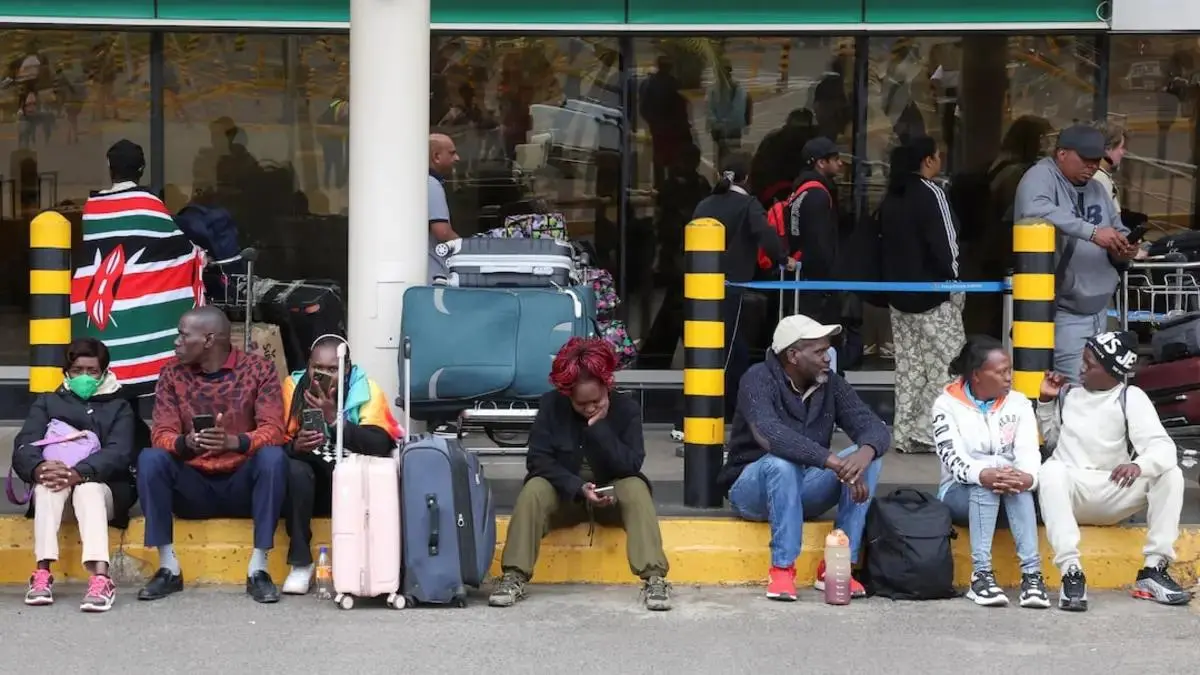
Passengers travelling through the Northeast should also allow extra connection time after a major event. Even after the technical problem is resolved, aircraft and crews may remain out of position for several hours.
What happens next
Investigators and infrastructure operators will examine why the original circuit generated errors, how the backup route was protected and whether contractor controls need to change. Policymakers will focus on the remaining funding gap and the timetable for replacing legacy equipment.
The lasting test is not whether every cable cut can be prevented. It is whether a single physical incident can be isolated without producing disruption across several major airport regions.
Frequently asked questions
Was US airspace completely closed?
No. The system operated with restrictions, which led to extensive delays and cancellations while safety margins were protected.
How many flights were affected?
Approximately 9,500 flights were delayed or cancelled during the disruption.
Are flights operating normally now?
Conditions can change by airport and airline. Travellers should check their carrier and the FAA's official status information before leaving for the airport.