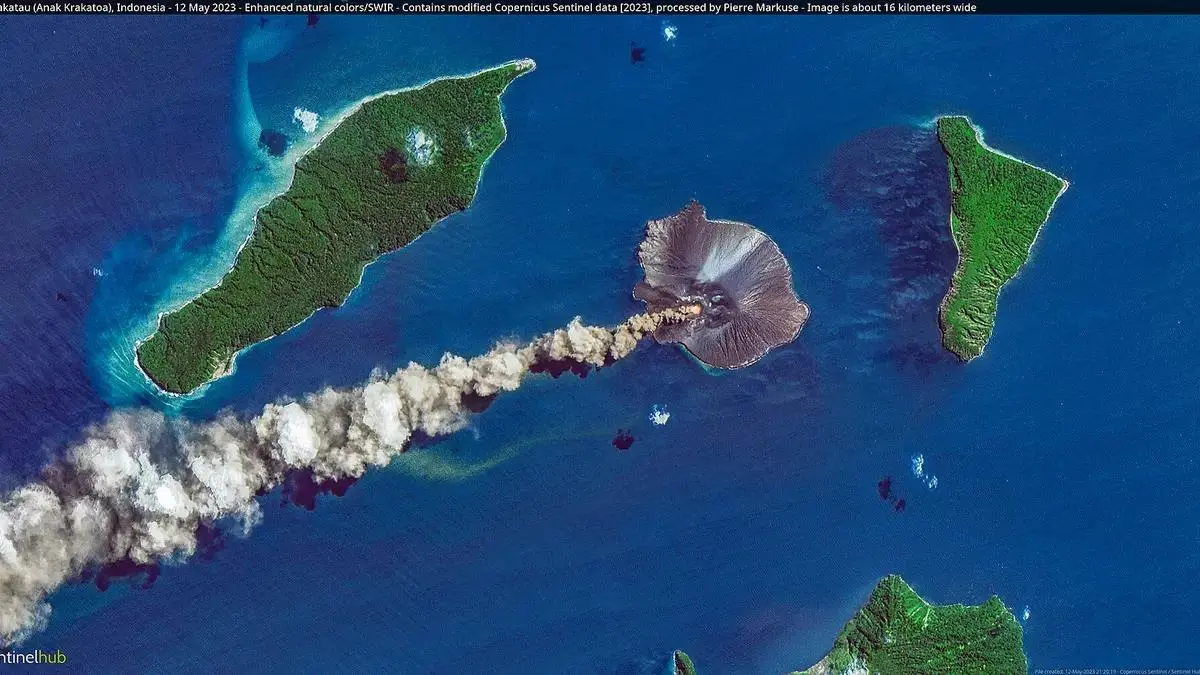
Indonesia's Anak Krakatau eruption forced a temporary halt to operations at Soekarno-Hatta International Airport on Sunday, September 6, after volcanic ash was detected near Jakarta's main aviation hub.
The disruption affected 209 flights, including international services, according to Indonesia's transport ministry. The airport extended its suspension until 9:30 a.m. local time (02:30 GMT), making the event immediately relevant to travelers connecting through one of Southeast Asia's busiest gateways.
What authorities have confirmed
Anak Krakatau had been erupting since late Friday. Indonesia's meteorological agency, BMKG, detected ash reaching about 20,000 feet on the Java side and a plume as high as 50,000 feet over parts of Sumatra and Banten.
Schools in affected areas cancelled some activities, residents reported eye irritation and fishermen stayed ashore. Indonesia's disaster agency, BNPB, advised people exposed to ash to use masks and eye protection, limit outdoor activity, cover water supplies and drive carefully because visibility may fall.
BNPB said there was no imminent tsunami threat. That point matters because the volcano's 2018 collapse triggered a deadly tsunami, but officials have not reported the same condition in this episode.
What passengers should do
Anyone booked through Jakarta should check the airline's app and the airport's official channels before leaving for the terminal. Ash clouds can change direction quickly, so a flight shown as on time several hours earlier may still be delayed, diverted or cancelled.
Travelers should keep boarding passes, receipts and airline messages. Those records can be important for rebooking, insurance or accommodation claims. Passengers connecting onward should also verify whether a replacement itinerary leaves enough time for immigration and baggage transfer.
Why volcanic ash stops flights
Fine ash can damage jet engines, reduce visibility and contaminate aircraft systems. Airlines and aviation authorities therefore use conservative safety limits even when the sky appears clear from the ground.
Anak Krakatau sits between Java and Sumatra on the Pacific Ring of Fire. The eruption remains a developing operational event, so readers should rely on official airport and disaster-agency notices instead of unverified social posts.