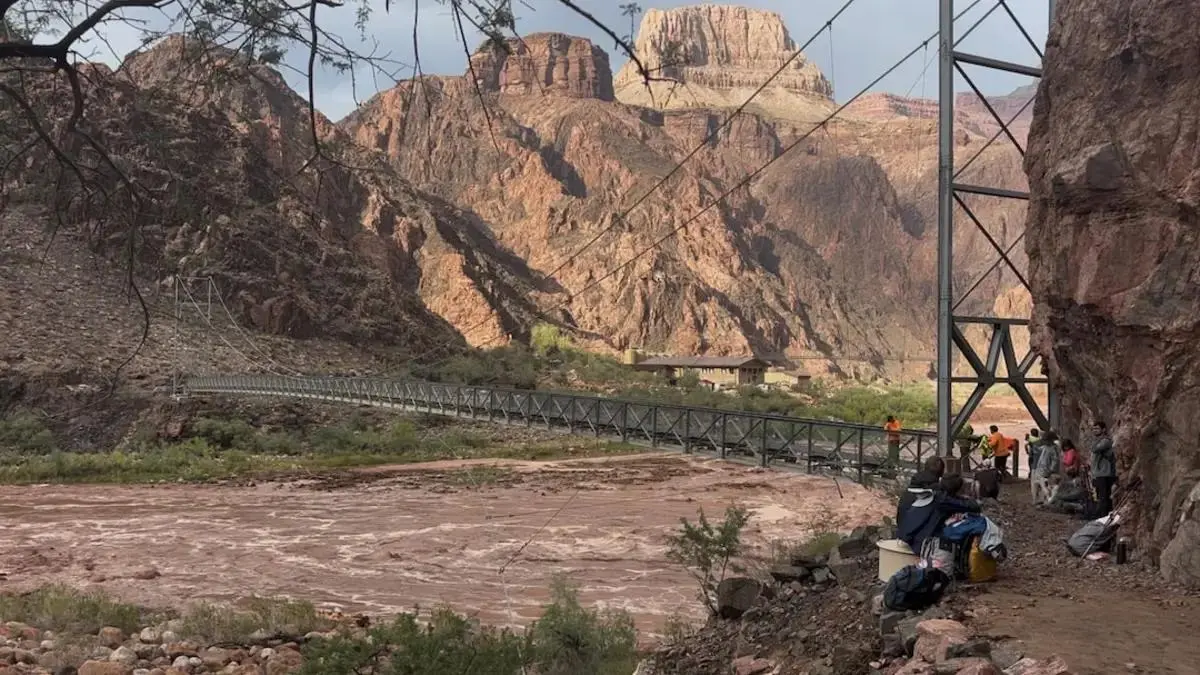
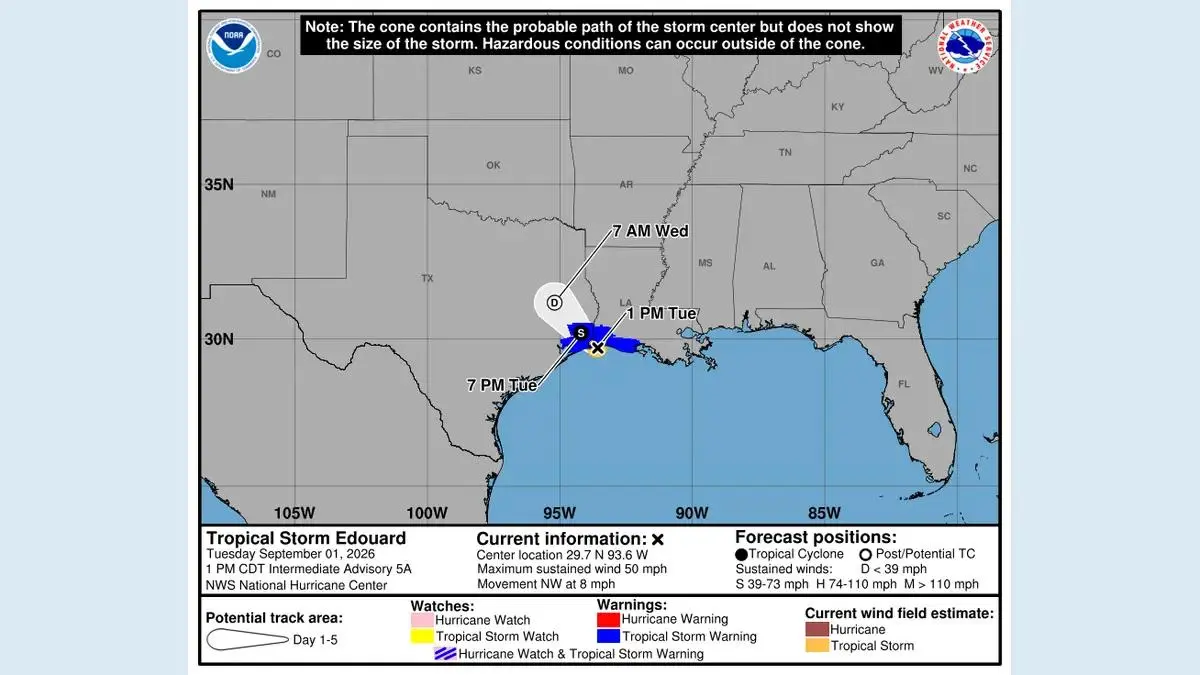
Flash floods are dangerous because the gap between heavy rain and fast-moving water can be extremely short. Unlike a slow river flood that develops over days, runoff can collect in streets, dry channels and steep valleys within minutes. Warning systems therefore combine forecasts with real-time evidence and update the public as conditions change.
The exact alert names vary between countries, but the central distinction is widely useful: a watch means flooding is possible, while a warning means it is occurring, imminent or strongly indicated.
Forecasters begin before the first drop
Weather agencies monitor atmospheric conditions that can produce intense rain. Moisture, storm movement, terrain and soil saturation all influence the risk. A moderate storm over already soaked ground can be more dangerous than a stronger storm after a dry period.
Forecast models identify broad risk areas, but flash floods are often too local for a model alone to pinpoint. That is why meteorologists keep watching radar, satellite data, lightning, rain gauges and reports from emergency services after storms begin.
Radar shows rain, not water on every street
Weather radar estimates where precipitation is falling and how intense it is. Forecasters compare those estimates with thresholds for a particular basin or neighbourhood. Mountain slopes, paved cities and wildfire burn scars can send water downhill unusually quickly.
Radar has limits. Buildings and terrain can block or distort signals, and the amount of rain reaching the ground may differ from the estimate. Ground gauges and trusted local reports help confirm what the radar suggests.
River gauges and sensors add real-world evidence
Water-level gauges track how quickly streams and rivers rise. Some communities also use road sensors, cameras and automated rain stations. A rapid increase can trigger alarms or strengthen the case for a warning.
Yet a gauge may be downstream from the first danger. A narrow drainage channel can overflow before a major river responds. Forecasters must sometimes warn based on rainfall and terrain rather than wait for a measured flood.
Watch, warning and emergency are not interchangeable
A flood or flash-flood watch is a prompt to prepare: charge phones, review routes and monitor official updates. A warning requires action in the affected area. Some agencies use a higher-tier “flash flood emergency” for an exceptionally severe, life-threatening situation with major impacts underway or expected.
The message should identify the location, timing and recommended response. People should not rely only on the label; the instruction inside the alert is more important.
Why driving is the biggest trap
Water depth is difficult to judge at night or on an unfamiliar road. Flowing water can hide a washed-out surface, move a vehicle or trap its doors. Barriers may be placed before flooding is visible at the crossing because conditions upstream are worsening.
The safest response is to turn around and choose higher ground. Walking through moving floodwater is also dangerous because drains, debris and strong currents may be hidden beneath the surface.
Why a warning can arrive after flooding starts
The most intense part of a storm can form quickly between observation cycles. Reports may also take time to reach forecasters. This does not make the warning useless: floodwater can continue moving downstream, and a late alert for one neighbourhood may still provide critical time elsewhere.
People in flood-prone areas should treat rapidly rising water, repeated thunderstorm training and official watch messages as reasons to prepare before a warning tone sounds.
The bottom line
Flash-flood warnings are built from forecasts, radar, gauges, terrain data and real-world reports. Because conditions can change faster than any single sensor, alerts are updated as new evidence arrives. Know the difference between a watch and warning, keep more than one alert channel enabled and move to higher ground rather than trying to cross floodwater. Learn how mass alerts reach devices in our guide to emergency phone warnings, and find more verified explainers in News.