The first deadline changes everything
Fantasy Premier League managers enter Gameweek 2 with the first real evidence of how new signings, formations and rotation patterns are working. That makes the opening transfer window tempting, but one good or bad match is not automatically a change in a player’s long-term role.
Players attracting attention
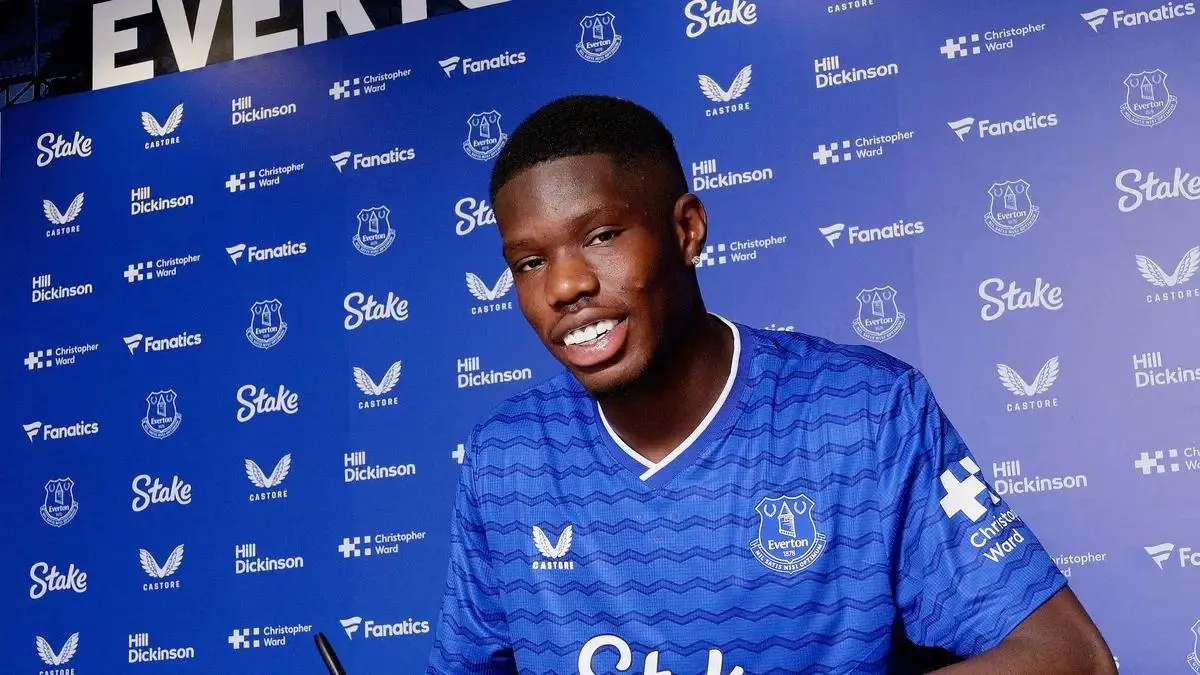
Early transfer activity has focused on players such as Maxim De Cuyper, Mamadou Sangaré, João Pedro, Riccardo Calafiori and Michael Kayode. The appeal is understandable: each offers some combination of price, attacking involvement, defensive upside or a promising role. Popularity, however, is not certainty.
Stick or twist?
The safest question is not ‘who scored last week?’ but ‘why did this player score?’ A penalty, deflection or late substitute appearance tells a different story from a player who repeatedly found dangerous positions. Managers should also check minutes, set pieces, fixture difficulty and whether the role is secure.
The early-season trap
Taking multiple hits simply because the first week looked surprising can leave a team chasing points. The better approach is to use the first few matches to confirm trends. A new signing who starts, plays substantial minutes and remains involved around the box is more interesting than a bench player who happened to score.
What the development means
The useful way to read this development is to separate the headline from the practical detail. The headline gives the reason the story is attracting attention, but the underlying change is usually narrower than the first impression suggests. For readers, the most important question is what has actually changed, who is affected and what remains unchanged. Those distinctions matter because early reports can make a new announcement sound broader than it really is.
For people following FPL 2026-27 Gameweek 2, the next stage will be about implementation rather than the announcement alone. A policy, court order, service change or company decision can look significant on paper and still take time to affect ordinary users. Conversely, a relatively small operational change can matter quickly if it touches a large audience. That is why the details around timing, eligibility and scope are worth following alongside the headline.
Another reason this story deserves attention is the wider context. Developments rarely happen in isolation. The issue connects with questions around public policy, consumer experience, regulation, business decisions or institutional processes, depending on the subject. Looking at that context makes it easier to understand why the story matters without turning every new development into a prediction.
For now, the clearest takeaway is the information that is confirmed in the current report. Readers should be cautious about treating speculation, social-media claims or possible future changes as settled facts. If the situation develops, the most useful updates will be those that add a concrete date, official decision, new figure or clearly defined change. That gives readers something measurable to compare with what was known before.
What to keep in context
The clearest reading of FPL 2026-27 Gameweek 2 will come from confirmed information rather than assumptions. As more details become available, dates, official statements, results and measurable changes will provide the best basis for judging what happens next.