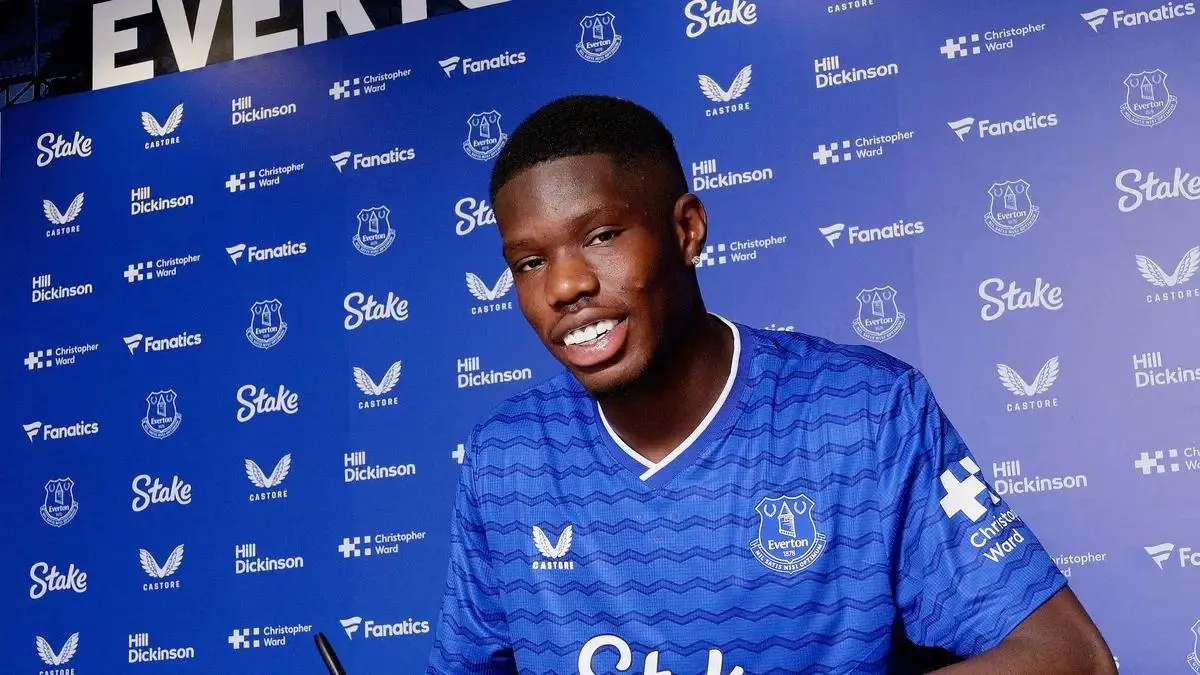
Everton have emerged from transfer deadline day with only one recognised senior striker after a proposed £40 million move for United States international Folarin Balogun collapsed during the final negotiations.
The club submitted a deal sheet and continued talks with Monaco late into the window, but Balogun ultimately withdrew from the transfer. Everton also failed in approaches involving Joshua Zirkzee and Tammy Abraham, leaving Thierno Barry as David Moyes's main centre-forward for the first half of the season.
The outcome is especially damaging because Everton had already sold Beto to Fiorentina and Iliman Ndiaye to Manchester City.
What happened to the Balogun deal?
Everton's attempt reached an advanced stage. The club and Monaco were renegotiating terms close to the deadline, and the submission of a deal sheet provided additional time to complete formalities. That mechanism can extend the process when clubs have reached sufficient agreement before the window shuts.
However, a transfer still requires agreement from the player. Balogun's decision not to proceed ended the move regardless of the work completed between the clubs.
The failure illustrates why deadline-day deals carry unusual risk. Medical checks, personal terms, agent agreements, payment schedules and registration documents all have to align within hours. One unresolved issue can leave a squad weaker than it was before negotiations began.
Why Everton are short in attack
Beto moved to Fiorentina for a reported £15.5 million, while Manchester City bought Ndiaye for £60 million plus potential add-ons. Everton also raised funds through the departures of Tim Iroegbunam and Nathan Patterson.
Those sales gave the club spending flexibility, but they also removed attacking depth before replacements were secure. When Balogun declined the move, Everton no longer had enough time to switch to a fully developed alternative.
Zirkzee and Abraham were considered in loan discussions, but neither move was completed. The result is a squad imbalance that cannot be corrected through a normal permanent transfer until the next registration window.
Can Thierno Barry carry the position?
Barry now has a major opportunity and a heavy workload. He offers physical presence and penalty-area movement, but being the only recognised striker changes how opponents can prepare for Everton.
Moyes can use a winger or attacking midfielder as a false nine, yet that solution alters the team's buildup and crossing patterns. It also removes the option of introducing a different type of forward from the bench when a match becomes tight.
Injuries and suspensions are the largest concern. A healthy Barry can give Everton continuity; even a short absence could force a tactical experiment against Premier League opposition.
Other deadline-day business
Everton did complete a £4.2 million move for Ainsley Maitland-Niles from Lyon. His versatility provides cover across midfield and full-back positions, making the signing useful even if it does not solve the striker shortage.
The club also brought Jack Grealish back on a season-long loan from Manchester City. Grealish can create chances and carry the ball through pressure, but he is not a conventional replacement for Beto or Balogun.
An attempted move for Fulham right-back Kenny Tete also failed when Fulham could not secure a replacement. Taken together, the final hours produced activity without resolving Everton's most obvious positional need.
What the collapse means for David Moyes
Moyes must now design an attack around the players available rather than the balance originally planned. Everton may use more rotations from wide areas, ask midfielders to attack the box and rely on set pieces to reduce the scoring burden on Barry.
Grealish's return should improve chance creation if he stays fit. The tactical question is who finishes those chances when Barry is marked or unavailable.
The manager may also turn to academy players. That can create an unexpected breakthrough, but promoting a teenager because the squad lacks alternatives is different from introducing one in a controlled environment.
Could Everton sign a free agent?
Players who were free agents before the deadline can sometimes be registered after the window, subject to league squad rules. Everton will examine the market, but free-agent options rarely provide the same combination of fitness, quality and long-term value as a £40 million target.
The club's recruitment team will also begin planning for January immediately. Any winter move may carry a premium because selling clubs will understand Everton's need.
The Balogun collapse is therefore more than a missed signing. It shapes Everton's tactics, injury risk and negotiating position for months. Deadline day produced significant sales and a few useful arrivals, but the final squad tells the clearest story: Everton moved several attackers out and did not get their chosen striker through the door.
Source: The Guardian's deadline-day report.
