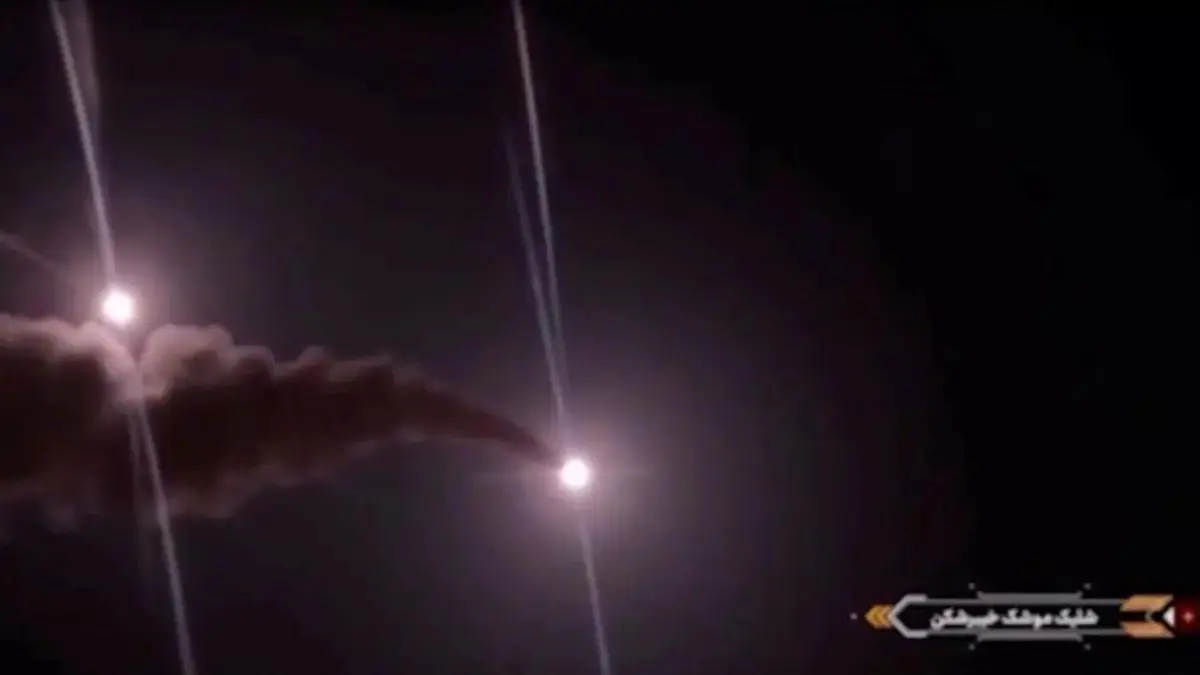
Forces aligned with Yemen's internationally recognised government said early Sunday that they were striking Houthi targets in the capital Sanaa and the northern stronghold of Saada. A military spokesperson described the targets as vital but did not identify specific sites or provide an initial damage assessment.
Houthi-run Al Masirah television separately reported an attack on Sanaa that it attributed to Saudi Arabia. There was no immediate Saudi confirmation, so responsibility for individual strikes should not be stated more precisely than the available evidence supports.
What has been confirmed?
The clearest confirmed points at the time of publication are:
- Yemen government-aligned forces announced strikes in Sanaa and Saada
- Their spokesperson did not publish target details
- Houthi media reported an attack on Sanaa and blamed Saudi Arabia
- Saudi authorities had not immediately confirmed that account
- The action comes during a sharp renewal of fighting after years of reduced cross-border hostilities
Reports may develop as authorities, residents and independent monitors provide more information. Early claims about casualties, exact weapons or destroyed facilities require verification.
Why fighting has intensified again
The conflict between the Iran-aligned Houthi movement and forces supporting Yemen's Saudi-backed government largely quietened after a 2022 truce, although a final political settlement was never reached.
Hostilities expanded again in 2026 amid the wider Iran-US conflict. The Houthis declared a naval blockade on Saudi Arabia in July, increased attacks on Saudi territory and shipping, and made territorial gains along Yemen's Red Sea coast.
Saudi Arabia responded with air strikes and support for government-aligned ground forces. The latest Sanaa and Saada attacks therefore sit within a larger military escalation rather than an isolated overnight incident.
Why Sanaa and Saada are important
Sanaa has been under Houthi control for years and functions as the movement's political centre. Saada, near the Saudi border, is the group's historic stronghold and an important military area.
Strikes in both locations signal pressure on leadership, logistics and command networks. They also create serious civilian risk because dense urban areas, roads and essential infrastructure can be affected even when attackers describe their targets as military.
Yemen's prolonged war has already damaged health services, food distribution and water systems. Any widening campaign can deepen those humanitarian problems and make aid access more difficult.
Connection to attacks on Saudi Arabia
The latest strikes follow a Houthi claim that missiles and drones targeted an Aramco facility in Riyadh. A witness reported smoke and fire near the facility, but Saudi authorities and Aramco had not immediately confirmed a successful attack.
That distinction is essential: a claim of responsibility, an interception and verified damage are three different facts. The absence of immediate confirmation does not prove the claim false, but it prevents a responsible report from presenting it as established damage.
The Houthi campaign has also increased concern around Red Sea trade routes. Bab el-Mandeb connects the Red Sea with the Gulf of Aden and is critical for shipping between Europe and Asia.
MatchUpWorld's coverage of European diesel-reserve planning explains how disruption to shipping and energy infrastructure can affect markets far beyond the conflict zone.
What happens next?
The immediate questions are whether strikes continue, whether Saudi Arabia confirms direct involvement and whether the operation expands beyond aerial attacks. Government-aligned forces may also seek to reverse Houthi gains on the Red Sea coast.
Diplomatic efforts face a more difficult environment when each attack creates pressure for retaliation. A ceasefire would require not only stopping strikes but resolving control of territory, shipping security and the political future of Yemen.
Readers should expect the verified picture to develop slowly. Conflict claims often appear first through military statements, followed later by satellite imagery, witness accounts or independent reporting. Until those layers agree, casualty numbers, target damage and responsibility should be attributed to the party making the claim rather than stated as settled fact.
The initial account was checked against Reuters' report on the October 4 strikes and its report on the claimed Riyadh attack.
Frequently asked questions
Who said the strikes were carried out?
Forces aligned with Yemen's internationally recognised government announced strikes on Houthi targets.
Did Saudi Arabia confirm attacking Sanaa?
No immediate Saudi confirmation was available at publication time.
Why is Saada significant?
Saada is the Houthi movement's historic northern stronghold near the Saudi border.