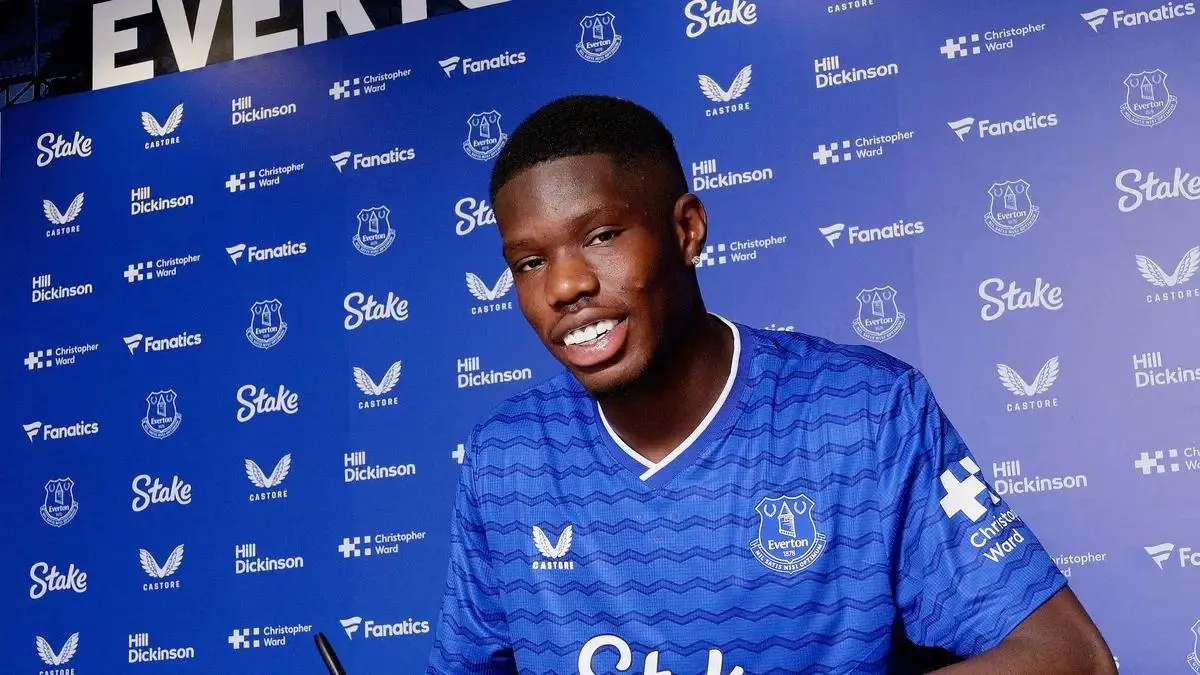
A club can agree a fee, a player can pose with a shirt and reporters can call a transfer “done”—yet the move may still collapse. The reason is simple: a football transfer is not complete until every required agreement and registration has been accepted before the relevant deadline.
That makes the final hours of a transfer window a race involving executives, lawyers, doctors, agents, league officials and sometimes immigration authorities.
The five parts of a completed football transfer
Most permanent international transfers require several separate steps:
- The buying and selling clubs agree the fee and payment structure.
- The player agrees personal terms with the new club.
- Medical and insurance checks are completed.
- Contracts and transfer documents are signed.
- The player is registered with the league and football association.
A public announcement is not a substitute for the final step. Registration determines whether the player can represent the new club.
Why a medical can stop a deal
A medical is not a simple pass-or-fail fitness test. Doctors review current injuries, previous surgery, movement, cardiac health and the probability that an existing problem will affect the length of the proposed contract.
A concern does not always end the move. Clubs can renegotiate the fee, shorten the contract, change bonus terms or request additional tests. On deadline day, however, there may be no time for a second opinion or a new structure.
The decision also involves insurance and risk. A club committing a large transfer fee and several years of salary may walk away from a player who is fit today but carries a significant long-term concern.
Personal terms are more than weekly wages
Even when clubs agree a price, the player and buying club must settle salary, signing bonuses, image rights, performance incentives and contract length. Agent fees and loyalty payments can create further negotiations.
A selling club may accept one bid while the player prefers another destination. A player is not normally forced to move simply because clubs have agreed terms between themselves.
Small disagreements become decisive when the window has only hours left. A bonus clause that might take two days to resolve in June can kill a transfer in the final hour.
International transfers need matching information
Cross-border moves use FIFA's Transfer Matching System. The buying and selling clubs enter information and upload required documents. Key details must match before the process can move forward.
FIFA's international transfer guide explains how the system connects registration, documents and the international transfer process.
If the fee, payment dates or player information entered by the two clubs does not match, the transfer can be delayed. The national associations may also need an International Transfer Certificate.
Work permits can create another deadline
Foreign players may need immigration permission or a football-specific endorsement. In England, for example, clubs may have to apply for the appropriate governing-body endorsement before completing parts of the process.
The transfer window controls football registration, while immigration law controls the right to work. Completing one does not automatically complete the other.
What is a deal sheet?
Some leagues allow a club to notify officials that an agreement is already in place but the full documentation is still being completed. In the Premier League this mechanism is commonly called a deal sheet.
It can provide a short extension for paperwork, but it is not permission to begin a new negotiation after the deadline. The required notice must itself be submitted on time.
The Premier League's transfer guide describes the checks and documents involved in getting a deal registered.
Why announcements sometimes come after the deadline
Fans often assume a late announcement means a club missed the deadline. That is not necessarily true. League officials may have received the documents on time while the club waits for confirmation, prepares media or completes administrative checks.
The important timestamp is the submission and acceptance of registration material—not the time of a social-media post.
Can free agents sign after the window closes?
A player who was already out of contract before the deadline may be able to join a club outside the window, subject to league squad rules and registration requirements. A club generally cannot turn a contracted player into a free agent after the deadline simply to bypass the window.
Competition registration creates another layer. A domestic league may accept a player while a UEFA squad-list deadline has already passed, leaving the signing unable to play in a particular European phase.
The bottom line
Deadline-day transfers collapse because agreement is only the beginning. Medical risk, contract details, agent terms, work permits and matching registration documents all have to align before time expires.
For the current closing schedule, see our Premier League transfer deadline day 2026 guide. Our football transfer-window rules explainer covers the wider registration system. Find more stories in the Football section.