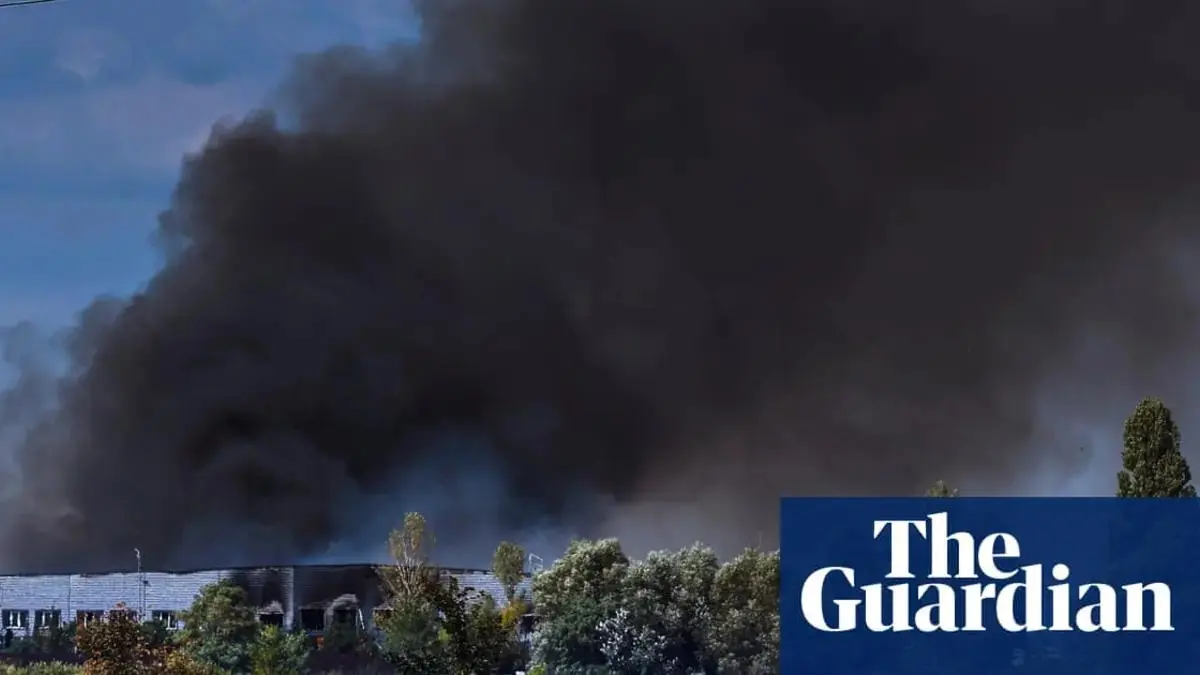
Repeated attacks on humanitarian warehouses are putting essential medical supplies at risk in Ukraine, according to the World Health Organization.
The latest incident damaged one of the principal warehouses used to store humanitarian health supplies in the Kyiv region. The immediate concern extends beyond the building itself: a damaged warehouse can interrupt the movement of medicines and equipment to hospitals and communities far from the strike site.
Why one warehouse matters to a much larger area
Humanitarian supply systems depend on hubs. Medicines, trauma kits, generators and other equipment are collected, checked and dispatched from a limited number of secure locations.
When a hub is damaged, agencies may have to inspect stock for fire, water or structural contamination, find alternative storage and redesign delivery routes. Even supplies that survive can be delayed while the site is made safe.
Hospitals operating under wartime pressure have little room for those delays. Some products are time-sensitive, temperature-sensitive or needed in quantities that local facilities cannot store themselves.
What humanitarian medical supplies can include
The exact contents of each shipment vary, but emergency health warehouses commonly hold trauma materials, surgical supplies, medicines, protective equipment, diagnostic tools and equipment that keeps essential services running during power disruption.
These are not only battlefield supplies. Humanitarian health operations also support routine needs such as maternal care, chronic disease treatment and infection control.
Damage to the supply chain can therefore affect patients whose conditions have no direct connection to the attack.
The compounding effect of repeated strikes
A single warehouse loss can sometimes be managed through emergency transfers. Repeated incidents are harder because backup sites, vehicles and staff are already under pressure.
Each relocation consumes time and money that would otherwise be spent on treatment. It can also push supplies farther from the regions that need them, increasing travel time and exposure on the road.
The WHO warning highlights this cumulative problem: humanitarian logistics become less reliable when storage facilities themselves cannot be treated as stable parts of the response.
Why verification takes time
Early reports after an attack often change. Agencies must establish whether staff were present, what materials were stored, how much stock was damaged and whether nearby facilities remain operational.
Responsible reporting should distinguish confirmed damage from estimates. Images can show destruction without proving the quantity or type of medical goods lost.
Readers should be cautious with posts that assign exact casualty or inventory figures before the responsible organisations have completed an assessment.
What happens next
The immediate steps normally include securing the site, accounting for personnel, assessing remaining stock and moving usable materials. Agencies may activate alternative warehouses or request replacement supplies from regional hubs.
The longer-term question is whether storage can be distributed across more locations without making the network slower or more expensive. Smaller hubs reduce dependence on a single site, but they require additional staff, security and transport coordination.
The broader humanitarian consequence
Health systems under conflict pressure face simultaneous demands: trauma care, damaged infrastructure, workforce shortages and interrupted treatment for chronic illness.
An attack on medical logistics does not stay confined to a warehouse. Its impact can appear days later when a clinic cannot replace a used trauma kit or a hospital waits longer for essential equipment.
That is why humanitarian agencies treat the protection of medical storage and transport as part of protecting health care itself.
For continuing verified developments, visit MatchUpWorld's News section and World section.