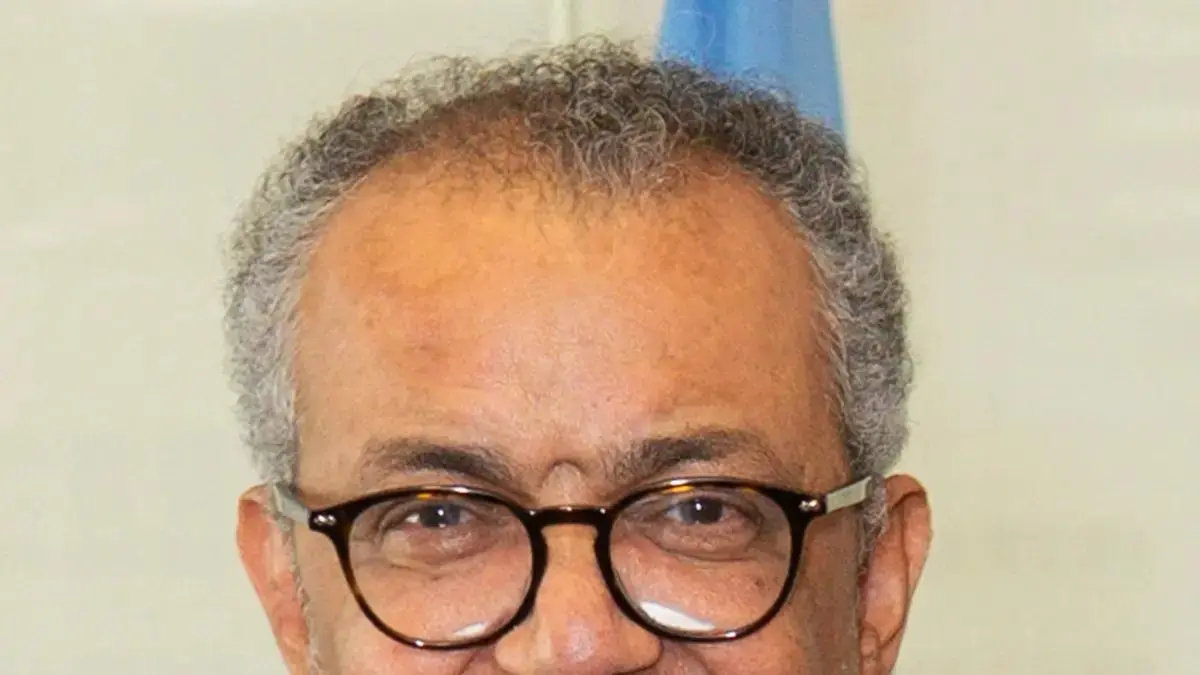
The World Health Organization has called for a major expansion of the Ebola response in the Democratic Republic of Congo as the death toll passed 3,000.
WHO Director-General Tedros Adhanom Ghebreyesus said the epidemic will continue until every transmission chain is identified and broken. Many deaths involve people who were not listed as known contacts, indicating that health teams are still missing important links.
Why the outbreak remains dangerous
Unsafe burials can expose relatives and communities to infectious bodily fluids. Contact tracing is also difficult across areas affected by insecurity, limited transport and weak health infrastructure.
The outbreak is caused by the Bundibugyo species of Ebola and has become the deadliest in Congo’s history, surpassing the 2018-2020 epidemic. It is now second only to the 2014-2016 West African outbreak in scale.
The Congolese government-led response plan is seeking $1.3 billion. Tedros acknowledged that humanitarian funding is under pressure globally but argued that previous outbreaks show Ebola can be controlled when resources arrive quickly.
What an expanded response requires
Priorities include rapid testing, isolation and treatment, safe burial teams, community communication, vaccination where appropriate and cross-border surveillance. Authorities must also protect routine healthcare so fear of Ebola does not stop people seeking treatment for other conditions.
The WHO’s warning is international, not merely local. Untracked transmission increases the possibility of cases moving into neighbouring countries before they are detected.

