Ukrainian President Volodymyr Zelensky has rejected the idea that an unconditional energy ceasefire is already in place, saying Ukraine will stop strikes on Russian energy infrastructure only if Russia does the same and the United States provides credible guarantees.
His statement followed Donald Trump's claim that an understanding had been reached. The disagreement shows the gap between a political announcement and an operational ceasefire accepted by both sides.
What each side is saying
| Actor | Position reported |
|---|---|
| Zelensky | Ukraine stops if Russia stops, with US guarantees |
| Trump | Claimed an energy understanding had been reached |
| Russia | No verified mutual ceasefire was in force |
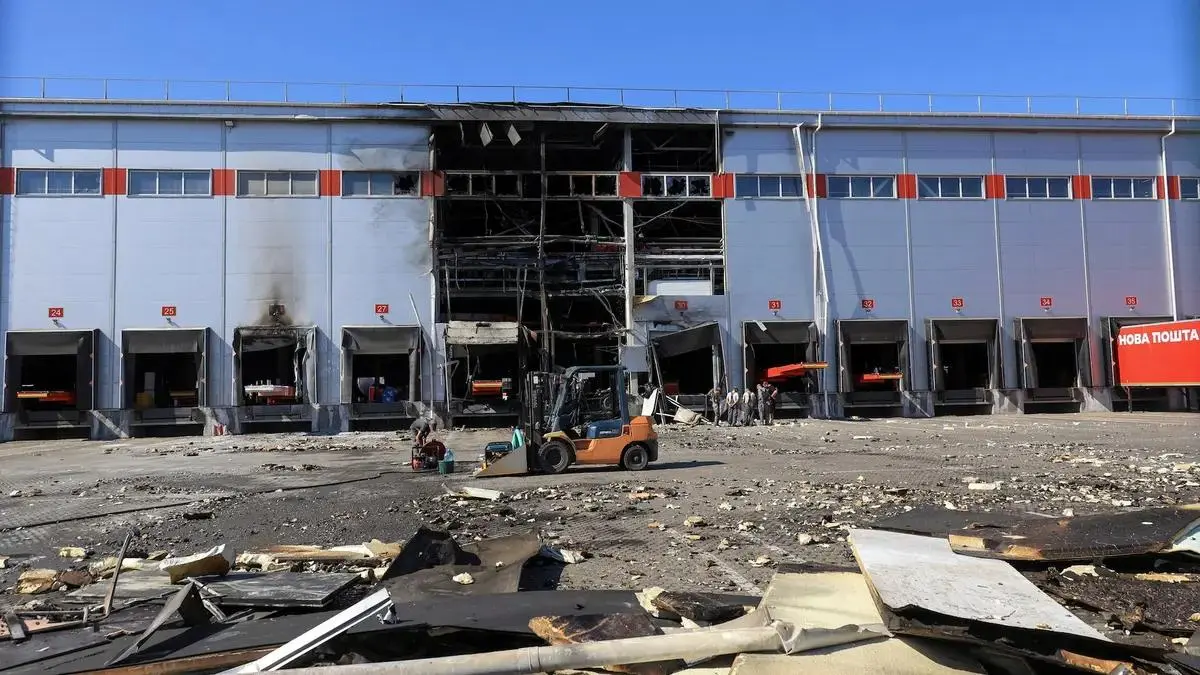
The conditions matter because energy infrastructure has become central to the war. Russia has repeatedly attacked Ukraine's power system, while Ukraine has targeted Russian refineries and other facilities that support state revenue and military logistics.
What an energy ceasefire would cover
A workable deal would need a shared definition of protected targets. Power stations and civilian grids are obvious candidates, but refineries, fuel depots, pipelines and dual-use facilities are more disputed.
The parties would also need a start time, monitoring process and a way to investigate alleged violations. Without those details, each explosion can produce competing claims and rapid retaliation.
US guarantees could mean satellite monitoring, intelligence sharing, public attribution or diplomatic consequences for violations. Zelensky's demand reflects Ukraine's concern that a pause could benefit Russia if attacks resume after Ukrainian operations have stopped.
Why the dispute matters now
Energy strikes affect civilians, battlefield supply and global fuel markets. Damage to electricity infrastructure can leave homes without heat or power, while refinery attacks can influence fuel availability and prices.
The broader diplomatic risk is that an unverified announcement creates pressure on one side to comply before the other has agreed. If the terms are unclear, even a short pause can collapse amid accusations of bad faith.
The latest reports also arrive as security incidents continue around NATO's eastern flank. That wider tension makes accurate communication especially important: a limited energy arrangement would not equal a general ceasefire or peace settlement.
What would confirm a real agreement?
The strongest confirmation would be matching public statements from Ukraine, Russia and the United States, supported by written terms or a jointly described monitoring mechanism.
Observers should look for the exact targets covered, the start and end time, consequences for violations and whether military operations outside the energy sector continue. Until those points are clear, the proposal remains conditional.
Sources: The Guardian and Reuters Ukraine coverage.
Frequently asked questions
Is there a Ukraine-Russia energy ceasefire?
Zelensky said Ukraine had not accepted an unconditional ceasefire and required reciprocal Russian action plus US guarantees.
Would an energy ceasefire end the war?
No. It would be a limited agreement covering specified infrastructure, not a general peace settlement.
Why are energy sites important?
They affect civilian power, fuel supply, military logistics and government revenue.