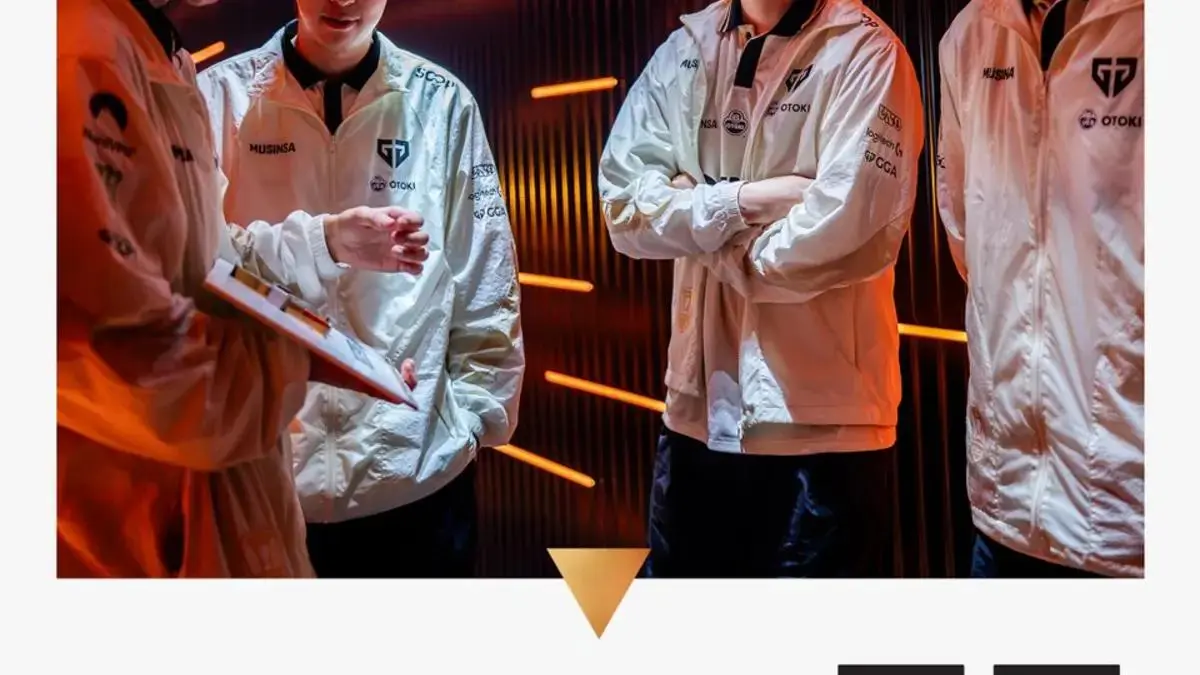
League of Legends is getting its first global tournament dedicated to Tier 2 teams. The 2026 World Star Challengers Invitational, or WSCI, will bring 16 developing teams from China, Korea, APAC, the Americas and EMEA into one international competition from September 20 to October 2.
Riot Games and TJ Sports are organising the event as an expansion of Asia Masters. Fifteen places will be distributed across five regions, with the Asia Masters champion completing the field.
The event begins with four double round-robin groups before moving to an eight-team single-elimination bracket. It is a pilot, which means Riot will use the 2026 edition to judge how international Tier 2 competition can support player development and regional leagues.
What is the World Star Challengers Invitational?
WSCI is an international League of Legends tournament for teams below the top professional tier. Tier 2 leagues are the bridge between amateur competition and major regional leagues, giving emerging players structured matches, coaching and a route into professional rosters.
Until now, most Tier 2 teams competed mainly inside their own regions. WSCI creates a cross-regional test before those players reach events such as MSI or the World Championship.
The tournament is not replacing Worlds, MSI or a domestic league. It is a separate showcase for the development pipeline.
When is WSCI 2026?
The event runs from September 20 to October 2, 2026.
The group stage takes place from September 20 to 25. There is then a break before the knockout bracket begins on September 27. The final is scheduled for October 2.
Exact match start times and regional broadcast links are expected through the participating Tier 2 channels. Fans should check the official LoL Esports announcement and regional league accounts because one global broadcast page has not yet been listed for every language.
How many teams will compete?
Sixteen teams will enter WSCI. China, Korea, APAC, the Americas and EMEA will each use a mix of qualification routes to select three representatives. Those 15 teams will be joined by the Asia Masters champion.
The qualification method can differ by region because Tier 2 ecosystems do not all use the same calendar or league structure. A team should not be described as qualified until its regional competition or official announcement confirms the place.
Riot's initial announcement explains the regional allocation but does not provide a final list of all 16 organisations. Rosters may also be subject to registration deadlines and eligibility rules.
How does the group stage work?
The 16 teams will be divided into four groups of four. Within each group, every team plays every other team twice in a double round-robin.
All group-stage matches are best-of-one. Each team therefore plays six games: two against each of three opponents. Across four groups, that produces 48 games over six match days, with eight games scheduled per day.
The top two teams from every group advance. The bottom two are eliminated, reducing the field from 16 to eight.
Best-of-one games make preparation and adaptation important because there is no immediate second game in the same series. The double round-robin provides some balance by giving every matchup a return meeting.
What are the seeding rules?
Teams will be placed into three pools before the draw. Each group receives one team from Pool 1, one from Pool 2 and two from Pool 3.
Pool 1 and Pool 2 teams from the same region cannot be drawn together. No group may contain more than two teams from a single region.
These restrictions aim to increase international matchups while protecting competitive balance. They do not guarantee that every group has four different regions because the field and pool structure can make some repeated representation necessary.
How does the knockout bracket work?
The eight qualifiers enter a single-elimination bracket with quarterfinals, semifinals and a final. Every knockout series is best-of-five.
One series loss ends a team's tournament. There is no lower bracket and no second route to the final. Seven best-of-five series are required to crown a champion: four quarterfinals, two semifinals and one final.
The format creates a sharp change from groups. Teams move from short best-of-one games to series that reward deeper champion pools, coaching adjustments and stamina.
For readers comparing structures, our double-elimination bracket guide explains how a lower bracket would differ. WSCI instead uses the simpler single-elimination model.
Will WSCI use Fearless Draft?
The announcement describes match lengths and the tournament structure but does not specify the exact draft rules. Fans should wait for the official competitive rulebook before assuming whether Fearless Draft, standard draft or another variation applies.
Draft rules matter most in best-of-five series because champion restrictions can accumulate across games. Our Fearless Draft explainer shows how repeated picks may be limited in formats that use it.
Patch version, side selection and tiebreak procedures also remain important details that the rulebook or later competitive update should confirm.
How can fans watch WSCI 2026?
Riot says regional Tier 2 social channels and regional co-streamers will carry the event. That suggests coverage may be distributed rather than centred on one broadcast account.
Fans should look for official links from LoL Esports and the relevant regional league. Unofficial rebroadcasts may have delays, missing commentary or rights restrictions.
The time zone and daily start time will determine whether a viewer in North America, Europe or India watches live or through video-on-demand. Schedule graphics should be checked again after the group draw because team names and individual match order may change.
Why is WSCI important for Tier 2 esports?
Regional development leagues can struggle to give players experience against unfamiliar styles. A strong domestic team may dominate a familiar meta but face different pacing, draft priorities and objective control when playing opponents from another ecosystem.
International games also give scouts a better comparison. Performance against cross-regional opposition can reveal whether a player is ready for a top-tier roster, although a short event should not outweigh an entire season of evidence.
For organisations, the tournament offers exposure beyond a domestic audience. That can help attract sponsors and supporters, but sustainable Tier 2 competition still depends on reliable leagues, salaries, coaching and promotion pathways at home.
Is WSCI a permanent annual event?
Not yet. Riot describes the 2026 edition as a pilot. The company wants to learn how cross-regional competition can strengthen player development and connections between regional ecosystems.
Future editions will likely depend on audience response, operational cost, competitive feedback and the effect on existing calendars. A successful first tournament does not automatically confirm the same format or dates for 2027.
The immediate milestone is the group draw and completion of regional qualification. Until then, the confirmed facts are the 16-team field, five regional pathways, September 20 start and October 2 final.
Source: Riot Games and TJ Sports' official WSCI announcement.
Follow MatchUpWorld's esports coverage for confirmed teams, results and format updates.