Google will invest at least €13 billion, about $15.1 billion, in artificial-intelligence infrastructure in Finland over the next two years and has signed a long-term agreement to buy nuclear power from Finnish utility Fortum.
The 22-year power-purchase agreement covers up to 50% of the output from the Loviisa nuclear plant. Google says it is the company's first nuclear-energy deal outside the United States and its largest AI investment announced in Europe.
The package includes data centres, electricity-grid improvements, clean-energy projects and batteries. Google says construction will take place in 2027 and 2028, contribute about $3.6 billion to Finland's gross domestic product during that phase and support around 7,000 jobs a year once operational.
How much is Google investing in Finland?
The company announced a minimum investment of €13 billion over two years. At the exchange rate cited by Reuters, that is approximately $15.1 billion.
The figure is broader than the price of one data centre. It covers digital infrastructure and supporting energy systems needed to run AI-heavy services such as Gemini, Search, Maps and YouTube.
“At least” matters because it sets a floor rather than a fixed final cost. Large infrastructure programmes can expand or change as sites, equipment and grid connections are developed.
What exactly is included?
Google says the programme will include data-centre capacity, improvements to the electricity grid, clean-energy development and battery projects. Those components solve different parts of the same problem.
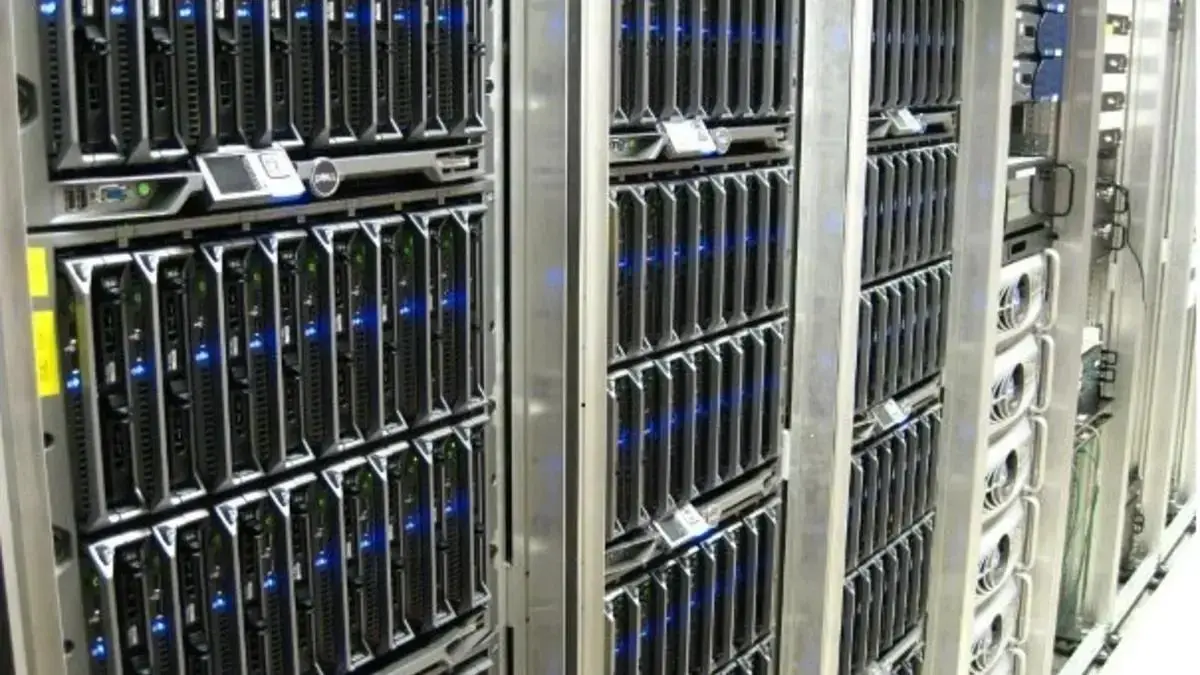
Data centres hold servers and networking equipment. Grid investment helps deliver large, reliable power loads. Clean generation reduces emissions associated with electricity use, while batteries can help balance supply and demand over shorter periods.
The announcement does not publish a building-by-building budget. Readers should avoid treating the entire €13 billion as spending on nuclear power or assigning a value to one facility without company filings.
What is the Fortum nuclear agreement?
Fortum will sell Google up to half of the electricity produced by the Loviisa nuclear power plant under a 22-year purchase agreement. The companies will also explore new nuclear and renewable-energy development in Finland.
A power-purchase agreement does not mean Google owns the plant. Fortum remains the operator, while Google becomes a major long-term buyer of its output.
The arrangement gives Google predictable access to low-carbon electricity and gives Fortum a large committed customer. Fortum said that certainty supports plans to extend and upgrade Loviisa through 2050.
Why does AI need so much electricity?
Training and running large AI models requires dense clusters of specialised chips. The servers consume electricity directly and produce heat, which requires cooling and additional facility equipment.
Demand does not end when a model finishes training. Search features, chatbots, image tools and enterprise services use computing power whenever users send requests. At global scale, that inference workload can be enormous.
Technology companies are therefore signing long-term electricity agreements and investing near dependable power sources. The goal is not only to add capacity but to secure supply that can operate around the clock.
Why nuclear power?
Nuclear plants can produce large volumes of electricity with low direct carbon emissions and high availability. Those qualities suit data centres that need continuous power rather than supply only when the sun shines or wind blows.
Nuclear energy also brings challenges: construction and upgrades can be expensive, waste requires long-term management, and plants operate under strict safety regulation. The economics depend on the existing facility, contract price and required investment.
In this case, Google is buying from an operating Fortum plant rather than announcing ownership of a new reactor. The companies will separately explore possible new nuclear and renewable projects.
Why did Google choose Finland?
Finland offers abundant low-carbon power, a stable operating environment and a cold climate. Lower outside temperatures can reduce the energy needed to remove heat from server buildings.
The Loviisa plant is also near Google's existing Hamina data-centre campus, making the regional energy relationship commercially relevant. Finland has promoted itself as a location for data infrastructure, and other technology companies have also evaluated Nordic sites.
Location alone does not eliminate constraints. New data-centre loads can require transmission upgrades, local permits, water and community acceptance. The inclusion of grid projects in Google's plan shows that electricity delivery is part of the investment, not an afterthought.
What does Finland gain?
Google estimates that construction will add around $3.6 billion to Finnish GDP and that the completed infrastructure will support approximately 7,000 jobs annually. Those are company projections, not guaranteed audited outcomes.
Construction employment can differ from permanent data-centre staffing, so the jobs figure should be read as broader annual support across operations and the supply chain. The investment could also stimulate engineering, energy, research and local-service activity.
Finland's government argues that digital investment can support innovation beyond the direct project. The longer-term value will depend on whether local firms, universities and workers gain access to contracts, skills and research opportunities.
What does Google gain?
The company gains European computing capacity for AI products and a long-duration power arrangement. More regional infrastructure can improve resilience, serve customers closer to their location and help meet data-governance requirements.
It also diversifies Google's energy strategy. Its first nuclear agreement outside the U.S. shows that the company is willing to combine existing nuclear output with renewables and batteries rather than rely on one technology.
Alphabet has raised its planned global investment for 2026 to between $195 billion and $205 billion as competition for AI infrastructure accelerates. The Finland programme is a significant regional piece of that wider capital-spending plan.
How did investors react?
Fortum shares rose about 10% during morning trading after the announcement, outperforming a roughly 1.4% rise in Helsinki's benchmark index at the time cited by Reuters.
That market move reflects investor expectations, not a final measure of the contract's profit. Pricing terms were not disclosed, and the economic result will depend on power prices, plant costs, investment requirements and contract conditions over more than two decades.
What remains unknown?
The companies have not disclosed the electricity price, the precise division of the €13 billion budget, exact capacity additions or every project location. Regulatory approvals and construction schedules will determine when new infrastructure becomes available.
The most useful next documents will be permit applications, grid plans, Fortum disclosures and Google updates with site-level capacity. Until then, claims about a specific number of AI chips or megawatts should be treated cautiously.
For related business context, see our guide to currency hedging and exchange-rate risk and follow MatchUpWorld's business coverage.
Source: Reuters report on Google's Finland investment and Fortum agreement.