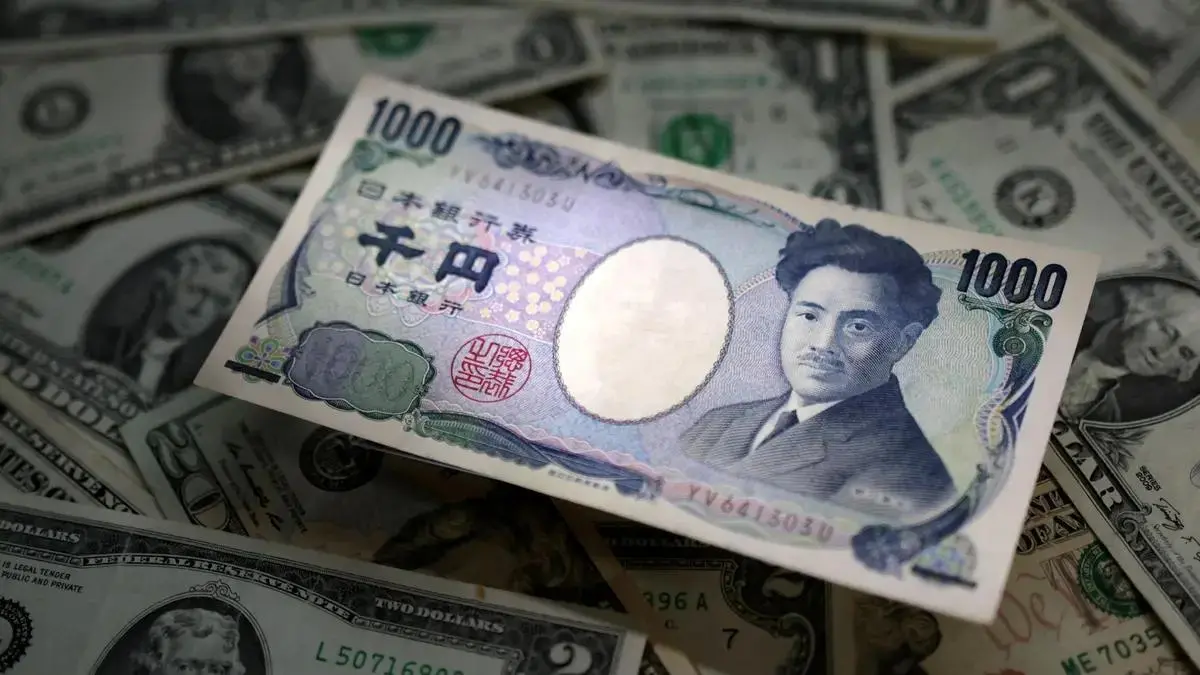
A company can agree a profitable overseas deal and still receive less money than expected. The reason is exchange-rate risk: the value of one currency can change between signing the contract and receiving payment.
Currency hedging uses financial or operational arrangements to reduce that uncertainty. The objective is usually not to predict the market or maximise gains. It is to make future cash flows more dependable.
Where exchange-rate risk comes from
Consider an exporter that invoices a customer in US dollars but pays wages and suppliers in euros. If the dollar weakens before the invoice is paid, those dollars convert into fewer euros.
An importer faces the opposite problem. If it must pay a dollar invoice later and the dollar strengthens, the purchase becomes more expensive in its home currency.
Companies can also have translation exposure when overseas subsidiaries' accounts are converted for consolidated reporting, and economic exposure when currency moves change long-term competitiveness.
What is a forward contract?
A currency forward lets two parties agree today on an exchange rate for a transaction at a future date. It can lock the home-currency value of an expected payment or receipt.
The benefit is certainty. The disadvantage is that the company generally cannot enjoy a more favourable market rate on the covered amount if the currency later moves in its favour.
Forwards also create obligations and counterparty considerations. A business should not hedge money it is unlikely to receive, because the hedge may remain even if the underlying sale is cancelled.
How currency options differ
A currency option gives the holder a right, rather than the same kind of fixed obligation, to exchange at a specified rate. This can protect against an adverse move while preserving some benefit from a favourable one.
That flexibility has a price: the option buyer typically pays a premium. The cost can be worthwhile when the amount or timing of a future transaction is uncertain, but it can also make options more expensive than a straightforward forward hedge.
What is a natural hedge?
A natural hedge matches revenue and costs in the same currency. A company earning dollars might source some materials in dollars, borrow in dollars or operate a local cost base in the same market.
Because incoming and outgoing cash flows offset each other, the business needs fewer financial contracts. Natural hedges are not free—operational choices have their own costs—but they can reduce dependence on derivatives.
Why companies do not always hedge 100%
Forecasts are uncertain. Customers can cancel orders, shipment dates can move, and sales volumes can differ from the plan. Hedging the entire forecast may create a larger problem if the expected transaction never occurs.
Many businesses therefore use a layered programme: hedge a high share of near-term confirmed exposure and a smaller share of uncertain payments further into the future. As the payment becomes more certain, additional layers can be added.
Does hedging guarantee a better result?
No. A hedge can look unnecessary in hindsight if exchange rates move favourably. But judging it only by the market move misses its purpose.
Insurance is not considered a failure simply because a fire did not occur. Similarly, a hedge can be successful if it protected the budget and allowed the company to price products, plan investment and meet obligations with greater confidence.
Poorly designed hedges can still cause losses. Mismatched dates, amounts or currencies create basis risk, while complex leveraged products can introduce exposures larger than the original business need.
How hedging appears in company results
Accounting treatment can be complicated. Gains or losses on a hedging instrument may be recognised at a different time from the underlying transaction unless the arrangement qualifies for hedge accounting.
That can create earnings volatility even when the economic risk is partly controlled. Investors reading results should distinguish operating performance, currency translation effects and the impact of hedging contracts.
Questions a business should answer first
Before choosing an instrument, a company needs to identify:
- which currencies it will receive or pay;
- how certain the amount is;
- when the cash flow is expected;
- how much adverse movement it can tolerate;
- who may approve and monitor hedges;
- what happens if the underlying transaction changes.
A written policy helps prevent hedging from turning into speculative trading.
The bottom line
Currency hedging makes international cash flows more predictable. Forwards lock a future rate, options provide protection with flexibility at a cost, and natural hedges match revenues with expenses in the same currency. The right structure depends on timing, certainty and the company's risk tolerance.
Browse more market and corporate explainers in the Business section.