Amazon is reportedly exploring a transaction that would transfer roughly $8 billion of Nvidia Grace Blackwell chips to a special-purpose vehicle, with Amazon leasing the hardware back. If completed, the structure would move part of the financial burden of AI infrastructure to outside investors while leaving Amazon with access to the computing capacity.
The proposal, first reported by the Financial Times and summarized by Reuters, is not the same as Amazon selling the chips and walking away. It is closer to a sale-and-leaseback: an investor-owned vehicle holds the assets, raises financing and receives lease payments from the company using them.
How the proposed structure could work
The reported plan has three main pieces:
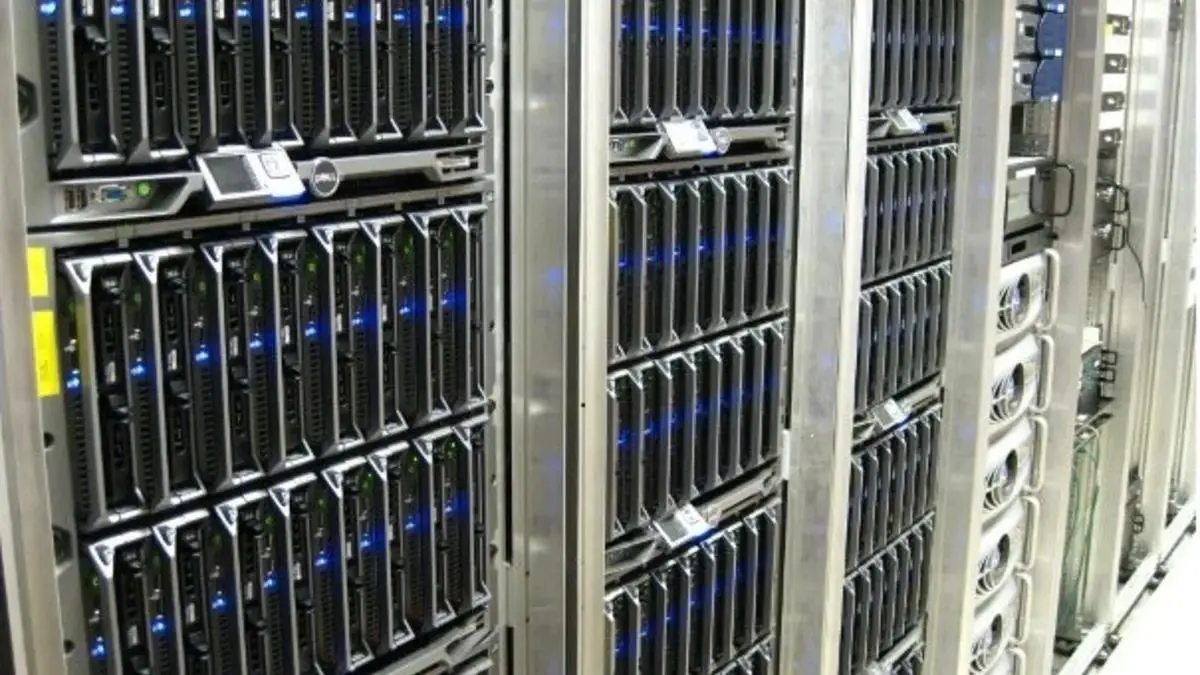
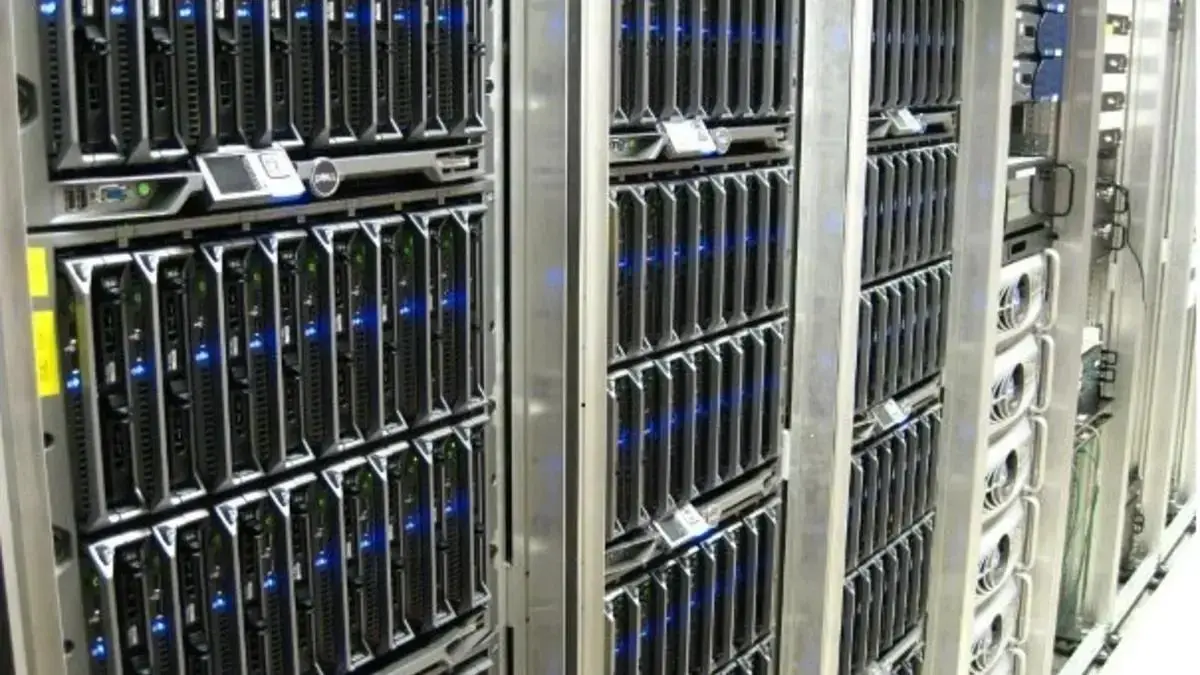
- Nvidia chips already deployed across more than a dozen US data centres would be transferred to an SPV.
- The vehicle would raise debt from investors and may offer an equity stake of up to 10%.
- Amazon would lease the chips back, preserving operational use while replacing a large upfront asset position with continuing payments.
An SPV is a legally separate entity created for a defined pool of assets or financing. Investors assess the vehicle's assets, contracts and cash flows, although Amazon's credit quality and lease commitment would remain central to the economics.
Why AI chips are being financed like infrastructure
Advanced accelerators are expensive, scarce and deployed in enormous clusters. The scale of spending has pushed technology companies to consider structures long associated with aircraft, property and energy infrastructure.
The attraction is balance-sheet flexibility. Turning owned hardware into leased capacity can release capital for new data centres, power contracts, networking equipment or another generation of chips. It may also broaden the investor base funding the AI build-out.
The tradeoff is that lease obligations do not disappear. Amazon would exchange ownership for contractual payments, and the final accounting treatment would depend on the terms. A financing structure can change when costs are recognized and where assets sit without making the underlying computing demand free.
Why Nvidia Grace Blackwell chips matter
Grace Blackwell systems combine Nvidia's Blackwell GPUs with high-speed interconnects and, in some configurations, Grace CPUs. They are designed for large AI training and inference workloads. Their value depends not only on the chips but also on power, cooling, networking and software integration.
That makes valuation harder than it is for a standardized financial asset. AI hardware can generate substantial revenue, but rapid product cycles also create obsolescence risk. Investors will want to know the expected useful life, lease protections and what happens when newer accelerators arrive.
What investors should watch
The reported discussions do not guarantee a completed deal. Key questions include the final lease term, interest cost, residual-value assumptions, equity participation and whether Amazon provides guarantees.
The larger signal is clear: funding the AI race is becoming a capital-markets story as much as a technology story. Cloud companies need enormous computing fleets, and investors are being asked to finance the physical assets behind that demand.
For another example of tech infrastructure meeting debt markets, read about Amazon's first sterling bond sale.
Sources
The transaction details were checked against Reuters reporting on October 2. Neither Amazon nor Nvidia had publicly confirmed the reported structure at the time of publication.