Dell Technologies has raised its annual revenue forecast by $25 billion, offering one of the clearest signals yet that spending on artificial-intelligence infrastructure remains exceptionally strong.
The company now expects $192 billion in annual revenue, up from its previous $167 billion outlook. It also increased its adjusted earnings-per-share forecast from $17.90 to $25.50. Dell shares rose about 7% in after-hours trading following the results.
The numbers behind Dell's AI boom
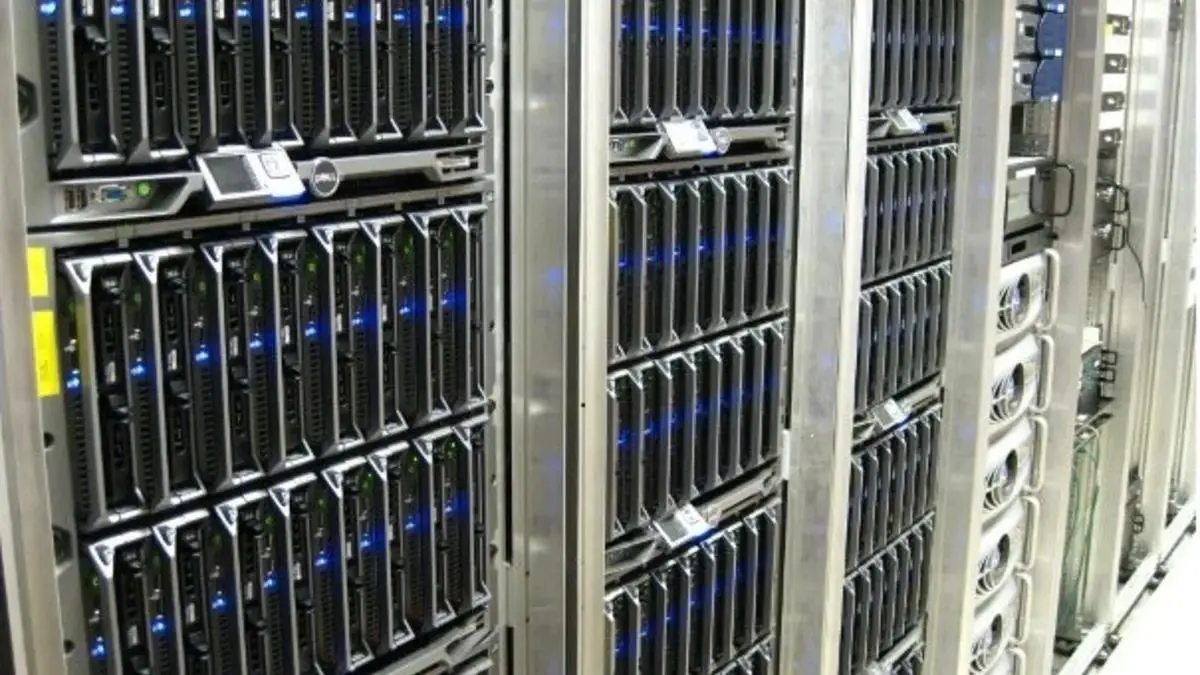
Dell said it booked more than $130 billion of AI-server orders over the past 12 months. It now expects fiscal 2027 revenue from AI-optimised servers to reach $74 billion, compared with an earlier forecast of $60 billion.
Second-quarter revenue climbed 58% to a record $47 billion, ahead of market expectations. Adjusted earnings of $7.04 per share also exceeded the consensus estimate. The infrastructure unit, which includes servers, storage and software, recorded an 89% rise in sales.
AI systems equipped with Nvidia processors are being purchased by cloud providers and companies building large computing clusters. Customers cited by Reuters include Nscale and CoreWeave. Dell said its AI customer base has passed 6,500, suggesting demand is broadening beyond a small group of hyperscale buyers.
PCs are contributing too
The result was not powered only by specialised AI equipment. Dell's PC sales grew 20%, the unit's fastest pace in five years, helped by business customers upgrading devices. Traditional server and networking revenue more than doubled as companies refreshed infrastructure for AI agents and other demanding workloads.
Memory-chip shortages remain a risk because they can raise the cost of both servers and personal computers. Dell has responded by increasing prices, helping protect margins while demand remains strong.
What investors will watch next
The central question is whether massive AI orders can translate into durable profits. Servers are expensive to build, competition is intense and customers may delay projects if electricity or financing becomes difficult to secure.
For now, Dell's second forecast increase of the year suggests the infrastructure cycle has not peaked. The company is benefiting from both cutting-edge GPU clusters and the less glamorous hardware needed to connect, store and operate them.
Source: Reuters earnings report.
