The latest
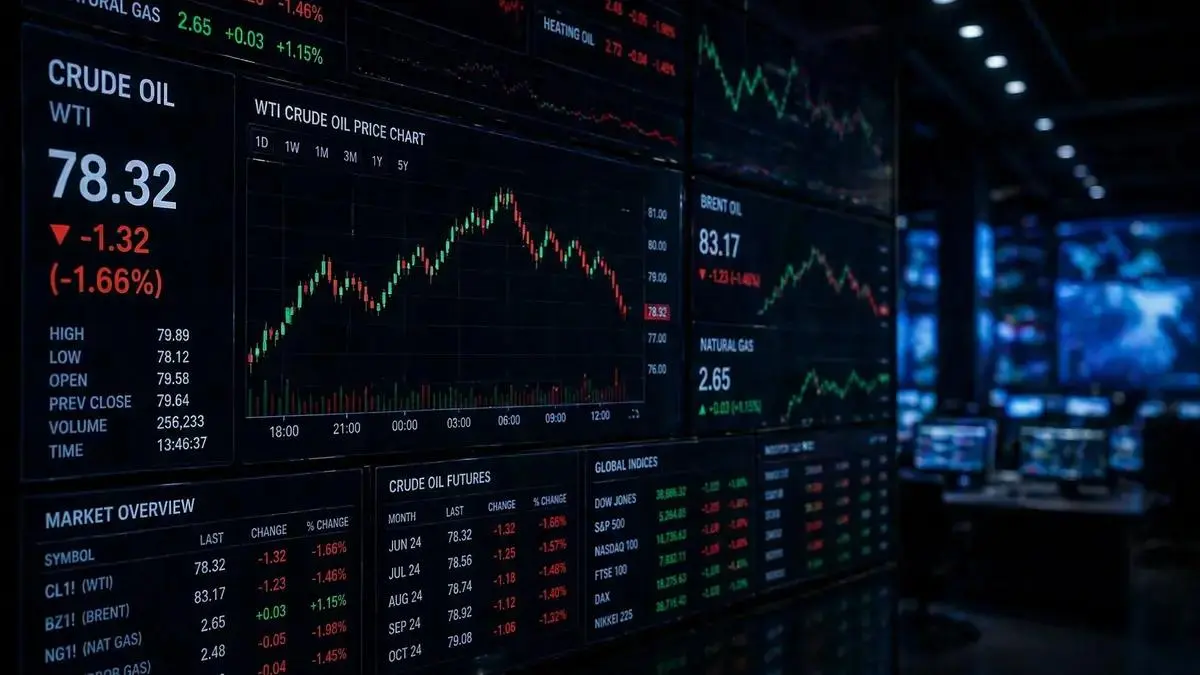
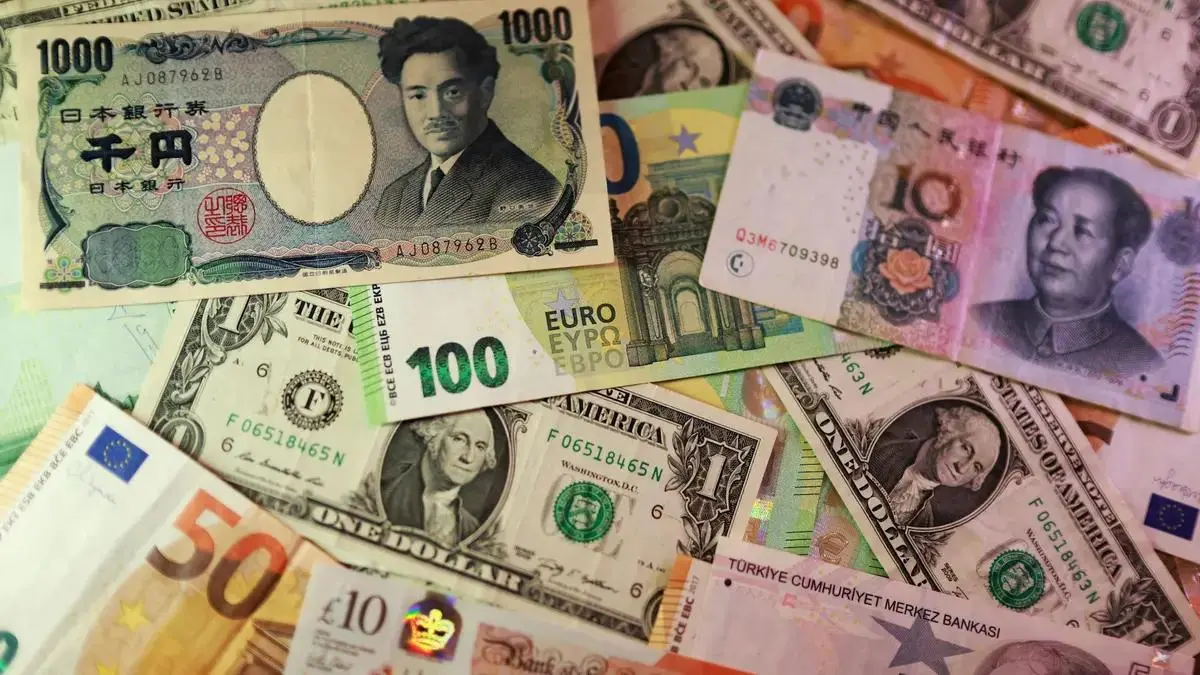
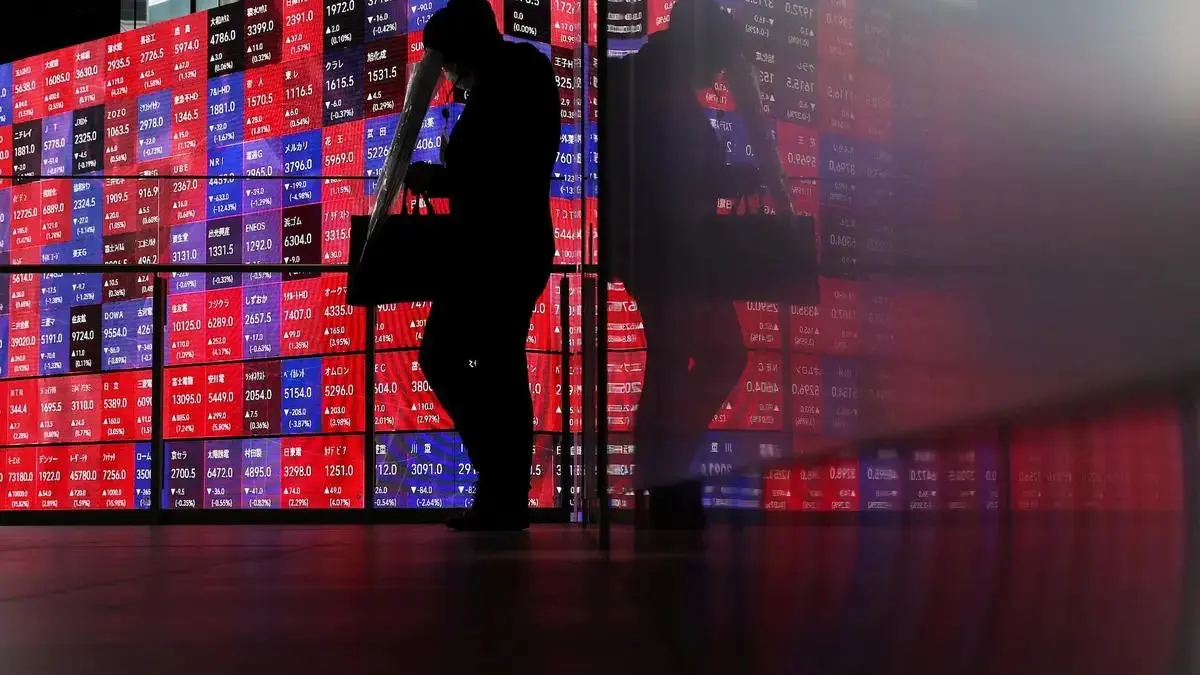
The US dollar held near its strongest level in two months as traders weighed the prospect of further interest-rate hikes against easing oil prices and possible US-Iran diplomacy. Reuters reported from Singapore that currency markets remained cautious even as hopes of a Middle East breakthrough reduced some pressure on crude.
For Singapore and the rest of Asia, dollar moves are more than a trading headline. The US currency influences import costs, funding conditions, travel budgets and the prices paid by businesses that buy energy, equipment or commodities in dollars. The effect is not identical for every company or household, but it is felt through many channels.
Why it matters in Singapore and beyond
A stronger dollar can make dollar-priced goods and debt more expensive for buyers using other currencies. Lower oil prices can offset part of that pressure for energy importers, which is why traders watch both markets together. Interest-rate expectations matter because higher US yields can make dollar assets more attractive, pulling money away from riskier or lower-yielding markets.
Singapore's economy is globally connected through trade, finance and logistics. That gives local firms sophisticated ways to manage currency exposure, but it also means overseas shifts can arrive quickly. Exporters may see a different effect from importers, and companies with hedging programmes can have a very different experience from those that leave currency risk unprotected.
What to watch next
For readers, the sensible response is not to treat a two-month high as a prediction of where the dollar will be next month. Currency markets react to central-bank guidance, inflation data, energy prices and geopolitics. The current story combines all four.
Watch official statements from the Federal Reserve, the next oil-market developments and the outcome of international diplomacy. Those signals can change rate expectations quickly. Anyone travelling, investing or running a cross-border business should check the actual exchange rate offered by their bank or provider, because it can differ from a headline market rate.
Practical checks for Singapore readers
A currency headline is not the exchange rate you will actually receive. Travellers should compare the total amount delivered after fees, while businesses with recurring overseas payments should assess cash-flow exposure and discuss hedging with a regulated provider. The direction of the dollar is useful context, but it is not personal investment advice or a guarantee of tomorrow's price.
For the wider economic backdrop, Singapore's AI-led export surge shows why currency, trade and technology stories can affect the same regional businesses. Watch official central-bank guidance, verified market data and supplier pricing rather than reacting to a single market move.
FAQ
Key question
Why does a stronger dollar matter in Singapore? It can affect import costs, travel, dollar debt and cross-border business pricing.
What should readers do?
Do lower oil prices always weaken the dollar? No. Currency moves depend on many factors, including interest-rate expectations and risk sentiment.
A simple way to follow the story
Track the dollar alongside three related indicators: oil prices, US Treasury yields and the Singapore dollar exchange rate offered by a regulated provider. Looking at all three is more informative than reacting to a single headline. Businesses with predictable overseas payments can discuss hedging options with their bank, while travellers can compare total fees rather than only the advertised rate. The market narrative changes fast, but a disciplined comparison of actual costs prevents noise from becoming an expensive decision.