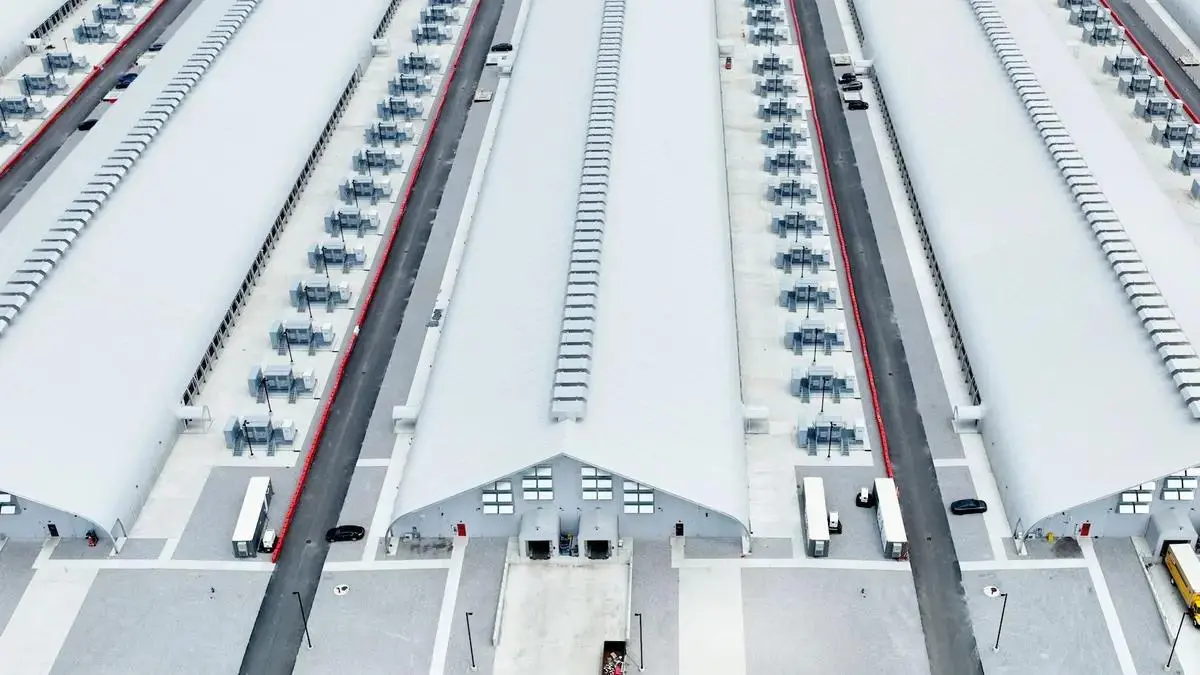
The foundation stone for a 110MW floating solar project at Gujarat's Kadana Dam was included in the development programme announced during the Prime Minister's September 8 visit to Vadodara.
What floating solar means
Floating photovoltaic panels are installed on a reservoir rather than on land. The approach can reduce pressure on land availability and may lower evaporation from part of the water surface, although construction, anchoring, ecology and grid connection all need careful assessment.
The announcement is a foundation-stage commitment, not proof that the plant is already generating electricity. Future updates will need to establish the developer, construction timetable, connection point and expected output.
The project sits within a wider Gujarat infrastructure programme worth more than ₹35,000 crore. Its long-term importance will depend on delivery as well as the headline capacity.
Source: PIB programme details. Read more in our regional section.
Why floating solar is gaining attention
Floating solar projects use reservoirs that already exist for water storage, irrigation or power generation. Panels can reduce the amount of land needed for a new plant, while the water surface may keep modules cooler and support more stable output during hot periods. The benefits depend on the site's wind, water-level changes, anchoring design and distance from the nearest grid connection.
Kadana is therefore more than a single renewable-energy announcement. It illustrates how Indian states are testing combinations of land-based and water-based generation. Project planners must balance clean-power goals with the needs of farmers, dam operators, fishing communities and local ecosystems. Environmental monitoring is important because shading, construction access and maintenance can affect a reservoir differently from a conventional solar field.
What to watch during development
The next milestones are usually surveying, tendering, transmission planning and phased commissioning. Readers should distinguish an announced capacity from electricity already being generated; large projects can take time to move from approval to operation. Final output will also vary by season, weather and maintenance availability.
If the project performs well, the experience could inform similar installations at other reservoirs. That would make local engineering decisions—anchoring, cleaning, worker safety and end-of-life recycling—just as important as the headline capacity. For communities, the key question is how the project supports reliable power while protecting the reservoir's existing uses.
A practical checklist for following this story
Readers tracking project monitoring should separate a confirmed update from a forecast. The most useful evidence usually comes from the organisation directly responsible for the event, a dated filing or a named technical source. Screenshots and short social posts can help locate a story, but they should not replace the underlying announcement. Keeping a note of the publication time also makes it easier to spot when a claim has been repeated without new evidence.
The next questions are practical: what changes for people, companies or teams; which milestone comes next; and which number would prove that the story is moving forward? In this case, that means watching anchoring, grid connection and reservoir stewardship. Those details turn a headline into a useful guide and help readers compare later updates with the baseline described here. They also explain why a cautious article may use phrases such as “announced,” “expected” or “under review” instead of presenting an unconfirmed outcome as fact.
Over the coming days, follow commissioning milestones through official channels and reputable reporting. Dates can move, schedules can be revised and early estimates can be corrected. A clear update should identify what has changed, cite the latest source and explain the effect in plain language. That approach keeps the article useful beyond the first news cycle while giving international readers enough context to understand the story in their own market or time zone.