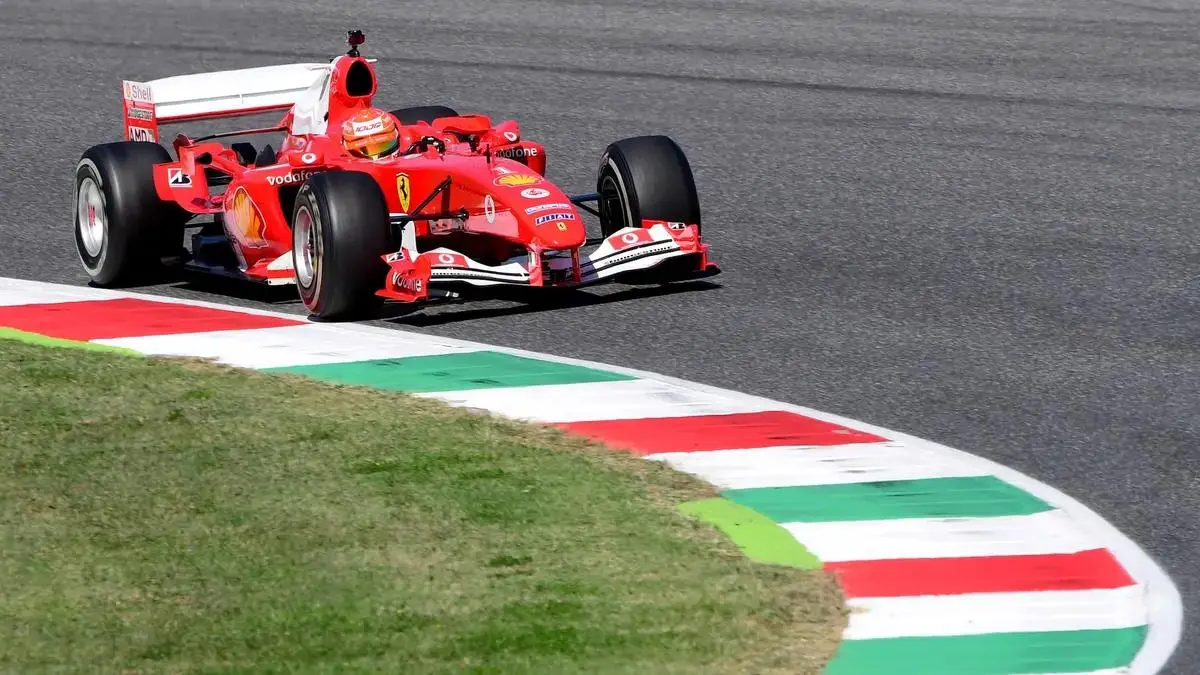
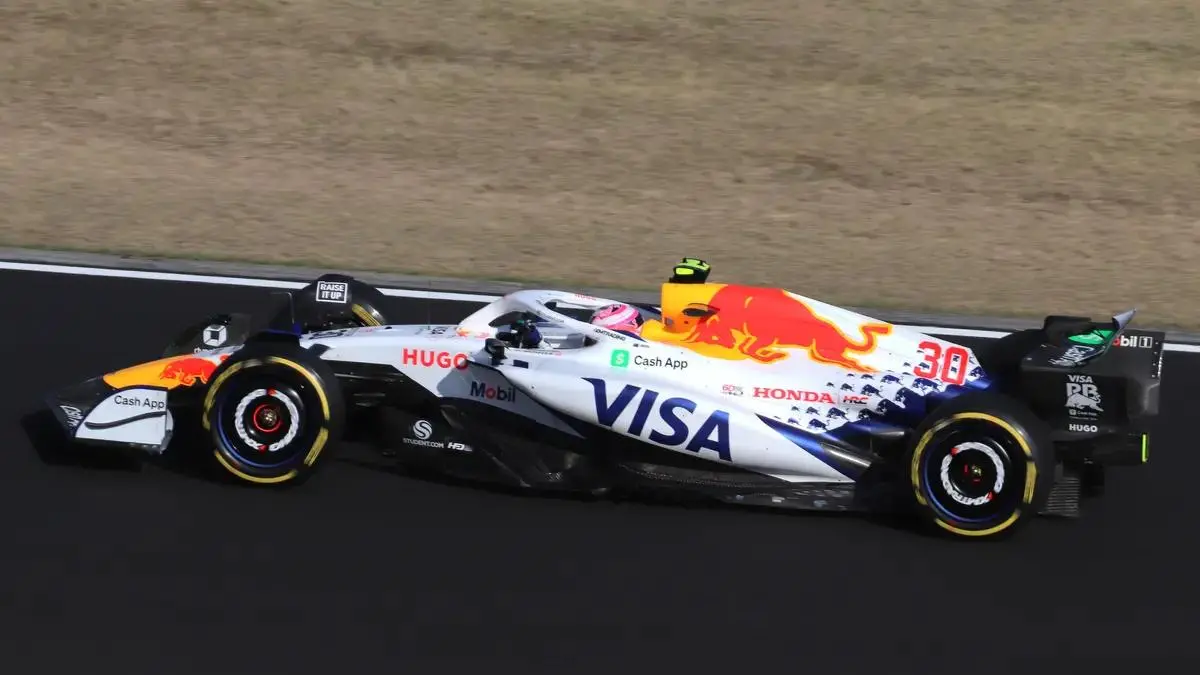
Formula 1 qualifying at Monza is set up as a close fight after George Russell led the second practice session for the 2026 Italian Grand Prix.
Russell's best Friday lap was 1:22.559. Charles Leclerc finished only 0.120 seconds behind, while Kimi Antonelli was another 0.021 seconds back. With Mercedes and Ferrari separated by such small margins, traffic management and slipstream timing could matter as much as outright pace on Saturday.
Italian Grand Prix 2026 weekend schedule
The Monza weekend runs from September 4 to September 6.
- Practice 3: Saturday, September 5 at 11:30 a.m. UK time
- Qualifying: Saturday, September 5 at 3:00 p.m. UK time
- Race: Sunday, September 6 at 2:00 p.m. UK time
Viewers should confirm local listings because broadcast start times and pre-show coverage vary by country.
What Friday practice told us
The top three in Practice 2 were covered by 0.141 seconds. That is close enough for track evolution, tyre preparation or a small mistake through a chicane to change the order.
Russell's pace gives Mercedes an encouraging baseline. Antonelli's third place reinforces the impression that the car is comfortable in Monza's low-downforce configuration. Ferrari, however, remain firmly in the contest through Leclerc and will expect strong home support.
Practice results are not a qualifying guarantee. Teams use different fuel loads, power settings and run plans on Friday. The more useful signal is that more than one team appears capable of fighting near the front.
Why the tow is so important at Monza
Monza rewards straight-line speed. A car following another at the right distance can gain time from the reduced air resistance of a slipstream.
The benefit creates a strategic problem. Drivers want a tow, but they also need clean air through braking zones and enough space to begin a flying lap. In previous Monza sessions, cars slowing to create gaps have produced crowded and sometimes chaotic final runs.
Teams have to release drivers at the right moment without leaving them vulnerable to traffic or the chequered flag.
The key qualifying questions
Can Russell convert practice pace?
Russell was fastest on Friday, but qualifying requires a complete lap under maximum pressure. Mercedes will also need to judge whether the car's straight-line advantage holds once rivals use their highest engine modes.
How close are Ferrari?
Leclerc's 0.120-second deficit is small. Ferrari can find that time through setup work, a better tow or track improvement. The larger question is whether the car remains stable under braking when the drivers attack the kerbs.
Is Antonelli a pole threat?
Antonelli entered the weekend leading the championship standings and was third in Practice 2. A strong grid position would also limit the tactical options available to rivals on Sunday.
Can McLaren recover?
The Friday top three did not include McLaren, but practice programmes can disguise performance. Lando Norris arrives after winning the previous two rounds, so it would be premature to remove McLaren from the qualifying fight.
How qualifying works
The session is divided into Q1, Q2 and Q3. The slowest five drivers are eliminated after Q1, another five after Q2, and the remaining ten compete for pole in Q3.
At Monza, the final minutes of each segment are especially tense because drivers queue for track position. A lap deleted for exceeding track limits or a mistimed run can eliminate a fast car before its true pace is shown.
What pole position means at Monza
Pole is valuable, but the long run to the first chicane gives cars behind an opportunity to use the tow. Starting at the front reduces exposure to midfield incidents, yet it does not guarantee control into Turn 1.
Race strategy will also depend on tyre wear, pit-stop timing and the possibility of a safety car. Qualifying creates the starting advantage; Sunday's execution decides whether it lasts.
Visit the Sports section for more international coverage, schedules and explainers.