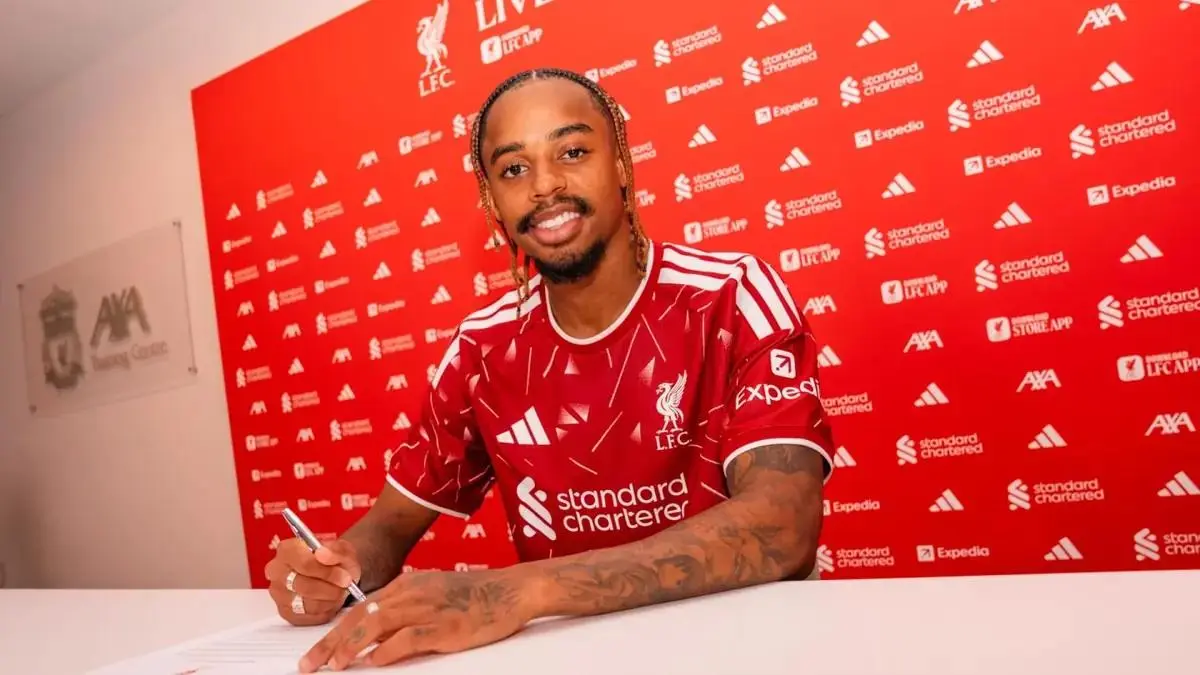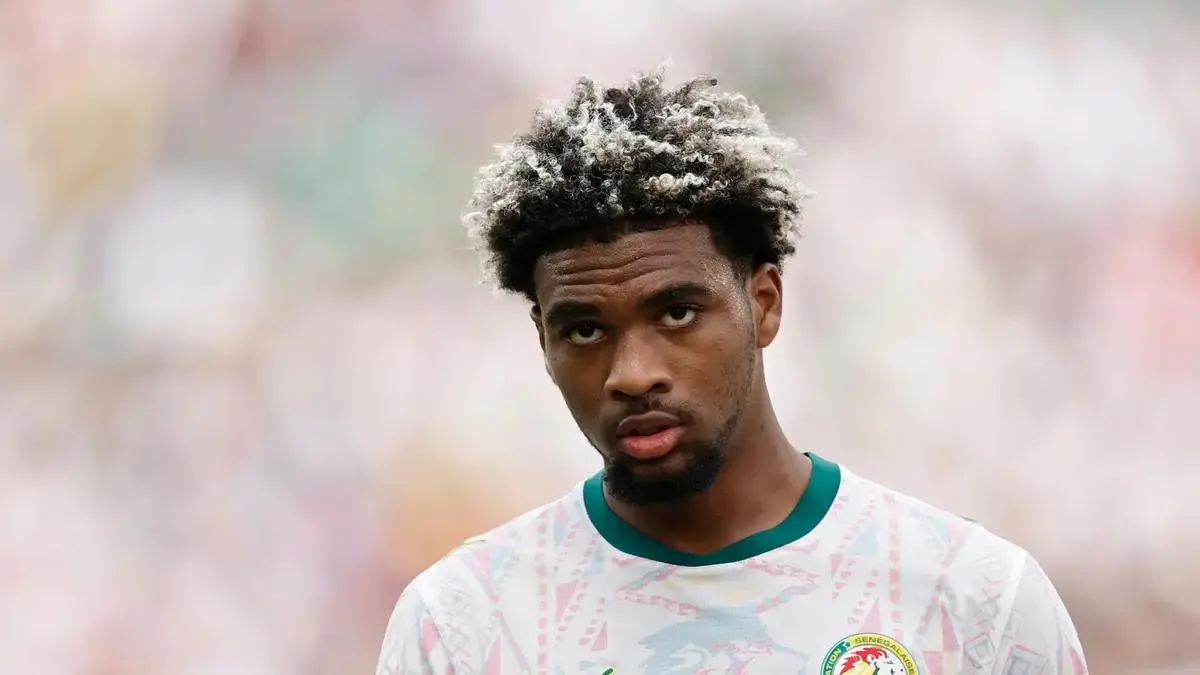
Aston Villa have completed the permanent signing of 18-year-old Senegal forward Ibrahim Mbaye from Paris Saint-Germain, adding one of European football's most highly rated young attackers to Unai Emery's squad.
Both clubs confirmed the move on September 1. Neither announced the financial terms in its initial confirmation, although multiple British reports placed the fee at approximately £47 million, or €55 million. The Guardian reported that Mbaye has signed for five years with an option for a further season.
The transfer gives Mbaye a path to regular Premier League football after eight years in PSG's system. It also gives Villa a quick, direct and versatile forward whose development could shape the club's attack for several seasons.
Ibrahim Mbaye to Aston Villa: key details
- Player: Ibrahim Mbaye
- Age: 18
- National team: Senegal
- Previous club: Paris Saint-Germain
- New club: Aston Villa
- Transfer type: Permanent
- Reported fee: Around £47 million (€55 million)
- Reported contract: Five years, with an option for one more
- Position: Winger or forward
The fee and contract length remain reported figures unless Villa publishes full details. The transfer itself is official.
Who is Ibrahim Mbaye?
Mbaye was born in Trappes, France, and joined PSG's academy at the age of 10. He progressed rapidly enough to make his senior breakthrough while still 16.
In August 2024, Mbaye became PSG's youngest player to start a Ligue 1 match. He was 16 years, six months and 23 days old when he started against Le Havre, moving ahead of Warren Zaïre-Emery in that particular club record.
PSG's pathway is difficult for any academy attacker because the first team is built to compete for every major trophy. Mbaye nevertheless earned senior minutes, gained Champions League exposure and collected eight trophies during his time with the club, according to Reuters. Those honours included two Ligue 1 titles and two Champions League titles.
His career also developed internationally. Mbaye represented France at youth level before switching allegiance to Senegal in 2025. By the time of his Villa transfer, Reuters reported that he had 15 senior caps and four goals for Senegal, including a goal against France at the 2026 World Cup.
That combination—elite-club training, early senior football and major-tournament experience—is unusual for an 18-year-old.
How much did Aston Villa pay for Mbaye?
Villa and PSG did not disclose a fee in their announcements. Sky Sports and The Guardian reported a figure in the region of £47 million, equivalent to roughly €55 million.
It is important to describe that number as reported rather than confirmed. Transfer packages can contain guaranteed payments, performance bonuses, instalments and sell-on clauses, and clubs often do not reveal how those elements are structured.
Even at the reported base level, the deal is a major investment in potential. Villa are not paying only for Mbaye's current output. They are valuing his age, speed, international experience and the possibility that he becomes a leading Premier League attacker.
The reported long-term contract protects that investment. It gives Emery time to develop the player without every short run of form becoming a referendum on his future.
Why Aston Villa signed him
Villa needed more variety in attack. Mbaye can operate from either flank, attack space behind a defence and carry the ball toward goal. His versatility allows Emery to use him as a traditional wide forward, an inside attacker or part of a fluid front line.
His signing also fits a broader squad-building strategy. Buying a player at 18 provides sporting upside and potential future resale value, but Villa will expect immediate contributions rather than treating him only as an academy project.
Mbaye reportedly wanted a club where he could play more regularly. At PSG, competition for attacking places made consistent starts difficult even for a player with his talent. Villa can offer a clearer route while still competing in one of the world's strongest leagues.
There is also a stylistic attraction. Emery's teams often create situations in which wide players receive the ball facing forward after a quick transition. Mbaye's acceleration can turn those moments into shots, cutbacks or fouls in dangerous areas.
Where could Mbaye play for Villa?
Mbaye's most natural role is as a winger, but his exact position will depend on Villa's shape and the players around him.
From the right, he can use his speed to attack the outside channel or move inside onto his stronger foot. From the left, he can stretch the pitch and create room for an overlapping full-back. He can also play closer to the striker when Emery wants two narrow forwards rather than fixed touchline wingers.
His first challenge will be learning the timing required in Villa's possession structure. Premier League defenders will try to deny him space, force him away from goal and test his decision-making under physical pressure.
Emery is unlikely to judge him only by goals. Off-ball runs, defensive positioning, pressing triggers and the quality of his final pass will all determine how quickly he becomes a regular starter.
What Mbaye adds to the attack
Villa gain three qualities that are difficult to manufacture.
First is pace. Mbaye can threaten the space behind a high defensive line, which discourages opponents from compressing the pitch too aggressively.
Second is unpredictability. A winger who can go outside or cut inside makes it harder for a full-back to show him toward a safe area.
Third is transition threat. Villa can become dangerous immediately after recovering possession because Mbaye can carry the ball over distance rather than requiring several passes to reach the final third.
The next step is consistent end product. Young wide players often produce spectacular actions before they reliably choose the correct final ball. Villa's coaching staff will work on when to shoot, when to release a teammate and how to remain influential when opponents defend deep.
What the transfer means for PSG
PSG lose an academy graduate with considerable upside, but the move reflects the reality of maintaining an expensive, trophy-chasing squad.
The pathway from the academy to regular first-team football can narrow when a club has established internationals in every attacking role. A permanent sale can generate a substantial return while allowing the player to develop elsewhere.
Mbaye leaves with a remarkable list of team honours for his age. Yet medals and substitute appearances are not the same as the week-to-week responsibility that helps a young forward mature. His move to Villa is an opportunity to move from prospect status toward being judged as a senior Premier League player.
PSG's decision will be revisited if Mbaye becomes a star in England. That is normal with high-value transfers involving young players. The correct evaluation will also depend on the exact clauses, which have not been made public.
Mbaye's Senegal breakthrough
Mbaye's international choice expands the global interest in the transfer. Born in France and developed in the French system, he represented France at several youth levels before committing to Senegal.
He quickly became part of the senior side and scored on the World Cup stage. International football can accelerate a young player's education because the tactical environment changes rapidly and tournament matches carry intense pressure.
For Senegal, regular minutes in the Premier League could improve one of their most exciting young attackers. Villa will have to manage his workload across domestic football, possible European matches and international windows, particularly because he is still physically developing.
The transfer should also attract attention from Premier League audiences across Africa and from Senegal supporters following the national team's next generation.
Is Mbaye ready for the Premier League?
His experience suggests he is ready to compete for minutes, but no transfer guarantees immediate success.
The Premier League will present greater weekly physical intensity than he experienced as a rotational player in France. Opponents will study his preferred movements, and a demanding schedule can challenge young players who have not previously started every few days.
Villa can reduce that risk by introducing him sensibly. He does not need to start every match immediately. Substitute appearances against tiring defenders, selected starts and a clearly defined tactical role can build confidence without reducing expectations permanently.
The reported fee will inevitably increase scrutiny. Supporters should separate price from development stage: Villa have made a major investment, but Mbaye remains 18 and will have inconsistent periods.
What happens next
Mbaye must be registered and integrated into Emery's training programme before his first appearance. The club will assess his fitness after summer international commitments and decide whether he starts immediately or enters through the bench.
His early Premier League performances will answer several questions: which flank suits him, how quickly he adapts to defensive work and whether Villa can turn his speed into consistent chances.
For now, the confirmed outcome is significant. Aston Villa have beaten other interested clubs to a teenage Senegal international developed by PSG, and Mbaye has chosen a move that should offer more responsibility.
It is a transfer built around the future, but Villa will hope its impact begins straight away.
Sources
- Aston Villa and Paris Saint-Germain: permanent transfer confirmation, September 1, 2026
- Reuters: career record, Senegal statistics and PSG achievements, September 1, 2026
- Sky Sports and The Guardian: reported fee and contract details