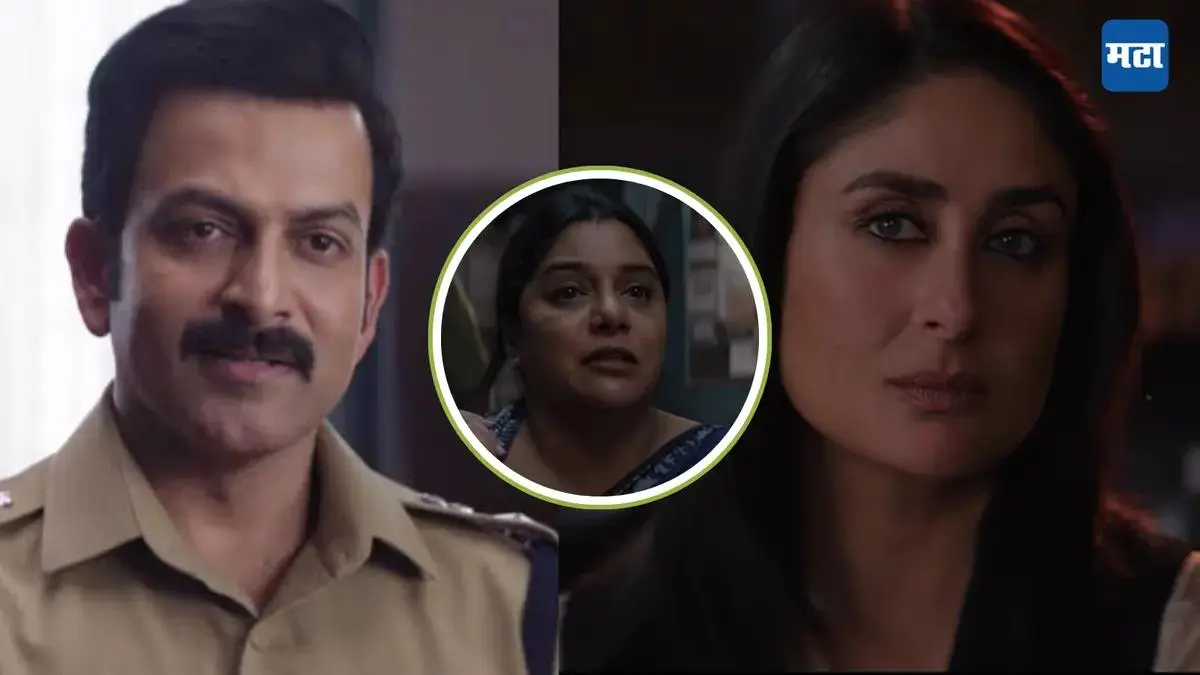
A trailer's job is not to describe the film
A trailer exists to sell tickets in the opening weekend. That single fact explains almost every choice in it — the cut, the music, the order of shots, what is shown and what is deliberately withheld. Judging a film by whether its trailer was exciting is judging the marketing department, not the filmmakers.
That said, trailers do leak real information about the film underneath, if you know what to look at.
Watch the cutting rhythm
Count how long the average shot stays on screen. A trailer built almost entirely from shots under a second is usually hiding something — either the performances are not strong enough to hold a longer take, or the film has no scenes with enough momentum to excerpt. Trailers that let a shot run for four or five seconds are quietly telling you the film has scenes worth sitting in.
Notice which star gets the dialogue
In an ensemble film, the balance of speaking lines in a trailer is a reasonable proxy for the balance in the film. If a heavily promoted actor appears only in reaction shots and gets no lines, the role is likely smaller than the poster suggests. This is one of the most reliable signals available.
Check whether the plot is actually explained
A trailer that can state its premise clearly in one sentence — someone wants something, something is in the way — is usually cut from a film with a coherent story. A trailer that is a sequence of striking moments with no connective logic often reflects a script that has the same problem.
The exception worth remembering is deliberate mystery. Some films withhold the premise on purpose, and that is a different thing from having no premise. The tell is confidence: a withholding trailer feels controlled, a confused one feels padded.
Listen for looped dialogue
If the audio in a line does not quite sit in the space you can see on screen, it has been re-recorded in post — sometimes routine, sometimes a sign of significant reshoots or late rewrites. A trailer where most of the emotional dialogue sounds studio-clean while the visuals are outdoor is worth noting.