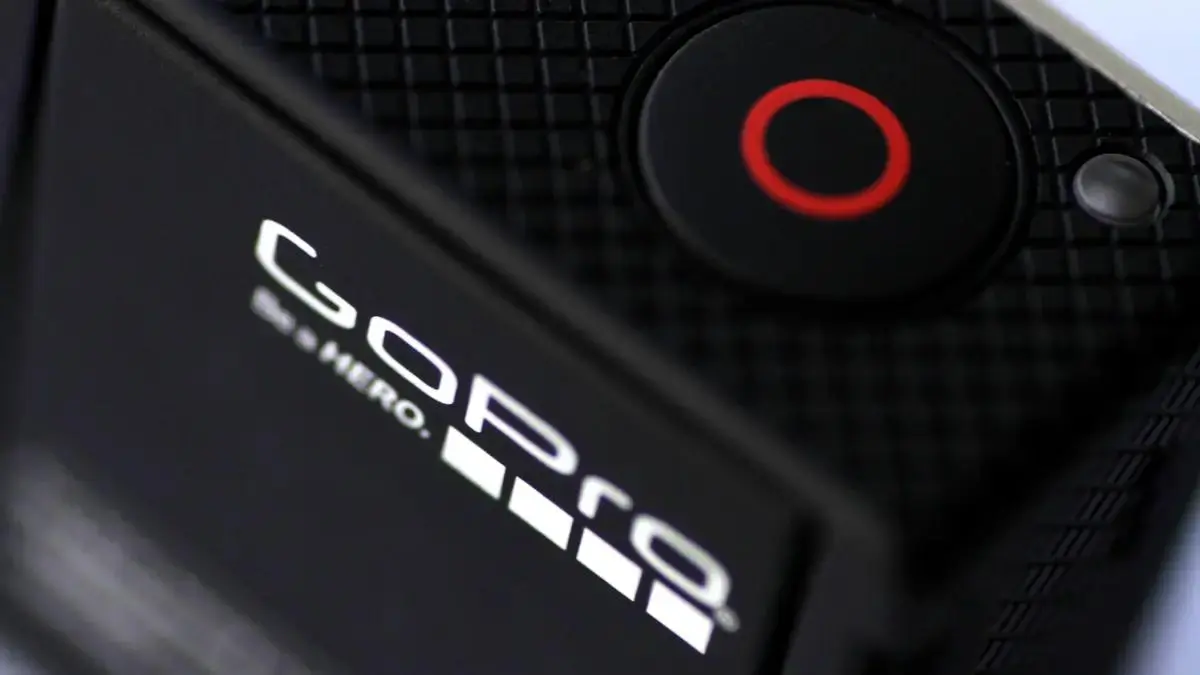
GoPro, the company that made compact action cameras a global consumer category, is set to get a new majority owner in a deal that values the transaction at $285 million in cash.
Starman Optical, a privately held US maker of optical components used in AI data centers, will acquire a 90% stake in GoPro. Existing GoPro shareholders will retain the remaining 10%, and the camera company is expected to stay publicly listed after the transaction closes.
The deal is expected to be completed by the end of 2026, subject to the usual closing conditions. It gives GoPro a route to repay debt and seek new commercial opportunities after years of shrinking revenue, intense competition and rising component costs.
Here is what the deal means for customers, investors and the GoPro brand.
What exactly has Starman Optical agreed to buy?
According to a Reuters report on the September 1 announcement, Starman Optical will pay cash for a 90% ownership position in GoPro. Current shareholders will collectively own the other 10% after the deal.
The offer values GoPro shares at $1.14 each, around a 29.5% premium to the previous closing price. GoPro's shares jumped more than 50% after the announcement and traded above the offer price. That market reaction can indicate that some investors expect better terms, a competing bid or additional value from the retained stake, but it does not guarantee that another offer will emerge.
Unlike a conventional full takeover in which the target disappears from the stock market, GoPro is expected to remain publicly traded. The final ownership structure and shareholder documentation will matter for investors assessing the value of the minority position.
Who is Starman Optical?
Starman Optical is a much less familiar name to consumers than GoPro. It makes optical transceivers in the United States. These components allow networking equipment to send and receive data using light and are important in high-speed data-center infrastructure.
The rapid construction of AI data centers has increased demand for fast networking between servers. Starman operates in that business rather than the consumer-camera market, which makes the acquisition look unusual at first.
The strategic connection is optics. GoPro owns more than 2,500 US patents, including intellectual property related to imaging and optical systems. The companies say the combination could apply that portfolio to commercial, defense and artificial-intelligence markets while keeping GoPro's existing consumer operation.
Will GoPro stop making action cameras?
The companies have not announced an end to GoPro cameras. Their statement says GoPro will continue its consumer business.
That is an important distinction because several struggling public companies have recently tried to reinvent themselves around AI. GoPro's plan is not simply to abandon cameras and adopt a new label. Instead, Starman is proposing to add optical networking products and explore markets beyond consumer devices.
Customers should therefore not assume that current cameras, subscriptions or accessories are being discontinued. Any future product changes will need separate announcements from GoPro.
Still, a new majority owner can influence investment priorities. Starman may decide which camera lines receive funding, how quickly products are refreshed and whether GoPro technology is adapted for professional, industrial or defense customers.
Why is GoPro selling a majority stake?
GoPro has faced a long decline from its early peak. The company was valued at about $4 billion on its first day of trading in 2014, but its stock subsequently lost roughly 96% of its value.
Competition is one reason. Chinese brands including DJI and Insta360 have expanded rapidly with stabilized video, 360-degree capture, compact designs and frequent hardware releases. At the same time, high-end smartphones have improved their cameras and durability, reducing the need for a separate device for casual users.
GoPro's June-quarter revenue was more than 80% below the $633.91 million quarterly peak recorded at the end of 2014. The company also warned in June that there was substantial doubt about its ability to continue as a going concern.
Another pressure came from memory-chip prices. Demand from Big Tech's AI infrastructure buildout has raised costs for memory and other components used in electronics. Smaller consumer-hardware companies have less purchasing power than giant manufacturers and may struggle to absorb those increases.
What happens to GoPro's debt?
GoPro has approximately $92 million in outstanding debt. The cash transaction is intended to repay that obligation and give the business more financial room.
Reducing debt does not automatically solve GoPro's operating challenges. The company will still need products that customers want, competitive pricing and a sustainable way to generate cash. But removing a large debt burden can reduce interest costs and allow management to focus more resources on product development and growth.
Why did GoPro's stock rise above the offer price?
The announced price was $1.14 per share, yet the stock traded around $1.33 after the news. A target company's shares normally trade slightly below an agreed cash offer because there is a risk that the deal will not close.
Trading above the offer can reflect speculation about a higher proposal. Investors may believe another buyer could value GoPro's patents, brand or customer base more highly. They may also be trying to estimate the value of the 10% stake that existing shareholders are expected to retain.
That optimism carries risk. If no better offer arrives and the structure is less valuable than expected, the share price can fall. Investors should read the definitive merger documents rather than treating the first market move as proof of a bidding war.
What could Starman gain from GoPro?
The most obvious assets are GoPro's brand, patents, imaging knowledge, software and global retail relationships. Starman could use GoPro's optical expertise in data-center hardware or develop cameras and sensors for industrial applications.
The companies also said they want to bring production of some important optical equipment back to the United States, although they did not provide a timetable. Domestic manufacturing could appeal to government and defense customers that want secure supply chains.
The deal gives Starman something difficult to build from scratch: a recognized technology brand with millions of users and more than two decades of product history.
What should GoPro customers watch next?
For customers, the most useful signals will be practical rather than financial:
- Whether GoPro confirms its next camera launch schedule.
- Whether cloud subscriptions and warranty support continue unchanged.
- Whether the company maintains compatibility with existing mounts and accessories.
- Whether Starman invests in image sensors, stabilization and battery life.
- Whether GoPro introduces professional or industrial versions of its technology.
Until GoPro announces product changes, existing owners do not need to take any action because of the transaction alone.
Bottom line
Starman Optical is buying control of GoPro for $285 million, taking a 90% stake while leaving existing shareholders with 10%. The transaction is designed to repay GoPro's debt, keep its consumer-camera business operating and extend its optical technology into AI, commercial and defense markets.
The deal gives GoPro breathing space, but its future still depends on execution. A famous brand and valuable patents can open doors; they do not by themselves reverse years of falling sales and fierce competition.
Frequently asked questions
Is GoPro being completely acquired? No. Starman Optical is set to own 90%, while existing GoPro shareholders will retain 10%.
Will GoPro remain listed on the stock market? The companies say GoPro will remain publicly listed after the transaction closes.
When is the deal expected to close? The transaction is expected to close by the end of 2026, subject to closing conditions.


