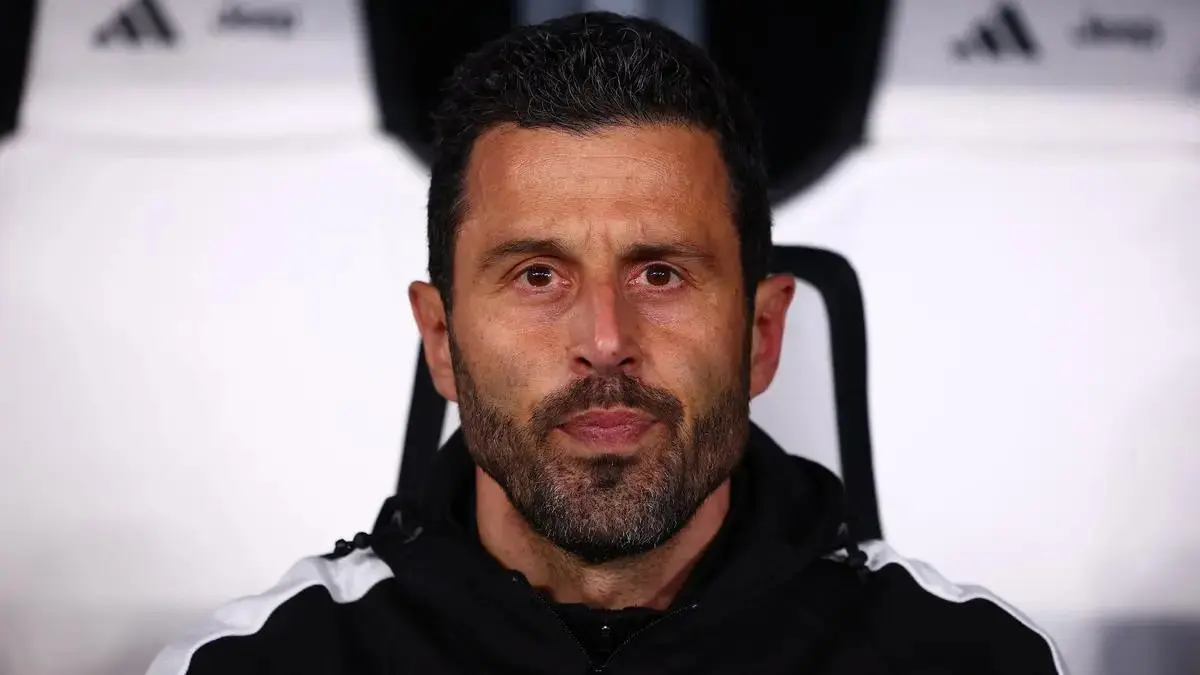
Fiorentina have dismissed manager Fabio Grosso after three consecutive defeats left the club bottom of Serie A.
The decision came less than three months after the former Italy defender took charge on June 8 under a two-year contract. No replacement had been confirmed in the initial club announcement.
The results that ended Grosso's spell
Fiorentina opened the league season with a 4-0 defeat at AS Roma, followed by a 3-0 home loss to promoted Frosinone. Saturday's 2-1 defeat at home to Torino completed the run.
Across those three matches, Fiorentina scored once and conceded nine goals. The numbers point to problems at both ends: the attack struggled to create enough danger, while the defence repeatedly allowed opponents to control matches.
Why the timing is unusual
Sacking a coach after three league games is an exceptionally short decision cycle, especially when that coach was hired during the summer.
The club's response suggests officials saw more than a temporary run of bad finishing. Heavy defeats, tactical instability and the risk of confidence collapsing may have convinced them that waiting carried a greater cost.
Grosso's record before Fiorentina
Grosso is best known globally for scoring the winning penalty in Italy's 2006 World Cup final shootout against France.
As a coach, he won promotion with Sassuolo in his first season and then guided them to a mid-table Serie A finish. His previous jobs included Bari, Hellas Verona, Brescia, Sion, Frosinone and Lyon.
Fiorentina hired him after parting with Paolo Vanoli, who had taken the club to 15th place following Stefano Pioli's dismissal during a 10-match winless run.
What Fiorentina need next
The immediate priority is organisation. A new coach has little time before Friday's trip to Venezia, so wholesale tactical change may be unrealistic.
Restoring defensive structure, clarifying midfield roles and improving chance creation will matter more than introducing a complicated new system immediately.
The club must also decide whether its next appointment is a short-term stabiliser or a coach trusted to continue beyond this season.

