What happened
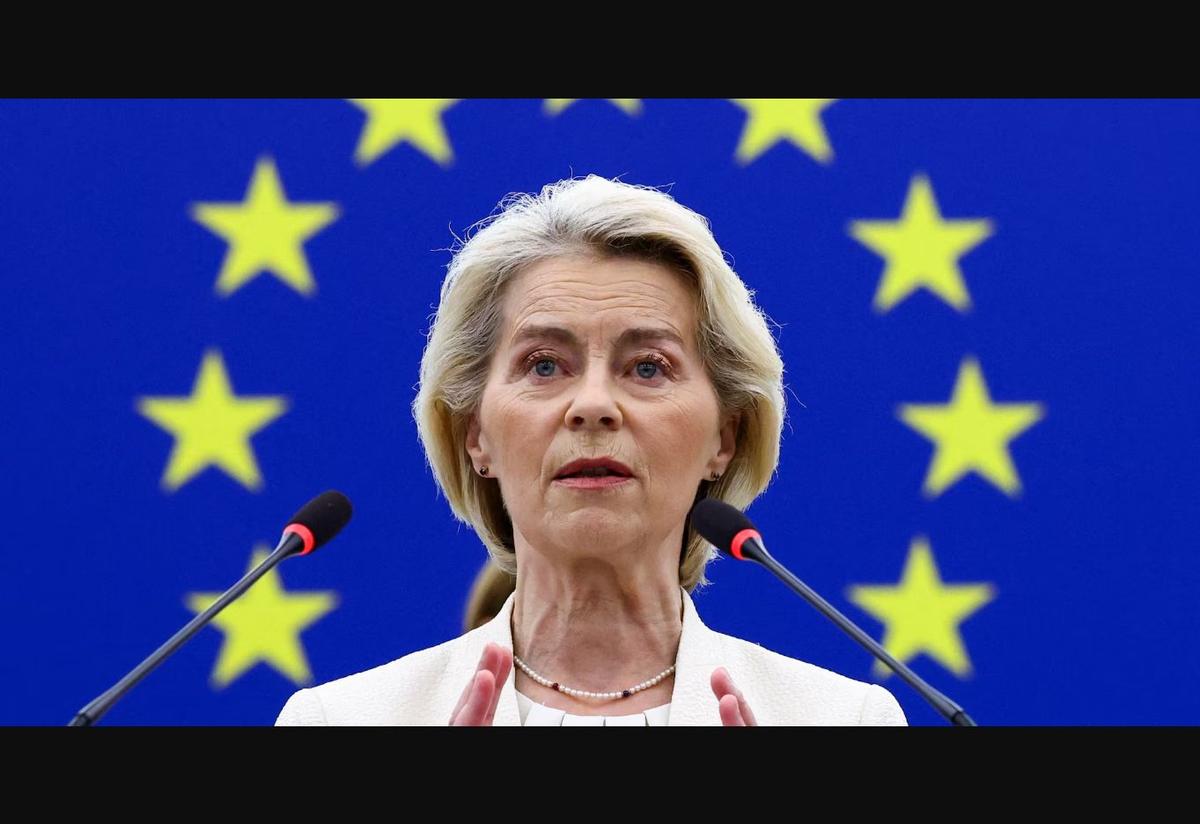
European Commission President Ursula von der Leyen backed closer Canada ties in her annual address. She proposed an associate EU membership framework for Canada. The discussion links trade, clean technology, raw materials and defence cooperation. EU leaders are discussing a closer Canada partnership described as associate membership. Here is what that phrase could mean and what it does not.
Why this is being watched
Associate membership is a political proposal, not automatic EU membership. Its value would depend on the legal text: market access, standards, research, defence cooperation and mobility can all be negotiated separately. Readers should therefore separate a public proposal from a signed treaty. The first reports establish the immediate development, but readers should be careful with social-media summaries that remove conditions, dates or the difference between a proposal and a completed decision. In a fast-moving news cycle, one official statement can materially change the picture.
What it means in practical terms
For readers following this story from outside the country or sport involved, the most useful approach is to identify the decision-maker, the timetable and the next verifiable document. That might be a federation release, a regulator's filing, a parliamentary vote, a company statement or a competition rulebook. These records normally clarify what has actually changed, who is affected and when it will take effect.
The wider context also matters. A headline event can influence commercial planning, team selection, trade flows, investment decisions or diplomatic relations, but the impact is rarely automatic. Different groups will experience the development differently, and early estimates should be treated as estimates until confirmed in primary reporting.
What happens next
Whether the European Commission and Canada publish a formal mandate, which policy areas are included and how member states respond. Those are the signals that will show whether today's headline develops into a longer-term shift or remains a short-lived news event. We will update this page when a material, independently verifiable development is published.
FAQ
Is this information confirmed?
The core development is based on the linked reporting and official context available at publication. Details described as expected, proposed or likely should not be read as final until the responsible organisation confirms them.
Why should global readers care?
The story connects to broader international audiences through sport, markets, technology, trade, entertainment or security. It can affect cross-border viewers, companies, fans and policy discussions beyond its immediate location.
Where can I find the latest update?
Use the source links below and the relevant official organisation for the most recent verified statement.
Context for readers
This update should be read as a snapshot, not a final outcome. The next official document or result can narrow, change or confirm the position described above. Good reporting separates what is known from what remains uncertain: a completed decision is different from a proposal, an early estimate is different from an audited figure, and a public statement is different from an enforceable rule. We have therefore linked the underlying report and will revise the page only when a material new fact is verified. That approach helps readers follow the development without treating a fast headline as a permanent conclusion.